Li Xingshu, Peng Xiao-Hui, Zheng Bing-De, Tang Jilin, Zhao Yuanyuan, Zheng Bi-Yuan, Ke Mei-Rong, Huang Jian-Dong
College of Chemistry , State Key Laboratory of Photocatalysis on Energy and Environment , Fujian Provincial Key Laboratory of Cancer Metastasis Chemoprevention and Chemotherapy , Fuzhou University , Fuzhou 350108 , China . Email:
Chem Sci. 2018 Jan 8;9(8):2098-2104. doi: 10.1039/c7sc05115h. eCollection 2018 Feb 28.
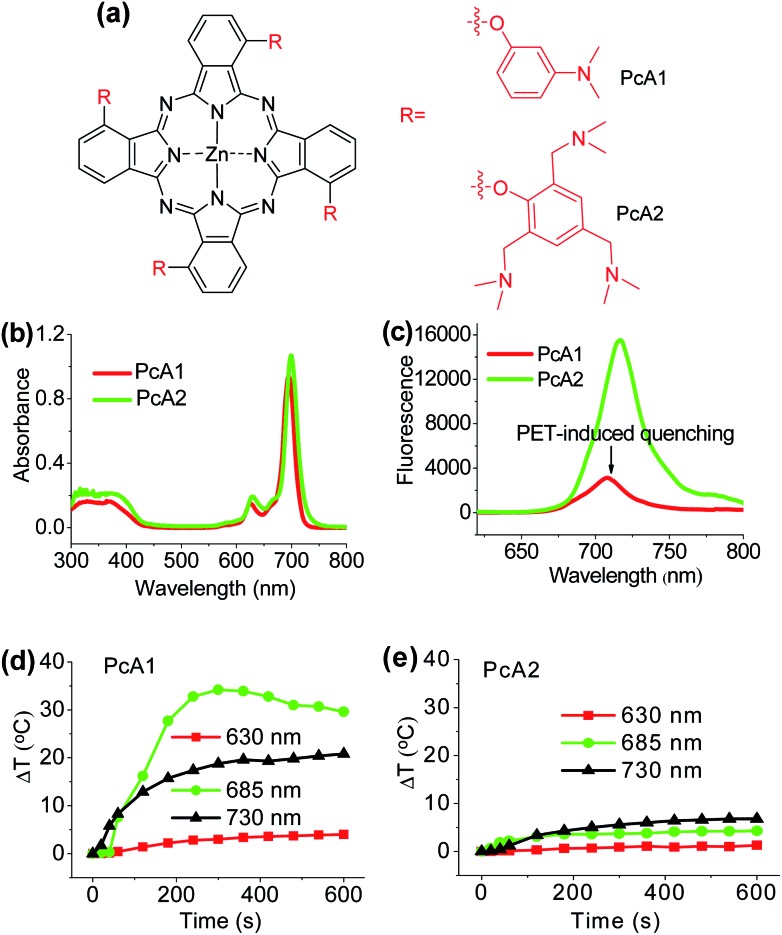
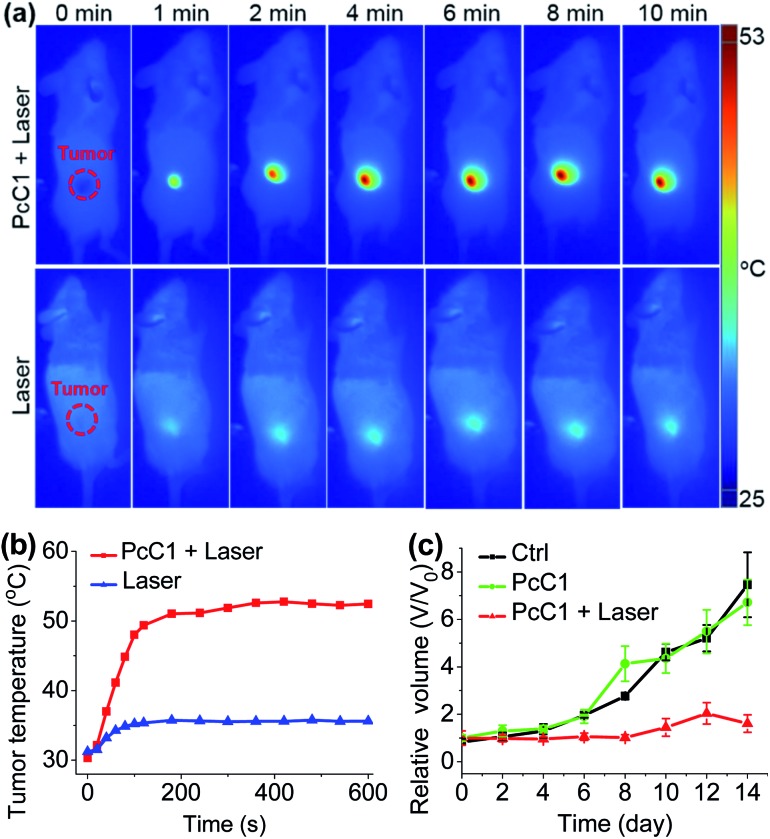
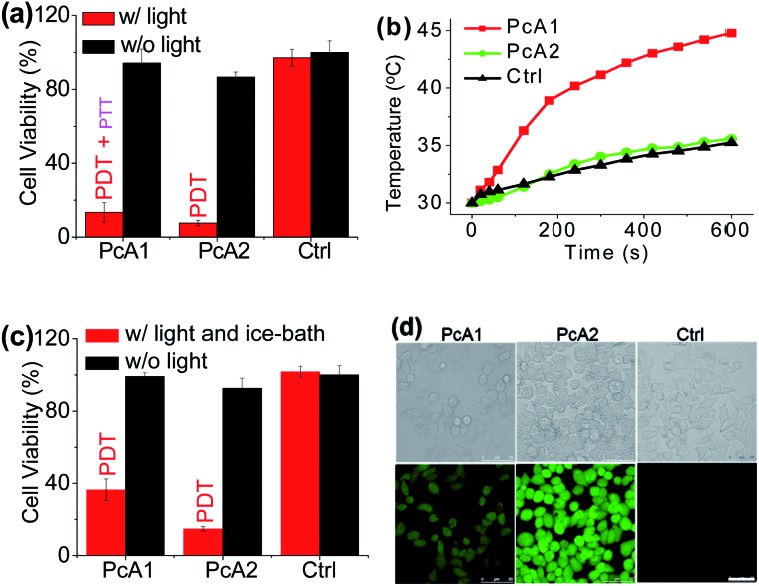
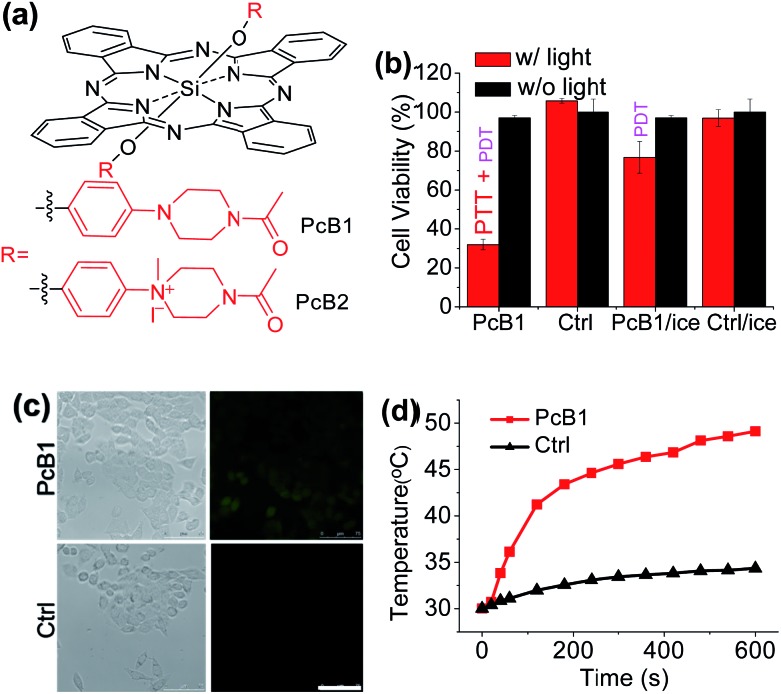
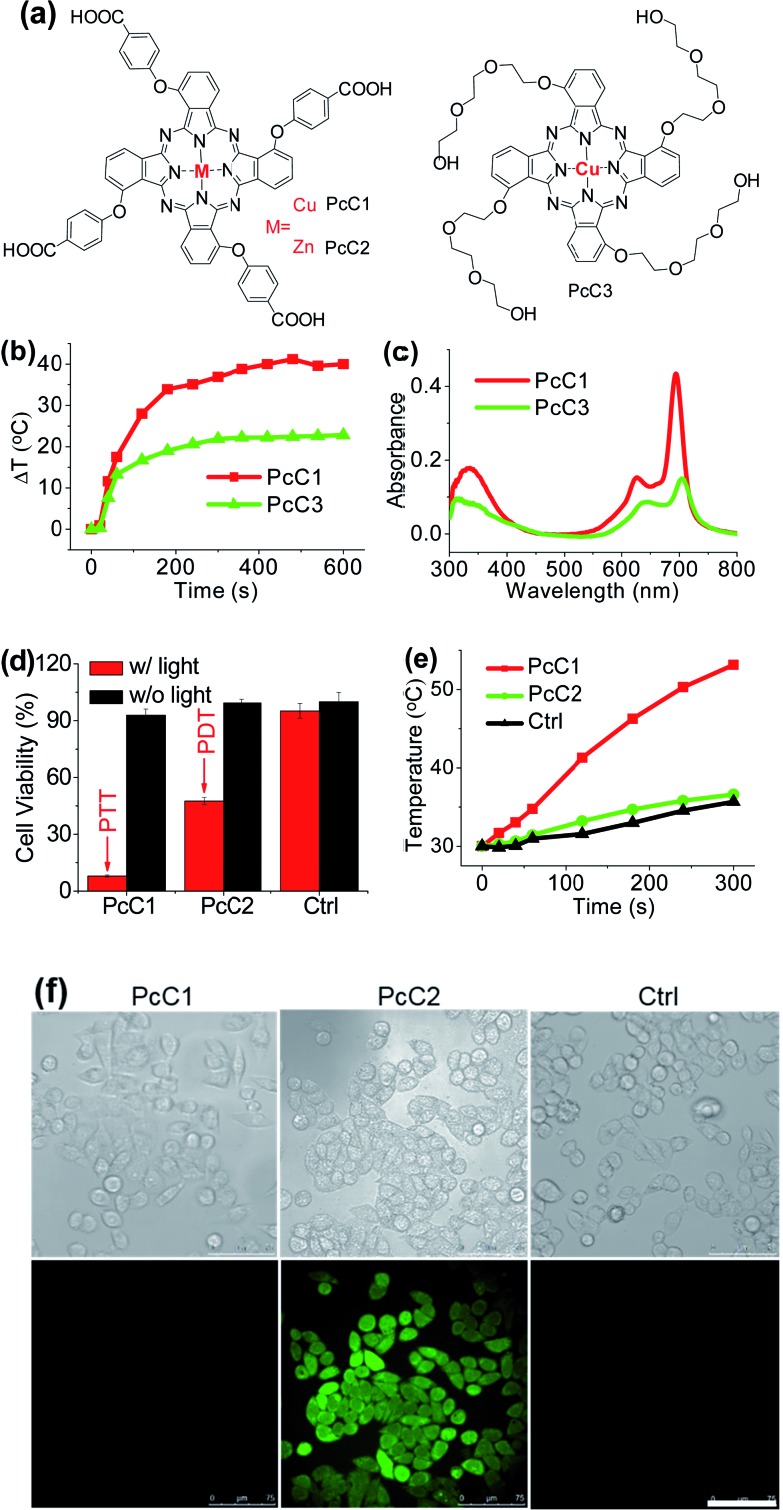
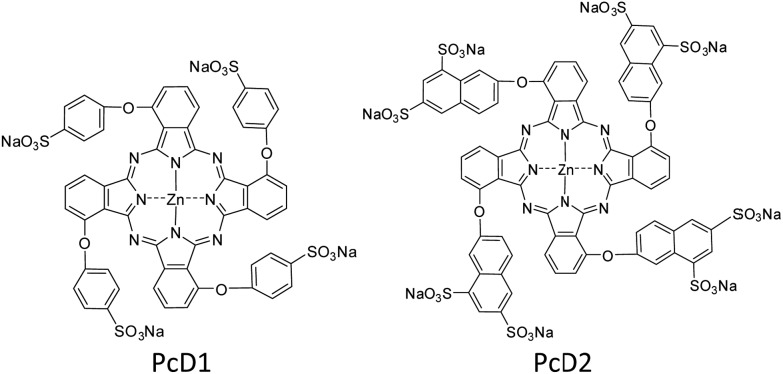
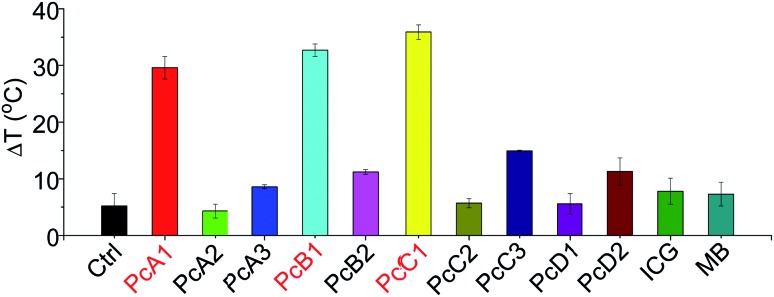
Phthalocyanine (Pc) molecules exhibit high extinction coefficients in near-infrared region, rendering them well-suited for phototherapies, but most of their applications are limited to the field of photodynamic therapy (PDT). Herein, for the first time, we illustrate that Pc molecules can be endowed with excellent photothermal properties by means of structural regulation rather than formation of aggregates. Three representative Pc derivatives show efficient activities of photothermal therapy (PTT) against human hepatocellular carcinoma cells. Among them, copper phthalocyanine (PcC1) exhibits a high PTT efficacy against mice bearing S180 tumors. The unique investigation in this article should light up a perspective of Pc's new applications for PTT, which enable to make up the inherent defects of PDT.
酞菁(Pc)分子在近红外区域表现出高消光系数,使其非常适合光疗,但它们的大多数应用仅限于光动力疗法(PDT)领域。在此,我们首次证明,通过结构调控而非形成聚集体的方式,可以赋予Pc分子优异的光热性能。三种代表性的Pc衍生物对人肝癌细胞显示出高效的光热疗法(PTT)活性。其中,铜酞菁(PcC1)对携带S180肿瘤的小鼠表现出高PTT疗效。本文独特的研究应能为Pc在PTT中的新应用开启一个前景,这有助于弥补PDT的固有缺陷。