Department of Oral and Maxillofacial Surgery, National Hospital Organization, Kyoto Medical Center, 1-1 Mukaihata-cho, Fukakusa, Fushimi-ku, Kyoto 612-8555, Japan.
Toxins (Basel). 2018 Apr 25;10(5):174. doi: 10.3390/toxins10050174.
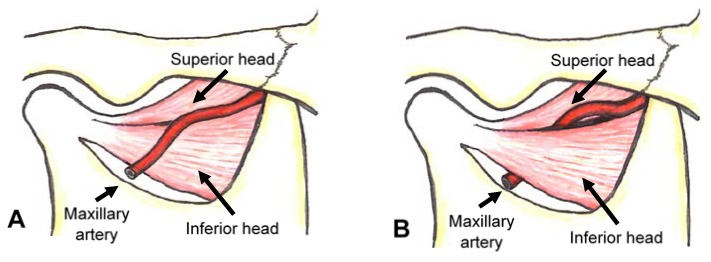
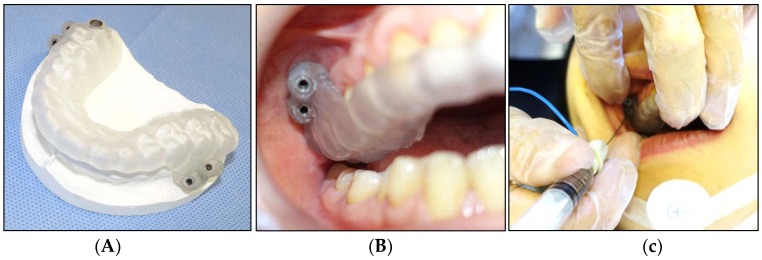
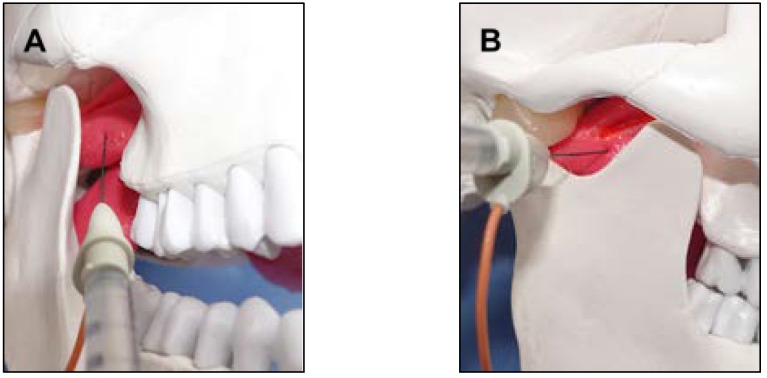
The aim of this study was to compare treatment outcomes following intramuscular injection of botulinum neurotoxin (BoNT) in patients with recurrent temporomandibular joint dislocation, with and without muscle hyperactivity due to neurological diseases. Thirty-two patients (19 women and 13 men, mean age: 62.3 years) with recurrent temporomandibular joint dislocation were divided into two groups: neurogenic (8 women and 12 men) and habitual (11 women and 1 man). The neurogenic group included patients having neurological disorders, such as Parkinson’s disease or oromandibular dystonia, that are accompanied by muscle hyperactivity. BoNT was administered via intraoral injection to the inferior head of the lateral pterygoid muscle. In total, BoNT injection was administered 102 times (mean 3.2 times/patient). The mean follow-up duration was 29.5 months. The neurogenic group was significantly ( < 0.001) younger (47.3 years) than the habitual group (84.8 years) and required significantly ( < 0.01) more injections (4.1 versus 1.7 times) to achieve a positive outcome. No significant immediate or delayed complications occurred. Thus, intramuscular injection of BoNT into the lateral pterygoid muscle is an effective and safe treatment for habitual temporomandibular joint dislocation. More injections are required in cases of neurogenic temporomandibular joint dislocation than in those of habitual dislocation without muscle hyperactivity.
本研究旨在比较因神经疾病导致肌肉活动过度和无肌肉活动过度的复发性颞下颌关节脱位患者接受肌肉内注射肉毒神经毒素(BoNT)的治疗效果。32 名复发性颞下颌关节脱位患者(19 名女性和 13 名男性,平均年龄:62.3 岁)分为两组:神经源性(8 名女性和 12 名男性)和习惯性(11 名女性和 1 名男性)。神经源性组包括患有帕金森病或口颌肌张力障碍等神经疾病的患者,这些疾病伴有肌肉活动过度。BoNT 通过口腔内注射到翼外肌的下头部。总共进行了 102 次 BoNT 注射(平均 3.2 次/患者)。平均随访时间为 29.5 个月。神经源性组明显(<0.001)比习惯性组(84.8 岁)年轻(47.3 岁),需要(<0.01)更多次注射(4.1 次比 1.7 次)才能获得阳性结果。没有出现明显的即刻或延迟并发症。因此,翼外肌内注射 BoNT 是治疗习惯性颞下颌关节脱位的有效且安全的方法。与无肌肉活动过度的习惯性脱位相比,因神经疾病导致肌肉活动过度的复发性颞下颌关节脱位需要更多的注射次数。