The Center for Biomedical and Public Health Informatics, Faculty of Tropical Medicine, Mahidol University, Bangkok, Thailand.
Department of Tropical Hygiene, Faculty of Tropical Medicine, Mahidol University, Bangkok, Thailand.
PLoS Negl Trop Dis. 2018 Apr 25;12(4):e0006425. doi: 10.1371/journal.pntd.0006425. eCollection 2018 Apr.
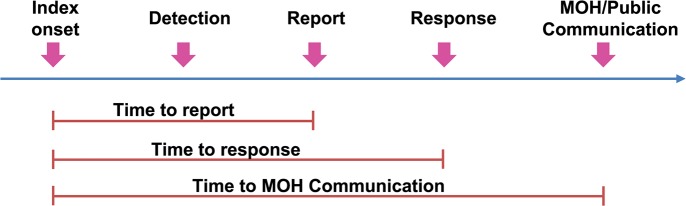
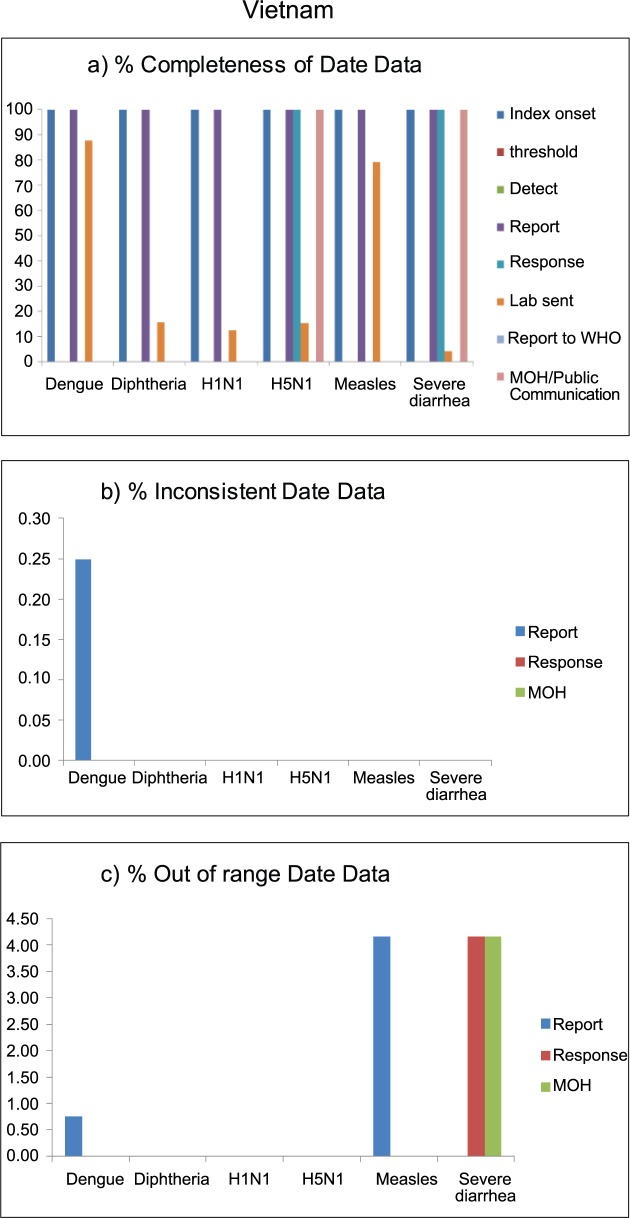
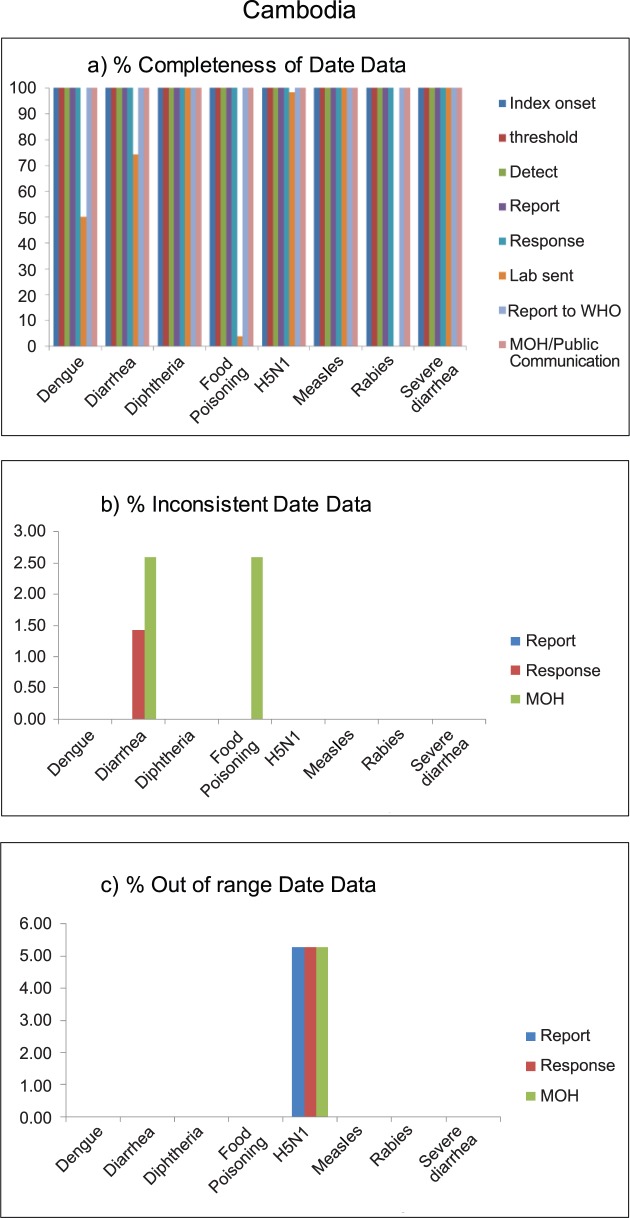
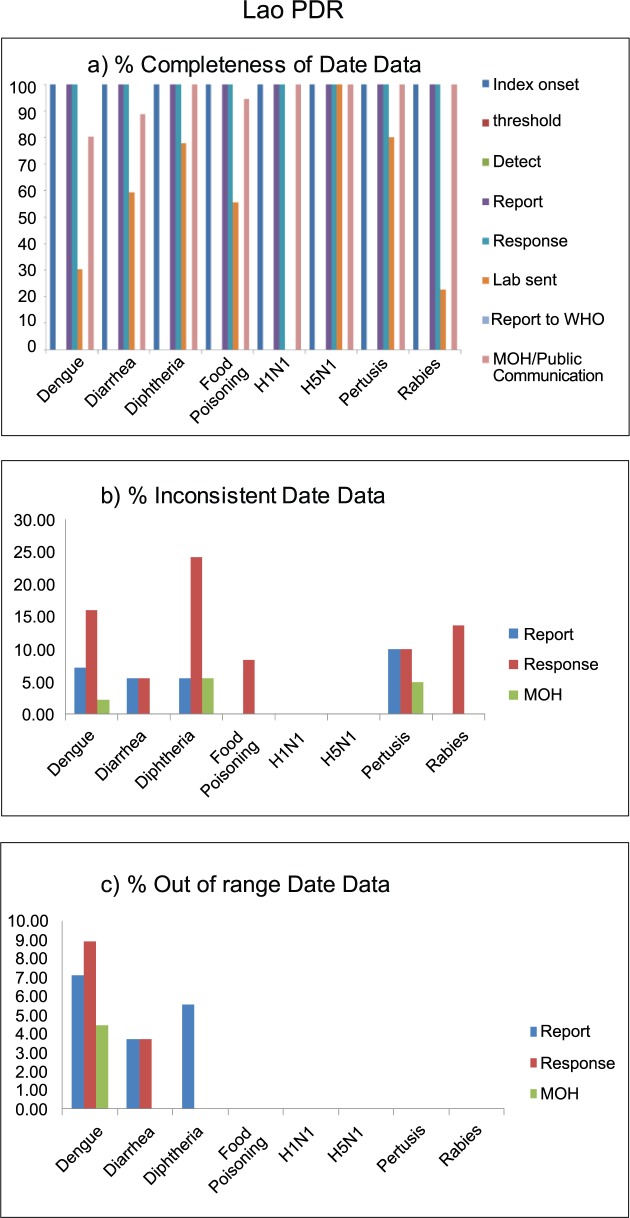
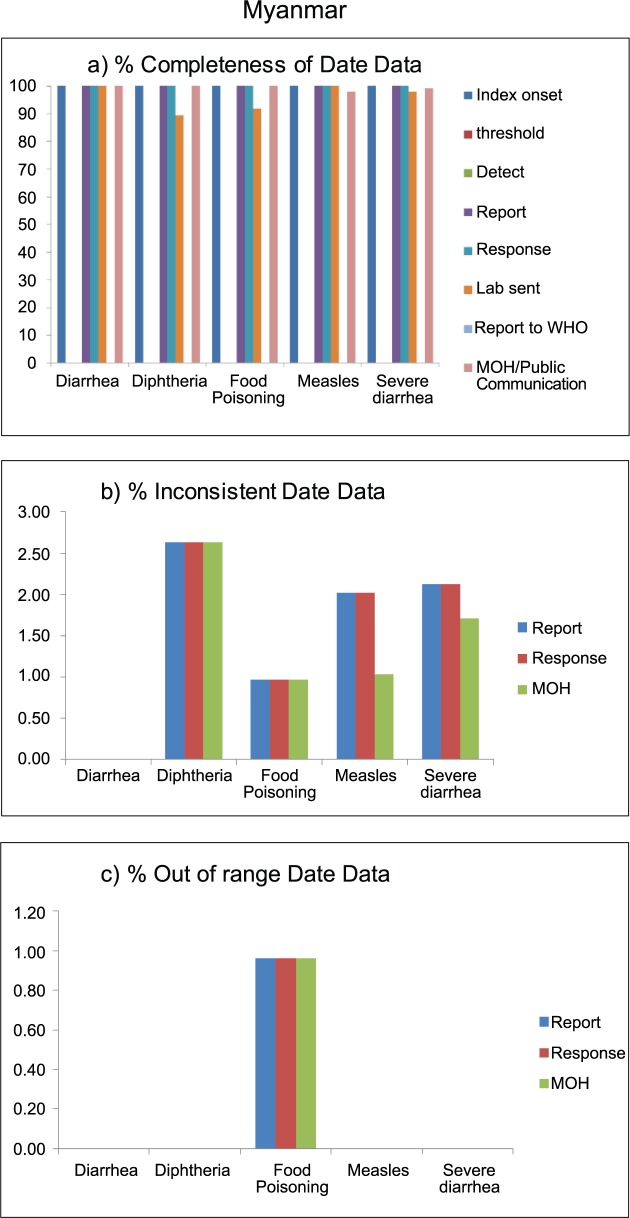
Cross-border disease transmission is a key challenge for prevention and control of outbreaks. Variation in surveillance structure and national guidelines used in different countries can affect their data quality and the timeliness of outbreak reports. This study aimed to evaluate timeliness and data quality of national outbreak reporting for four countries in the Mekong Basin Disease Surveillance network (MBDS). Data on disease outbreaks occurring from 2010 to 2015 were obtained from the national disease surveillance reports of Cambodia, Lao PDR, Myanmar, and Vietnam. Data included total cases, geographical information, and dates at different timeline milestones in the outbreak detection process. Nine diseases or syndromes with public health importance were selected for the analysis including: dengue, food poisoning & diarrhea, severe diarrhea, diphtheria, measles, H5N1 influenza, H1N1 influenza, rabies, and pertussis. Overall, 2,087 outbreaks were reported from the four countries. The number of outbreaks and number of cases per outbreak varied across countries and diseases, depending in part on the outbreak definition used in each country. Dates on index onset, report, and response were >95% complete in all countries, while laboratory confirmation dates were 10%-100% incomplete in most countries. Inconsistent and out of range date data were observed in 1%-5% of records. The overall timeliness of outbreak report, response, and public communication was within 1-15 days, depending on countries and diseases. Diarrhea and severe diarrhea outbreaks showed the most rapid time to report and response, whereas diseases such as rabies, pertussis and diphtheria required a longer time to report and respond. The hierarchical structure of the reporting system, data collection method, and country's resources could affect the data quality and timeliness of the national outbreak reporting system. Differences in data quality and timeliness of outbreak reporting system among member countries should be considered when planning data sharing strategies within a regional network.
跨境疾病传播是暴发预防和控制的一个关键挑战。不同国家在监测结构和国家指南方面的差异可能会影响其数据质量和暴发报告的及时性。本研究旨在评估湄公河流域疾病监测网络(MBDS)四个国家的国家暴发报告的及时性和数据质量。从柬埔寨、老挝人民民主共和国、缅甸和越南的国家疾病监测报告中获取了 2010 年至 2015 年发生的疾病暴发数据。数据包括总病例数、地理位置信息以及暴发检测过程中不同时间线上的日期。选择了 9 种具有公共卫生重要性的疾病或综合征进行分析,包括登革热、食源性疾病和腹泻、严重腹泻、白喉、麻疹、H5N1 流感、H1N1 流感、狂犬病和百日咳。总体而言,四个国家共报告了 2087 起暴发。暴发数量和每起暴发的病例数因国家和疾病而异,部分原因是每个国家使用的暴发定义不同。所有国家的索引发病日期、报告日期和响应日期的完整率均>95%,而大多数国家的实验室确认日期完整率为 10%-100%。1%-5%的记录中观察到日期数据不一致和超出范围。国家和疾病的暴发报告、响应和公共传播的总体及时性在 1-15 天之间。腹泻和严重腹泻暴发的报告和响应速度最快,而狂犬病、百日咳和白喉等疾病的报告和响应速度较慢。报告系统的层次结构、数据收集方法和国家资源可能会影响国家暴发报告系统的数据质量和及时性。在规划区域网络内的数据共享策略时,应考虑成员国之间暴发报告系统的数据质量和及时性差异。