Department of Chemistry , University of Wisconsin-Madison , 1101 University Avenue , Madison , Wisconsin 53706 , United States.
Chem Rev. 2018 May 9;118(9):4834-4885. doi: 10.1021/acs.chemrev.7b00763. Epub 2018 Apr 30.
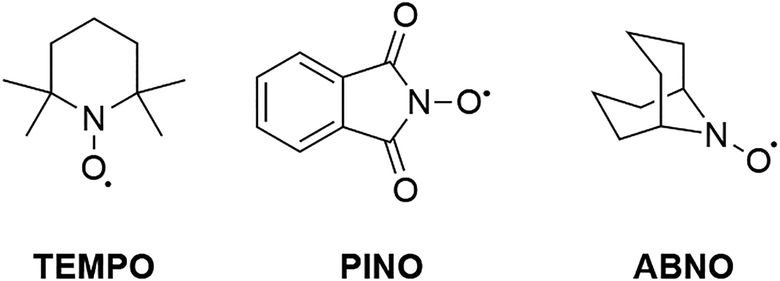
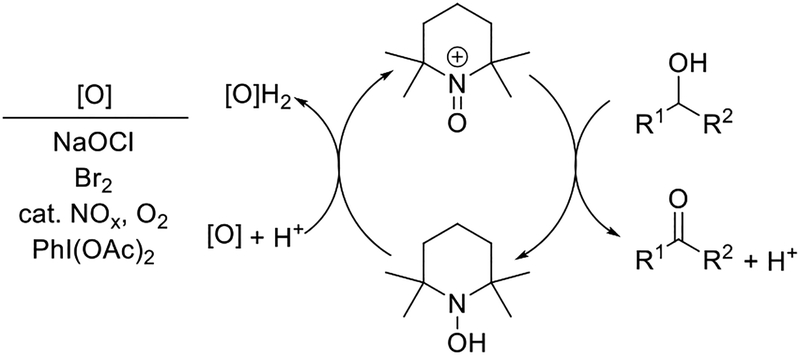
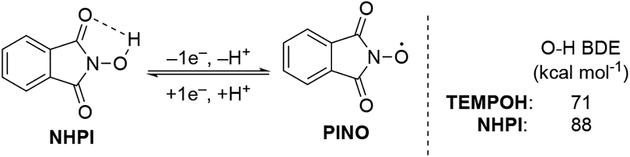
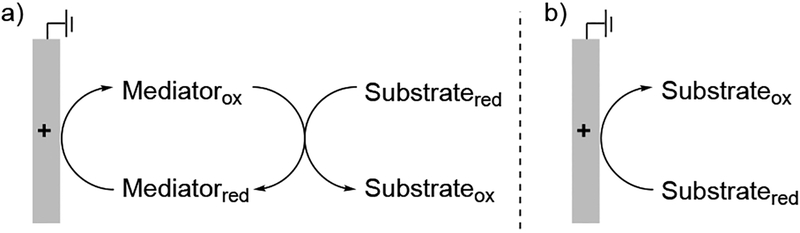
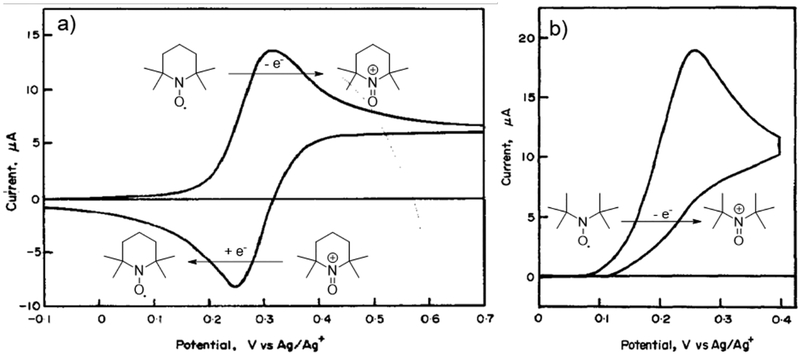
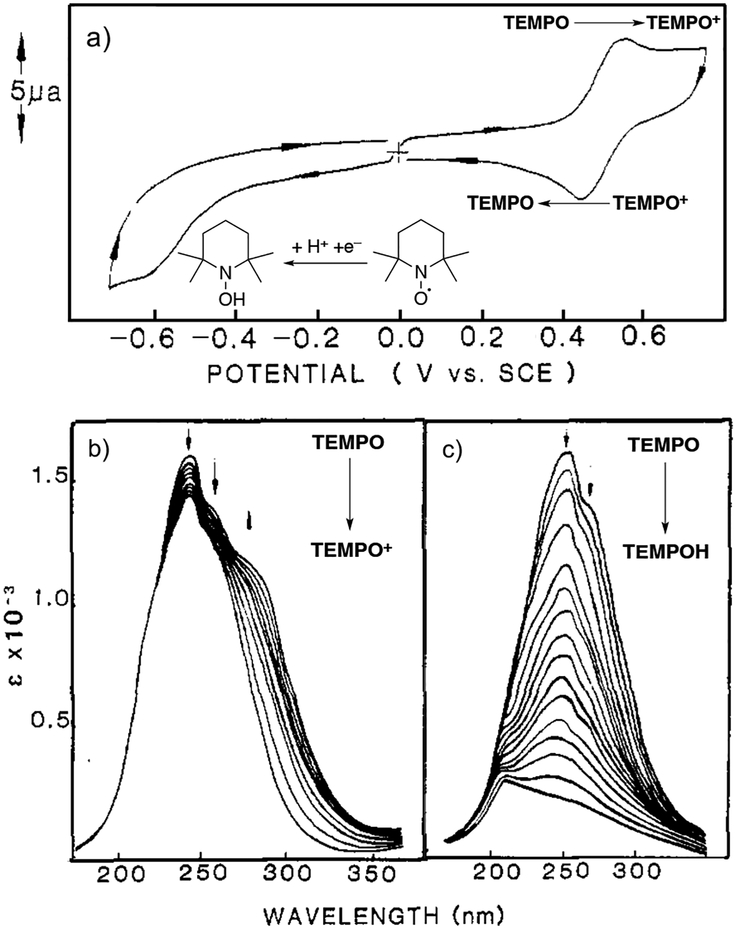
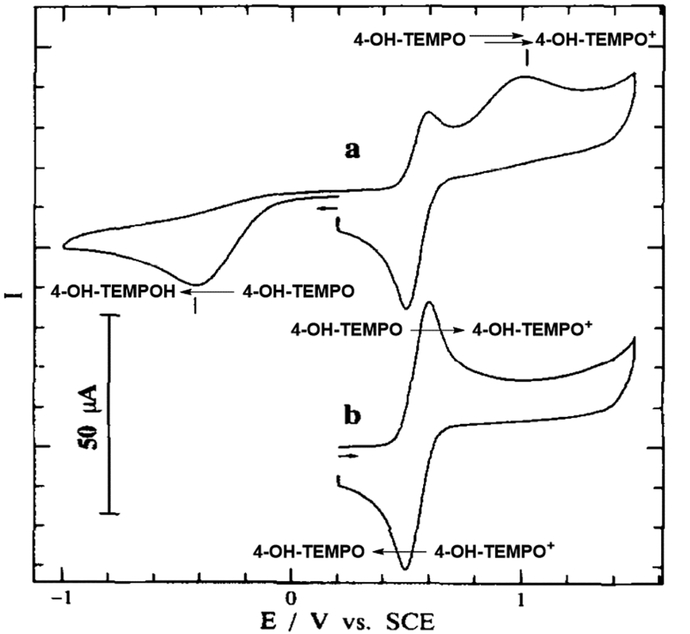
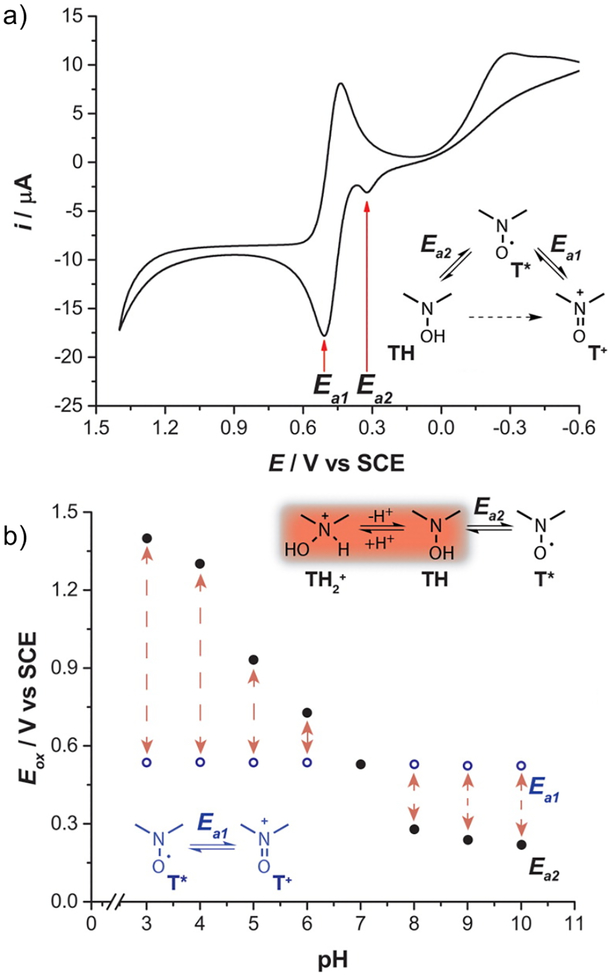
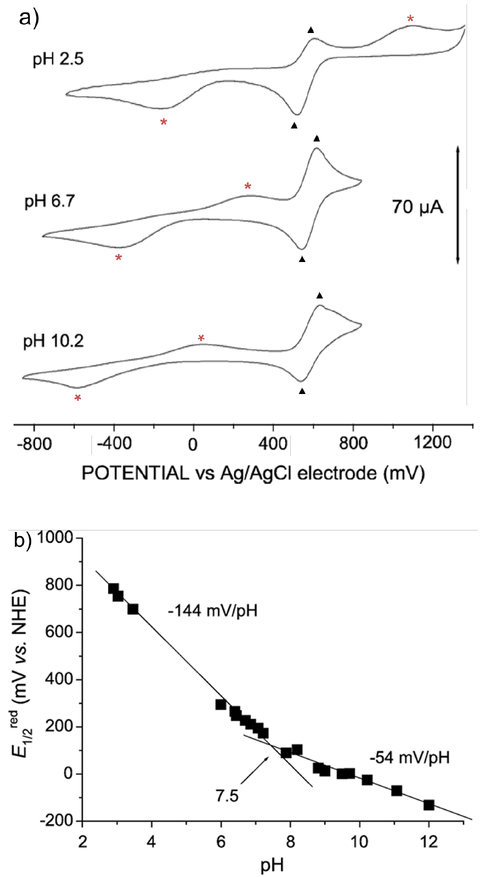
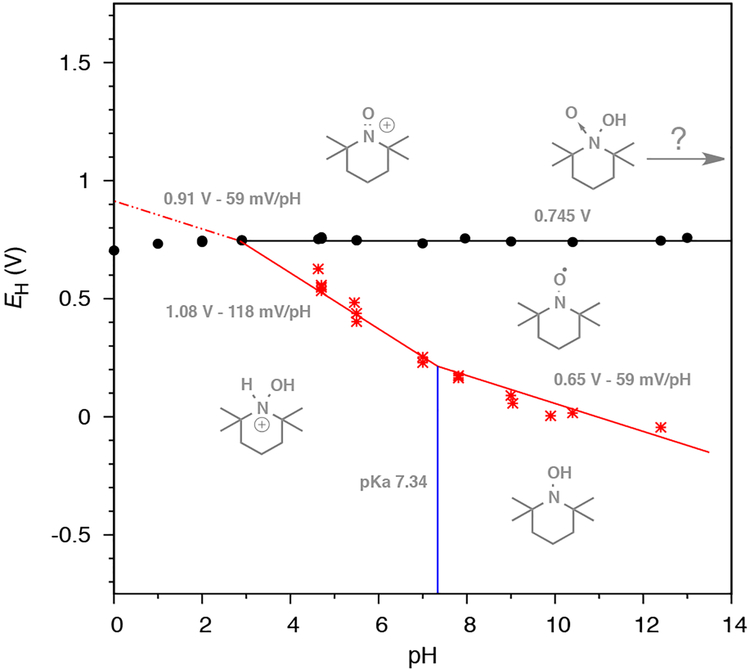
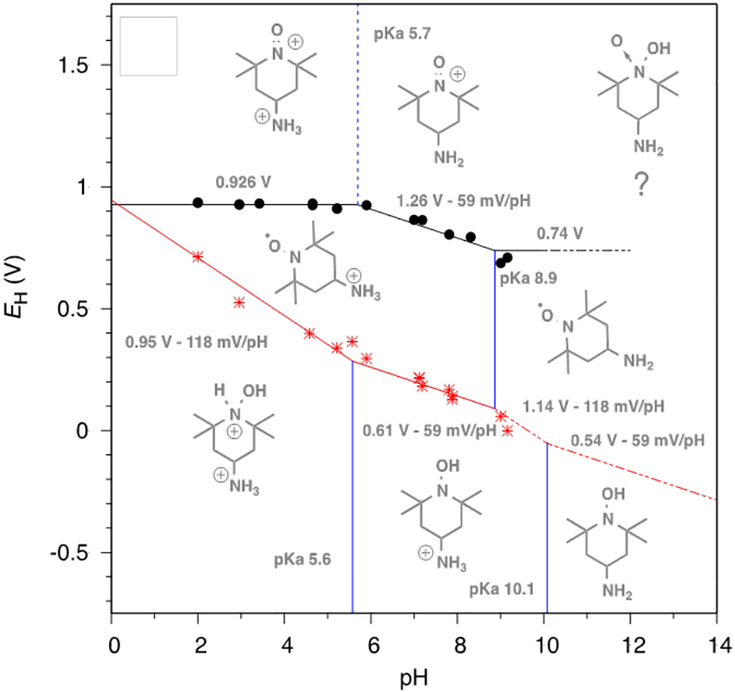
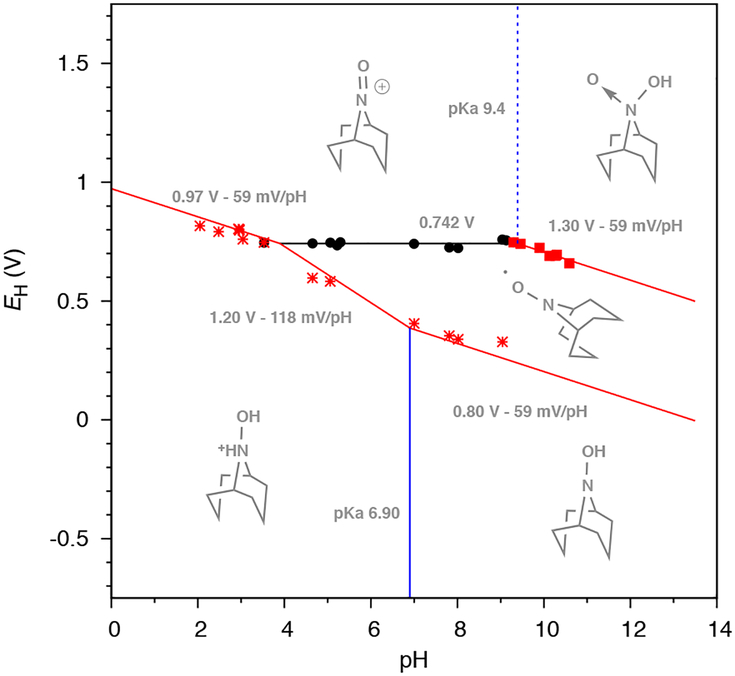
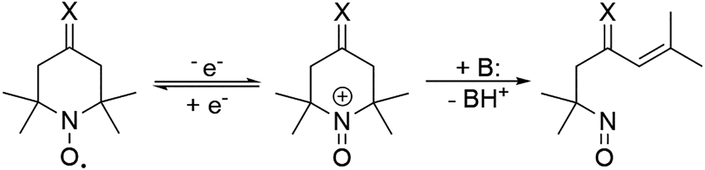
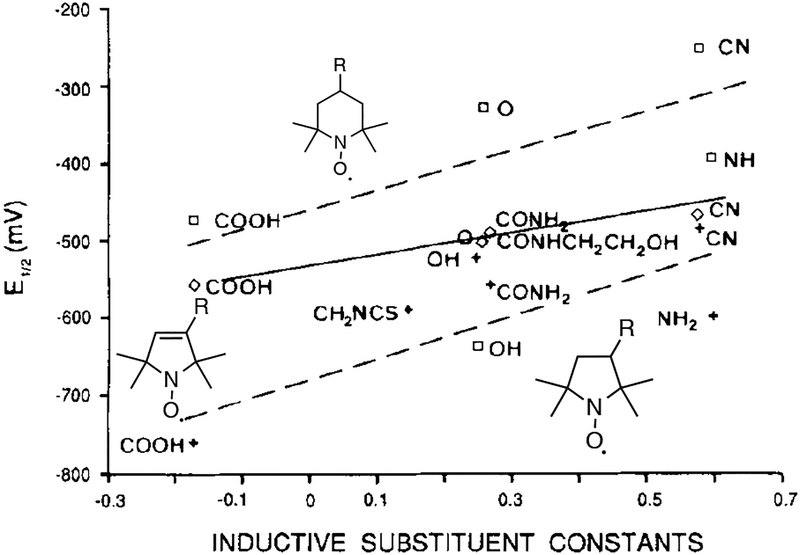
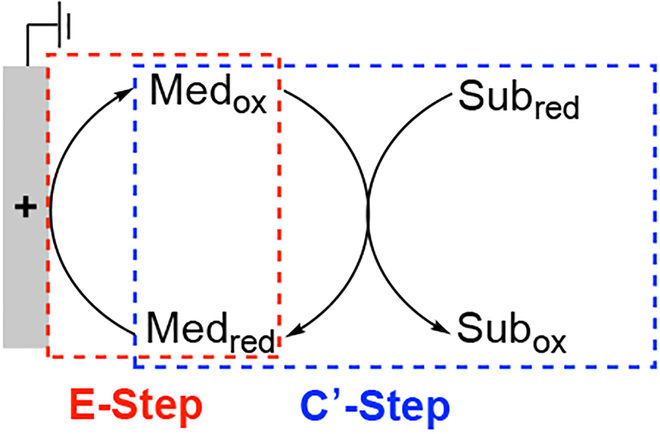
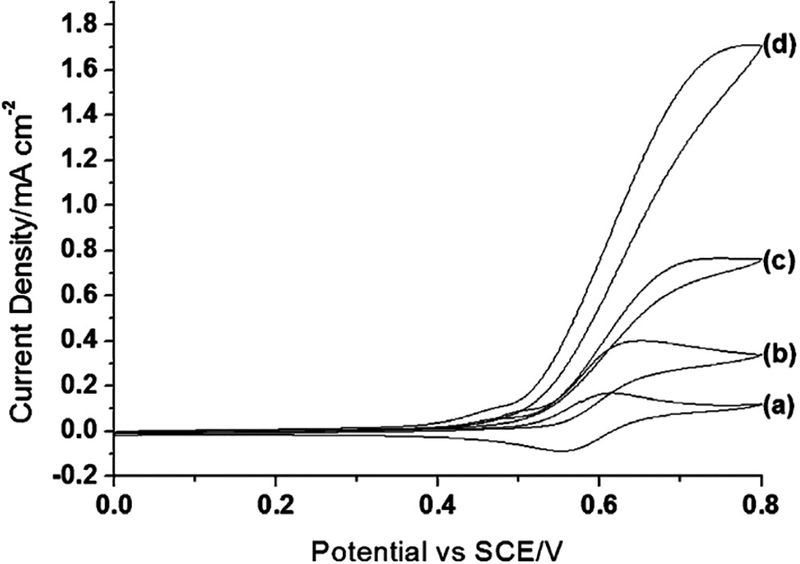
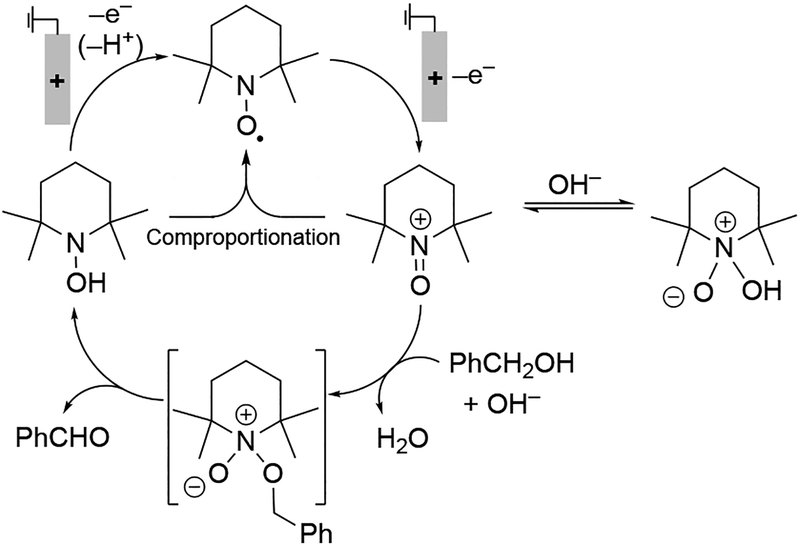
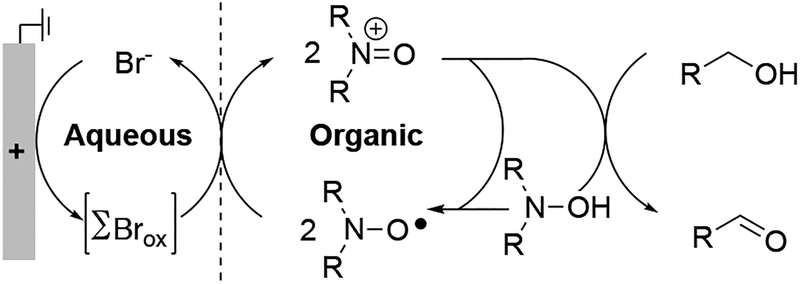
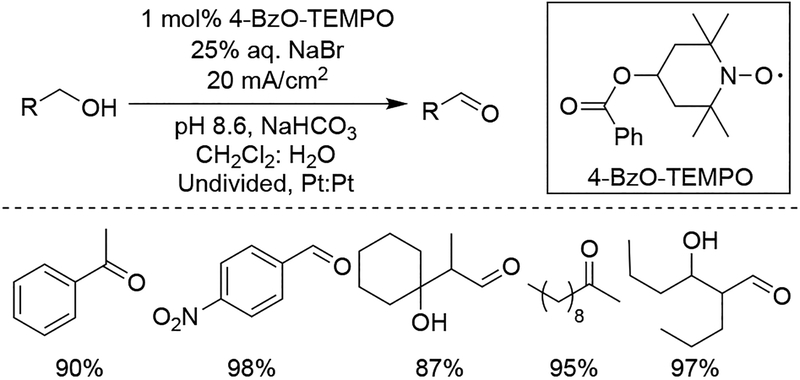
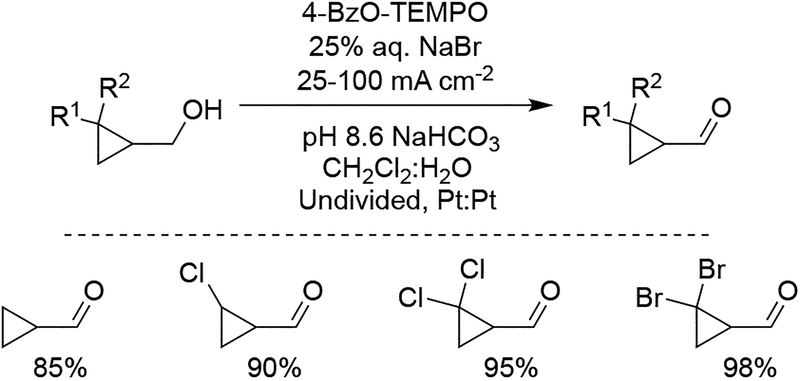
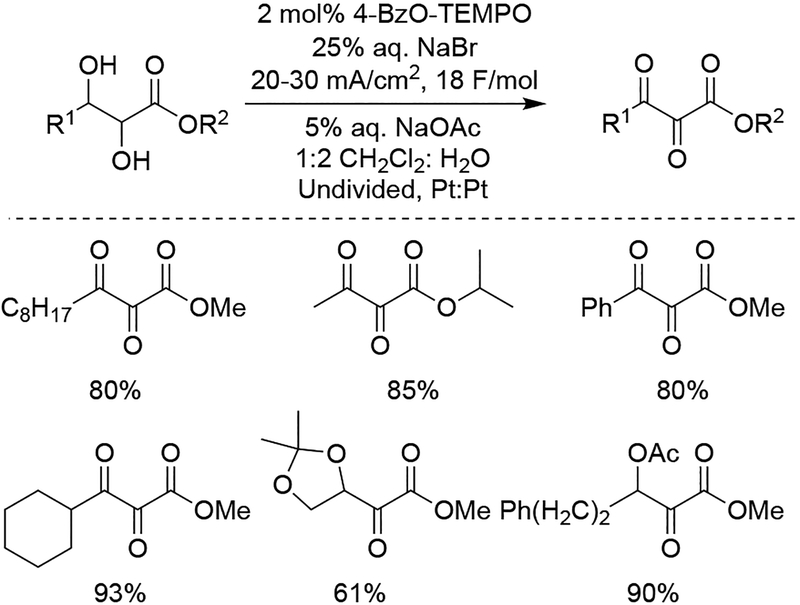
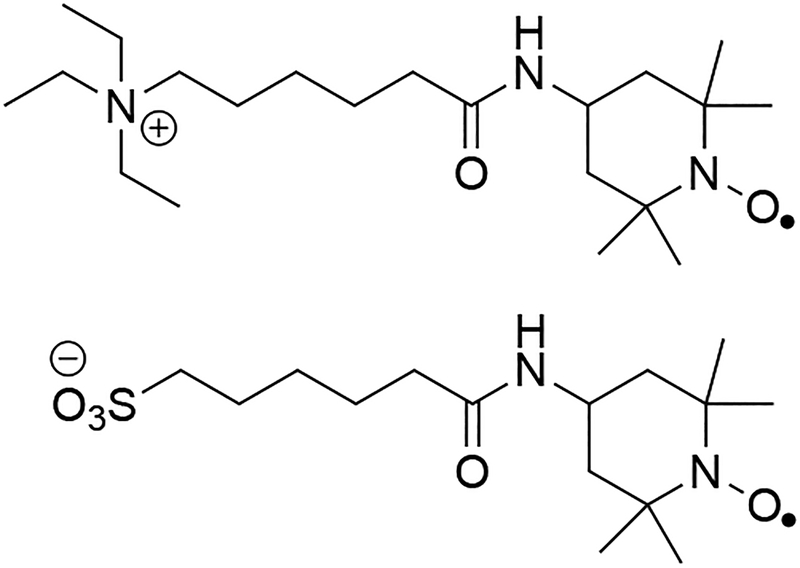
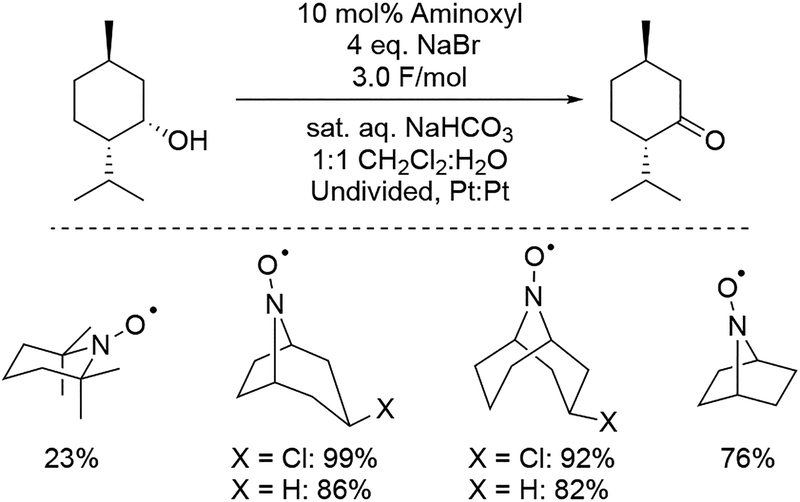
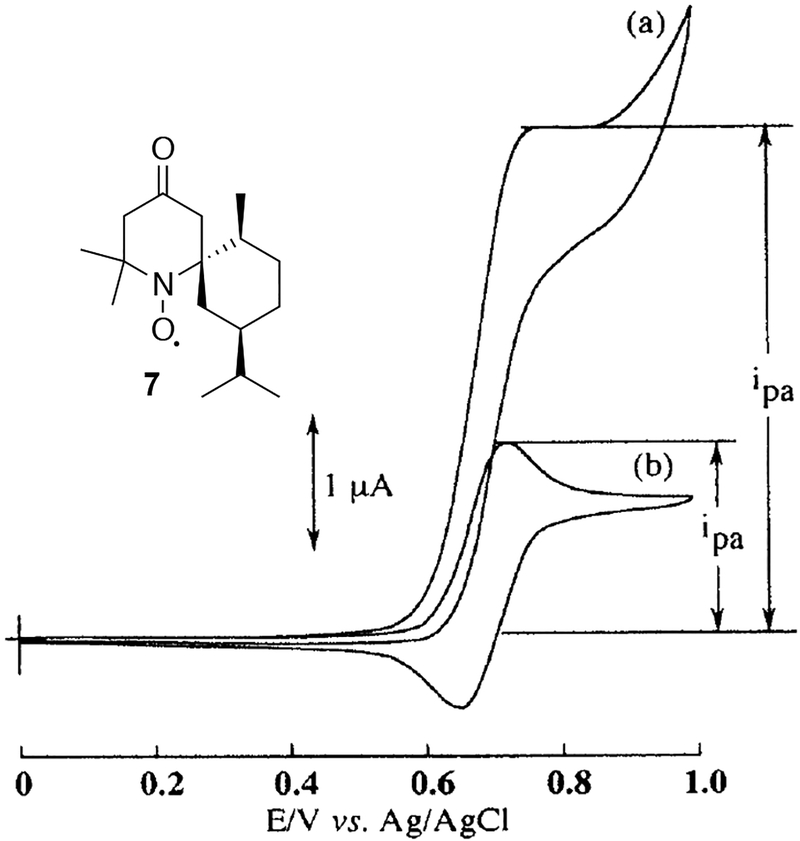
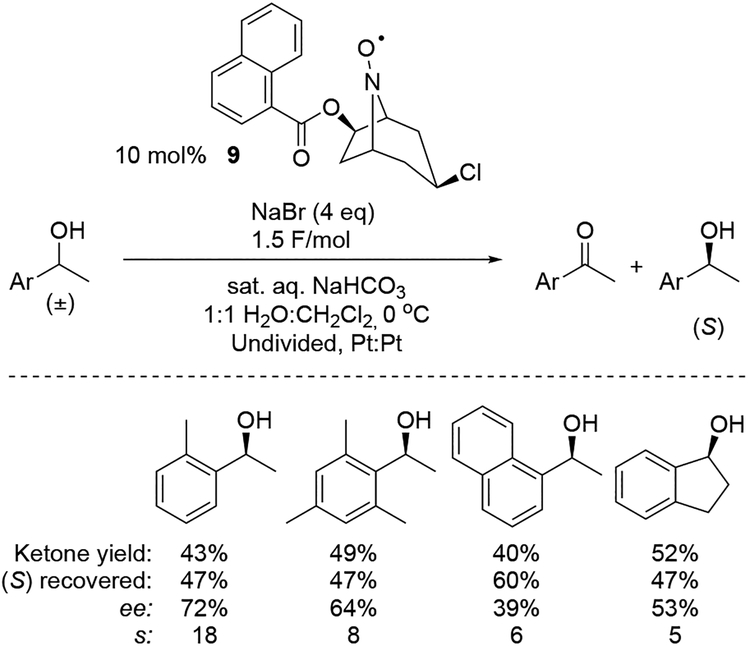
N-Oxyl compounds represent a diverse group of reagents that find widespread use as catalysts for the selective oxidation of organic molecules in both laboratory and industrial applications. While turnover of N-oxyl catalysts in oxidation reactions may be accomplished with a variety of stoichiometric oxidants, N-oxyl reagents have also been extensively used as catalysts under electrochemical conditions in the absence of chemical oxidants. Several classes of N-oxyl compounds undergo facile redox reactions at electrode surfaces, enabling them to mediate a wide range of electrosynthetic reactions. Electrochemical studies also provide insights into the structural properties and mechanisms of chemical and electrochemical catalysis by N-oxyl compounds. This review provides a comprehensive survey of the electrochemical properties and electrocatalytic applications of aminoxyls, imidoxyls, and related reagents, of which the two prototypical and widely used examples are 2,2,6,6-tetramethylpiperidine N-oxyl (TEMPO) and phthalimide N-oxyl (PINO).
氮氧自由基化合物是一类广泛应用于有机分子选择性氧化的试剂,无论是在实验室还是工业应用中,都有广泛的用途。虽然在氧化反应中,氮氧自由基催化剂的转化率可以通过各种化学计量氧化剂来完成,但氮氧自由基试剂也已被广泛用作电化学条件下无化学氧化剂存在时的催化剂。几类氮氧自由基化合物在电极表面进行容易的氧化还原反应,使它们能够介导广泛的电合成反应。电化学研究也为氮氧自由基化合物的化学和电化学催化的结构特性和机制提供了深入的了解。本综述全面介绍了氨基氧自由基、亚氨氧自由基和相关试剂的电化学性质和电催化应用,其中两个典型且广泛使用的例子是 2,2,6,6-四甲基哌啶氮氧自由基(TEMPO)和邻苯二甲酰亚胺氮氧自由基(PINO)。