Cellular and Molecular Biomechanics Laboratory, Department of Bioengineering, Imperial College London, London, SW7 2AZ, UK.
Sci Rep. 2018 May 3;8(1):6971. doi: 10.1038/s41598-018-25202-4.
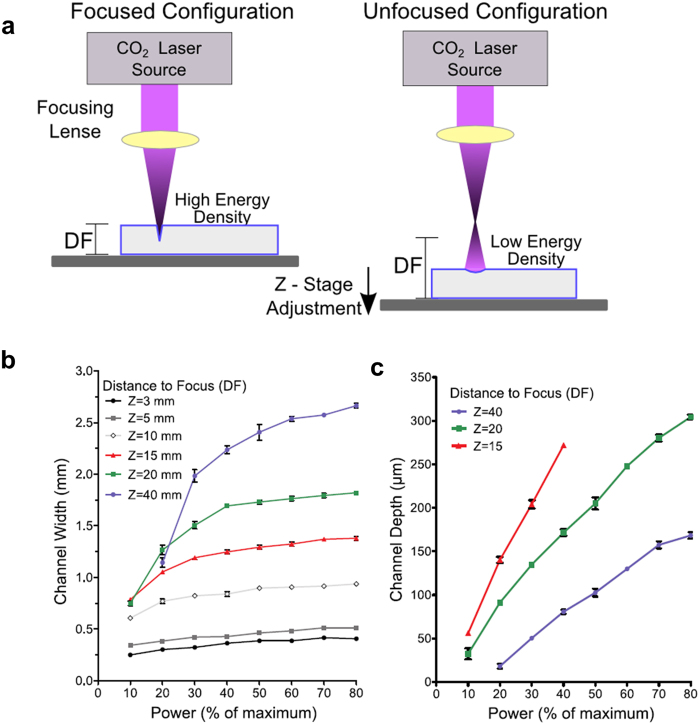
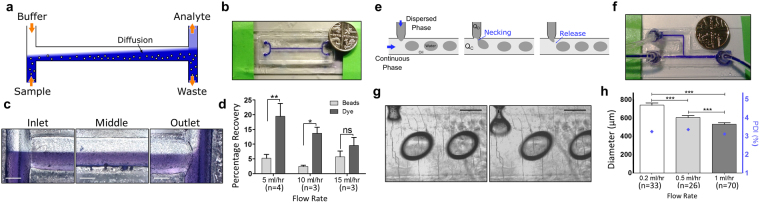
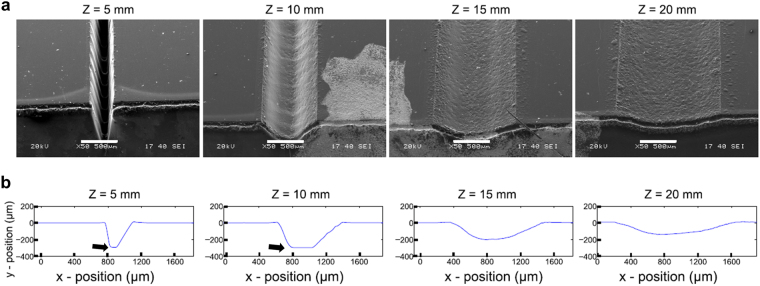
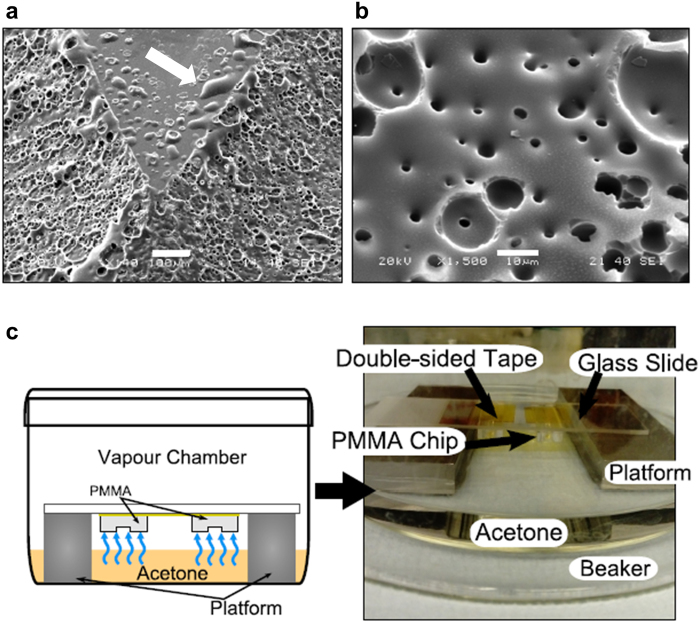
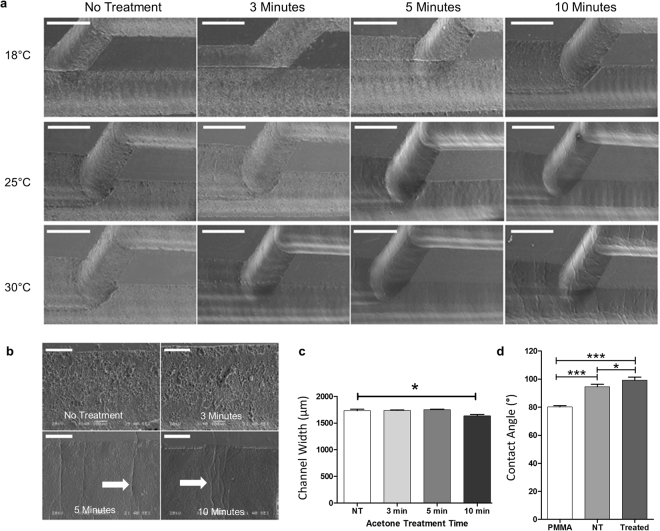
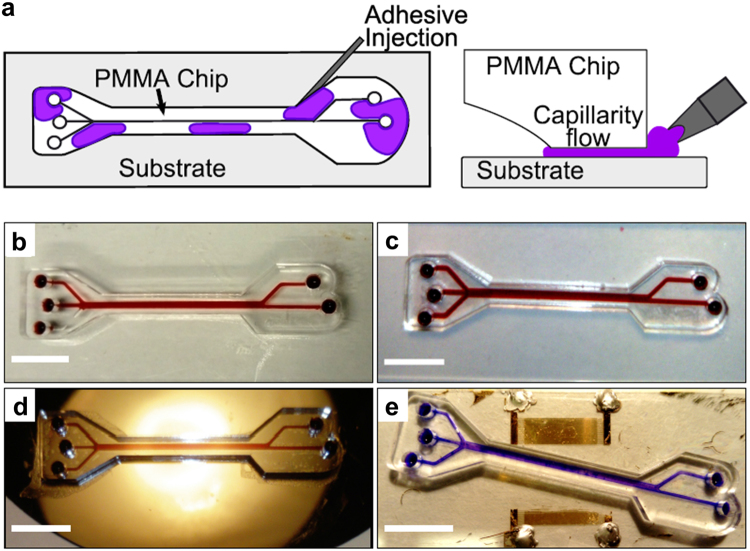
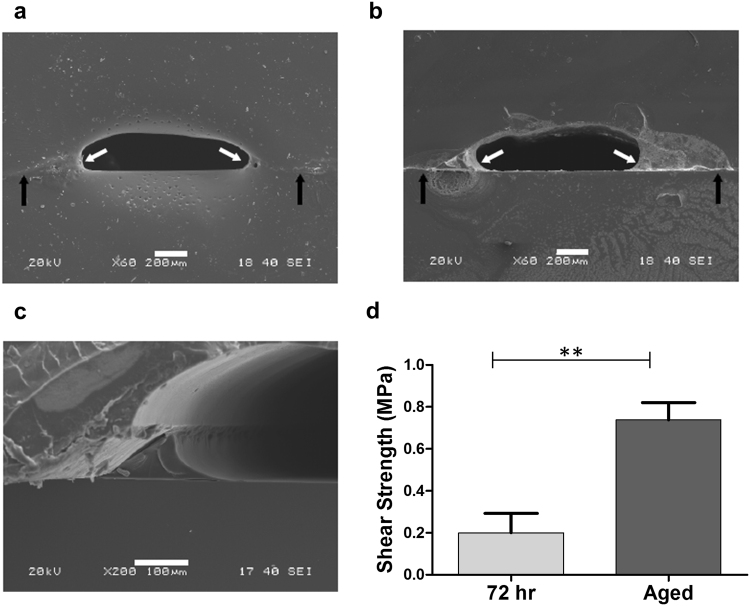
The difficulty in translating conventional microfluidics from laboratory prototypes to commercial products has shifted research efforts towards thermoplastic materials for their higher translational potential and amenability to industrial manufacturing. Here, we present an accessible method to fabricate and assemble polymethyl methacrylate (PMMA) microfluidic devices in a "mask-less" and cost-effective manner that can be applied to manufacture a wide range of designs due to its versatility. Laser micromachining offers high flexibility in channel dimensions and morphology by controlling the laser properties, while our two-step surface treatment based on exposure to acetone vapour and low-temperature annealing enables improvement of the surface quality without deformation of the device. Finally, we demonstrate a capillarity-driven adhesive delivery bonding method that can produce an effective seal between PMMA devices and a variety of substrates, including glass, silicon and LiNbO. We illustrate the potential of this technique with two microfluidic devices, an H-filter and a droplet generator. The technique proposed here offers a low entry barrier for the rapid prototyping of thermoplastic microfluidics, enabling iterative design for laboratories without access to conventional microfabrication equipment.
将传统微流控技术从实验室原型转化为商业产品的困难促使研究人员转向热塑性材料,因为它们具有更高的转化潜力和适用于工业制造的特点。在这里,我们提出了一种易于制造和组装聚甲基丙烯酸甲酯(PMMA)微流控器件的方法,这种方法不需要掩模且具有成本效益,可以应用于制造各种设计,因为其具有通用性。激光微加工通过控制激光特性,可以提供高灵活性的通道尺寸和形态,而我们基于丙酮蒸气暴露和低温退火的两步表面处理方法可以在不改变器件形状的情况下提高表面质量。最后,我们展示了一种基于毛细作用的粘性药物输送键合方法,该方法可以在 PMMA 器件和各种基底(包括玻璃、硅和 LiNbO)之间产生有效的密封。我们用两个微流控器件,即 H 型过滤器和液滴发生器来说明该技术的潜力。这里提出的技术为热塑性微流控的快速原型制作提供了低门槛,使没有传统微加工设备的实验室能够进行迭代设计。