Wu Qi, Zhou Yao, Feng Fan-Chao, Jin Yi-Han, Wang Zhi-Chao, Zhou Xian-Mei
Affiliated Hospital of Nanjing University of Chinese Medicine, Nanjing 210029, China.
Department of Respiratory Medicine, Jiangsu Province Hospital of Traditional Chinese Medicine, Nanjing 210029, China.
Evid Based Complement Alternat Med. 2018 Mar 26;2018:9658950. doi: 10.1155/2018/9658950. eCollection 2018.
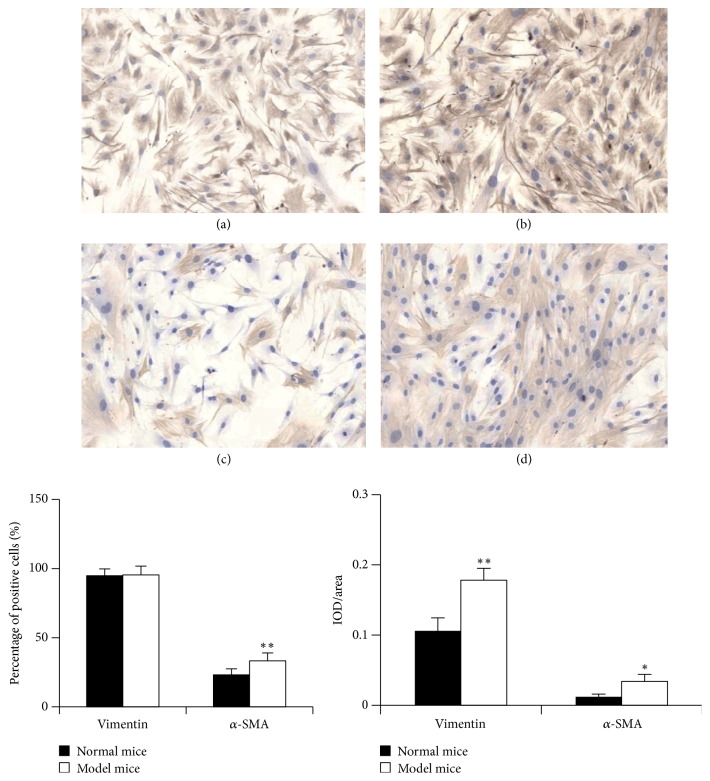
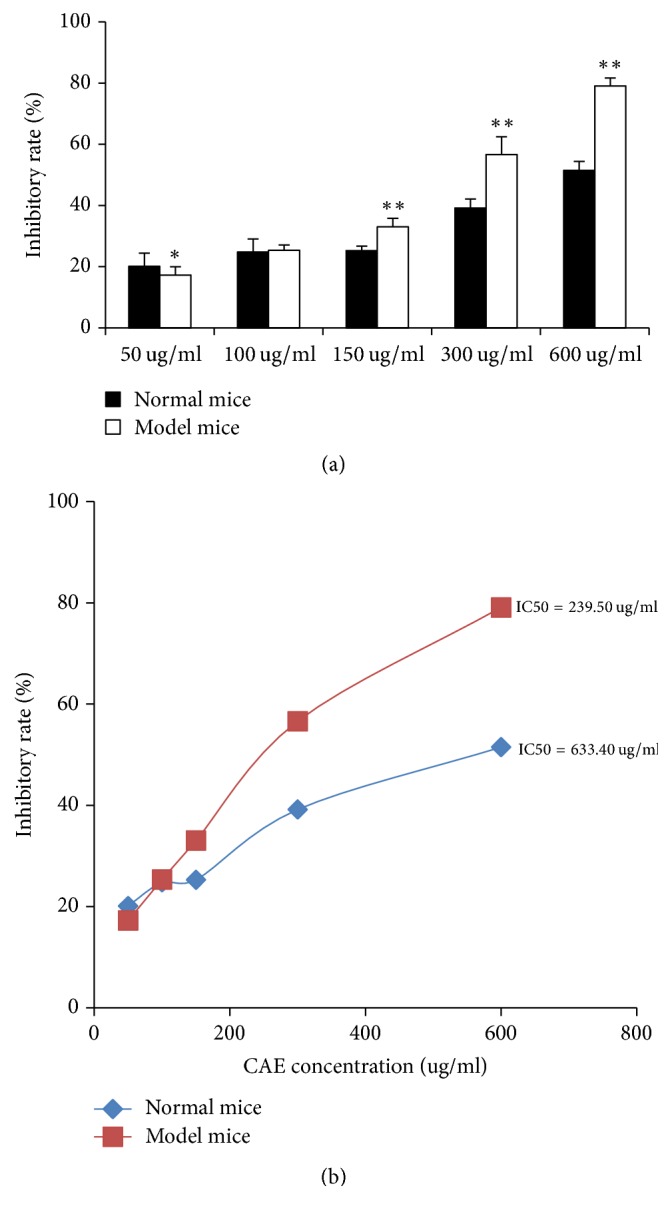
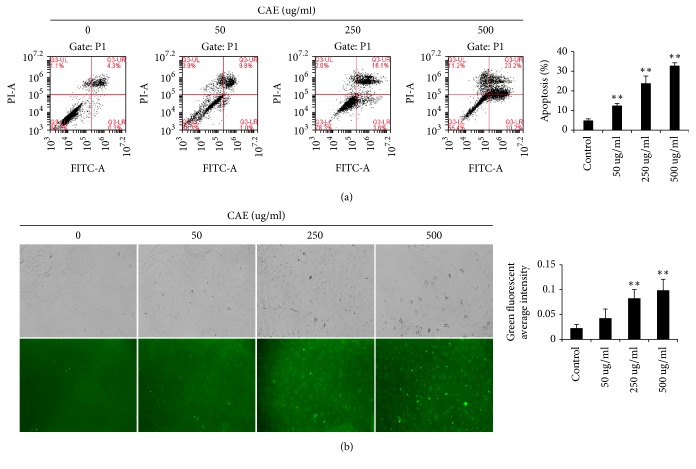
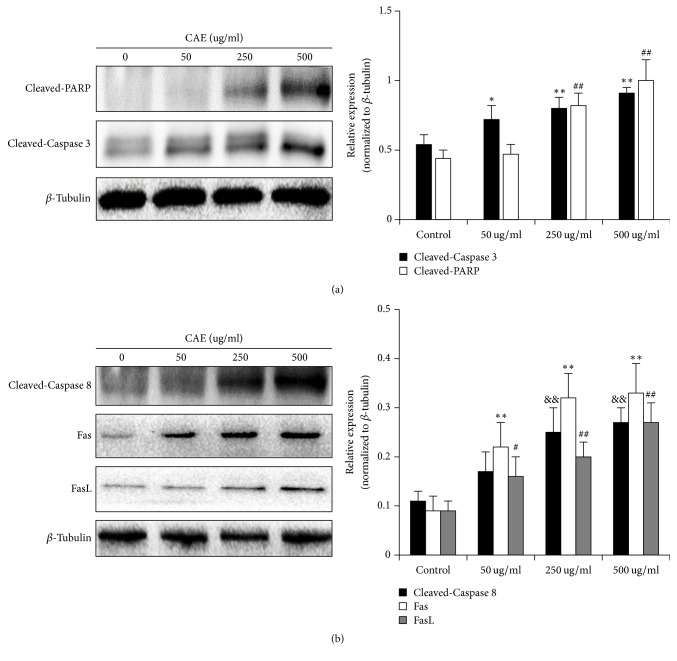
We extracted the primary pulmonary fibroblasts of the normal and bleomycin-induced pulmonary fibrosis mice and investigated the functioning mechanism of citrus alkaline extract (CAE) in the induction of pulmonary fibroblast apoptosis. The expression intensity of vimentin of the pulmonary fibroblasts in the model mice was higher than that in the normal mice. Meanwhile, the positive expression rate and expression intensity of alpha smooth muscle actin (-SMA) of the pulmonary fibroblasts in the model mice were higher than those in the normal mice. Results of MTT showed that pulmonary fibroblast activity of the normal and model mice has been significantly inhibited by CAE in a concentration-dependent manner. The results of flow cytometer analysis showed that the proportion of pulmonary fibroblast apoptosis in the model mice has been profoundly increased by CAE treatment in a dosage-dependent manner. Besides we found that the expression of Cleaved-Caspase 3, Cleaved-Caspase 8, Cleaved-poly-ADP-ribose polymerase (Cleaved-PARP), and Fas and Fas Ligand (FasL) was markedly increased after CAE treatment. A further study showed that the expression of Cyclooxygenase-2 (COX-2) and prostaglandin E receptor 2 (EP2) was dependant on the concentration of CAE, indicating that CAE-regulated receptor apoptosis of Fas was probably related to COX-2. The results of fluorescence detection of oxidative stress showed that the level of oxidative stress was significantly increased after CAE treatment. Furthermore, the results of Western Blot showed that the phosphorylation level of p38 (p-p38) was markedly increased, suggesting that CAE probably has regulated COX-2 through increased p-p38 following oxidative stress. Our results therefore suggest that CAE can effectively induce pulmonary fibroblast apoptosis of the normal and model mice, and its functioning mechanism is probably related to the p38/COX-2/Fas signaling pathway regulated by oxidative stress.
我们提取了正常小鼠和博来霉素诱导的肺纤维化小鼠的原代肺成纤维细胞,并研究了柑橘碱性提取物(CAE)诱导肺成纤维细胞凋亡的作用机制。模型小鼠肺成纤维细胞波形蛋白的表达强度高于正常小鼠。同时,模型小鼠肺成纤维细胞α平滑肌肌动蛋白(α-SMA)的阳性表达率和表达强度高于正常小鼠。MTT结果显示,CAE以浓度依赖性方式显著抑制正常小鼠和模型小鼠的肺成纤维细胞活性。流式细胞仪分析结果显示,CAE处理以剂量依赖性方式显著增加了模型小鼠肺成纤维细胞凋亡的比例。此外,我们发现CAE处理后,裂解的半胱天冬酶-3、裂解的半胱天冬酶-8、裂解的聚ADP核糖聚合酶(裂解的PARP)以及Fas和Fas配体(FasL)的表达明显增加。进一步研究表明,环氧化酶-2(COX-2)和前列腺素E受体2(EP2)的表达依赖于CAE的浓度,表明CAE调节的Fas受体凋亡可能与COX-2有关。氧化应激荧光检测结果显示,CAE处理后氧化应激水平显著升高。此外,蛋白质免疫印迹结果显示,p38的磷酸化水平(p-p38)明显升高,提示CAE可能在氧化应激后通过增加p-p38来调节COX-2。因此,我们的结果表明,CAE可以有效诱导正常小鼠和模型小鼠的肺成纤维细胞凋亡,其作用机制可能与氧化应激调节的p38/COX-2/Fas信号通路有关。