Reubi David
Department of Global Health & Social Medicine, King's College London, Room 2.4, East Wing Building, Strand, LondonWC2R 2LS, United Kingdom.
Econ Soc. 2018 Mar 9;47(1):83-110. doi: 10.1080/03085147.2018.1433359. eCollection 2018.
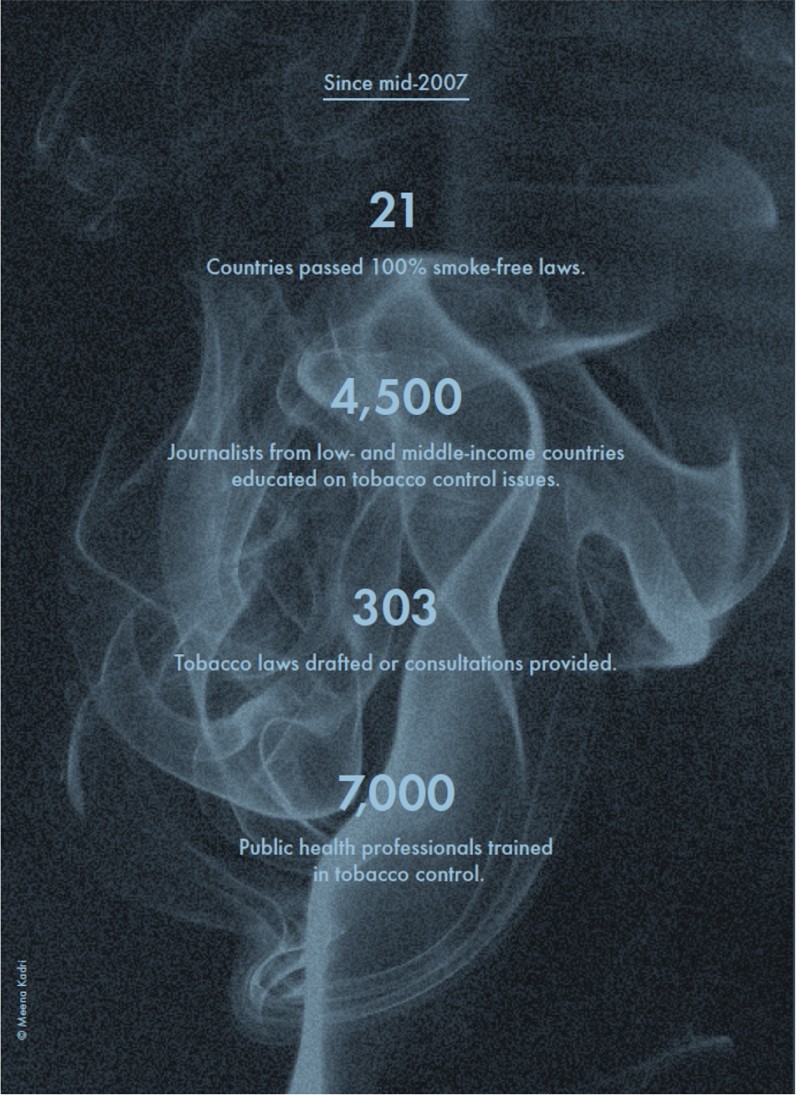
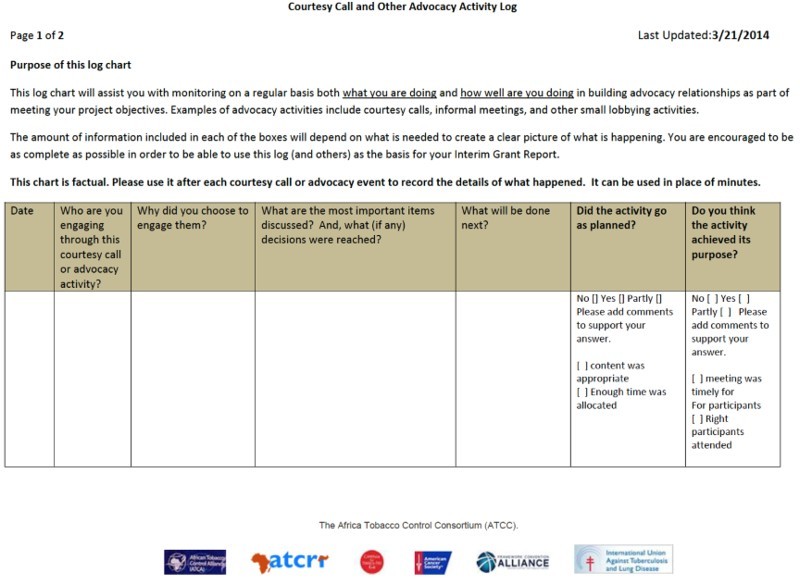
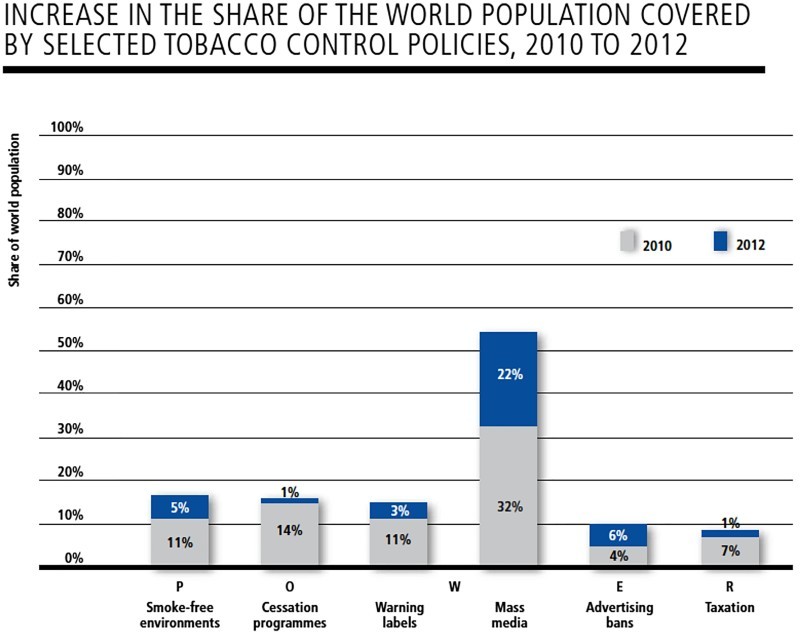
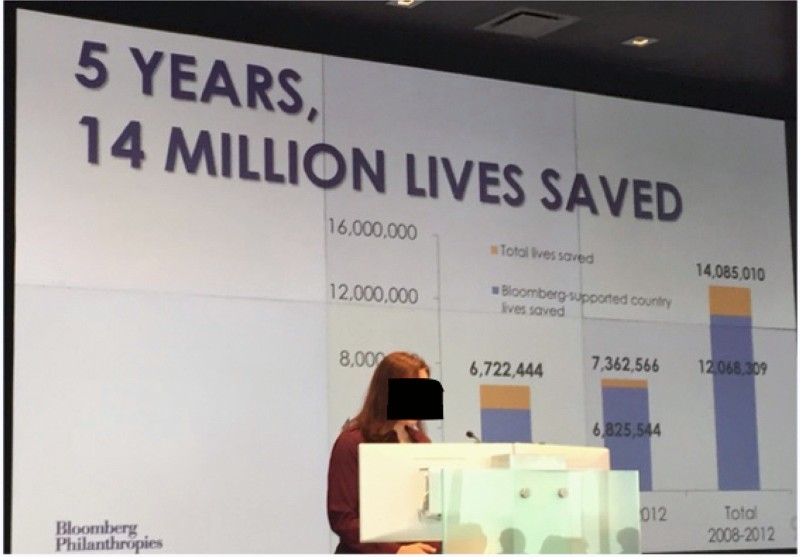
There have been concerns about the recent private turn and re-emergence of philanthropies in world health, with many worrying about philanthropies' perceived lack of transparency and accountability. In contrast, I argue that while the private turn might have led to a decline in democratic or public accountability, it did not bring an end to all forms of accountability. Specifically, I suggest that philanthropists' involvement in global health has led to the spread of another, new form of accountability: epidemiological accountability. The latter is a combination of two regimes of expertise and practices hitherto kept separate: audit and epidemiology. To substantiate this argument, I draw on my research on the Bloomberg Initiative - a global effort to reduce tobacco use spearheaded by the Bloomberg and Gates foundations.
近期慈善事业在全球卫生领域转向私营化并再度兴起,引发了诸多担忧,许多人担心慈善事业缺乏透明度和问责制。相比之下,我认为尽管私营化转向可能导致民主或公共问责制的下降,但它并没有终结所有形式的问责制。具体而言,我认为慈善家对全球卫生的参与导致了另一种新的问责制的传播:流行病学问责制。后者是两种迄今一直分开的专业知识和实践制度的结合:审计和流行病学。为了证实这一论点,我借鉴了我对彭博倡议的研究,这是一项由彭博基金会和盖茨基金会牵头的全球减少烟草使用的努力。