Guangzhou Institute of Cardiovascular Disease, Department of Cardiology, The Second Affiliated Hospital of Guangzhou Medical University, Guangzhou, 510260, China.
Department of Oncology, The Second Affiliated Hospital of Guangzhou Medical University, Guangzhou, China.
Stem Cell Res Ther. 2018 May 30;9(1):151. doi: 10.1186/s13287-018-0895-0.
Aging is one of the key factors that regulate the function of human bone marrow mesenchymal stem cells (hBM-MSCs) and related changes in microRNA (miRNA) expression. However, data reported on aging-related miRNA changes in hBM-MSCs are limited.
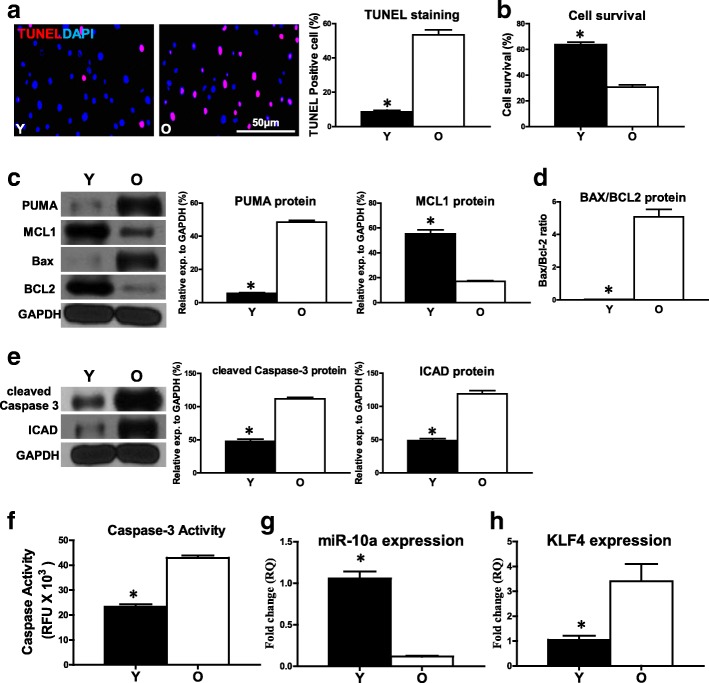
We demonstrated previously that miR-10a is significantly decreased in aged hBM-MSCs and restoration of the miR-10a level attenuated cell senescence and increased the differentiation capacity of aged hBM-MSCs by repressing Krüpple-like factor 4 (KLF4). In the present study, miR-10a was overexpressed or KLF4 was downregulated in old hBM-MSCs by lentiviral transduction. The hypoxia-induced apoptosis, cell survival, and cell paracrine function of aged hBM-MSCs were investigated in vitro. In vivo, miR-10a-overexpressed or KLF4-downregulated old hBM-MSCs were implanted into infarcted mouse hearts after myocardial infarction (MI). The mouse cardiac function of cardiac angiogenesis was measured and cell survival of aged hBM-MSCs was investigated.
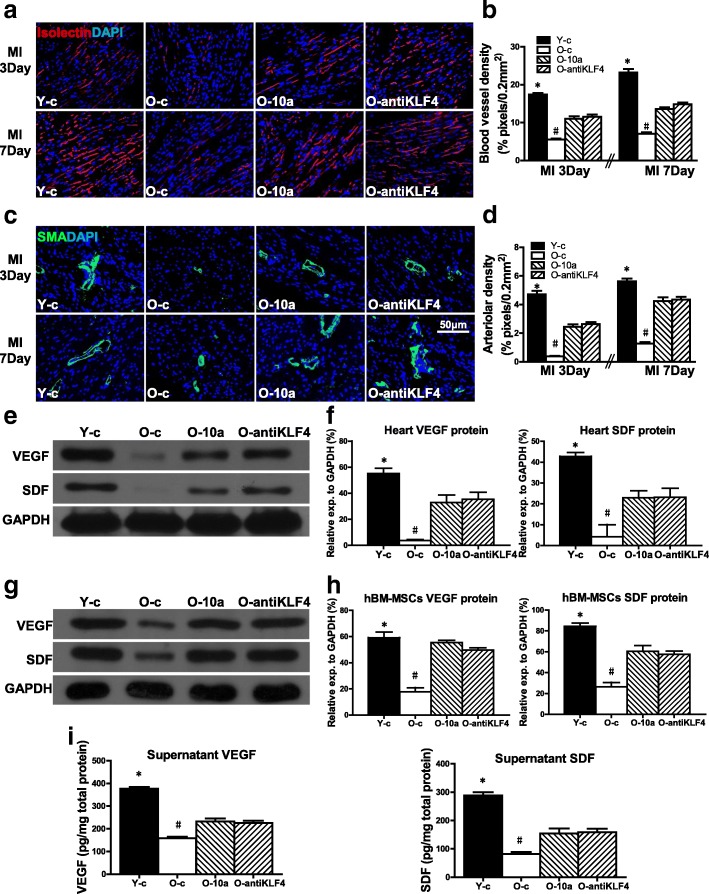
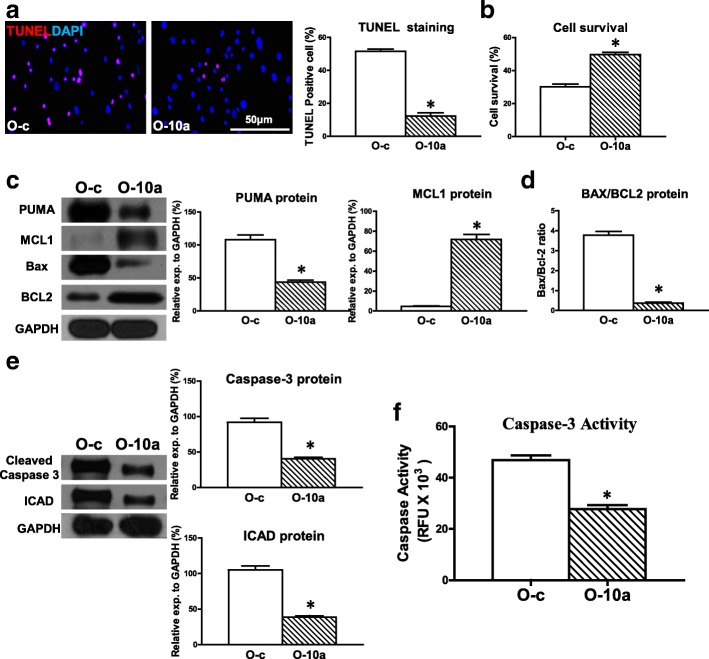
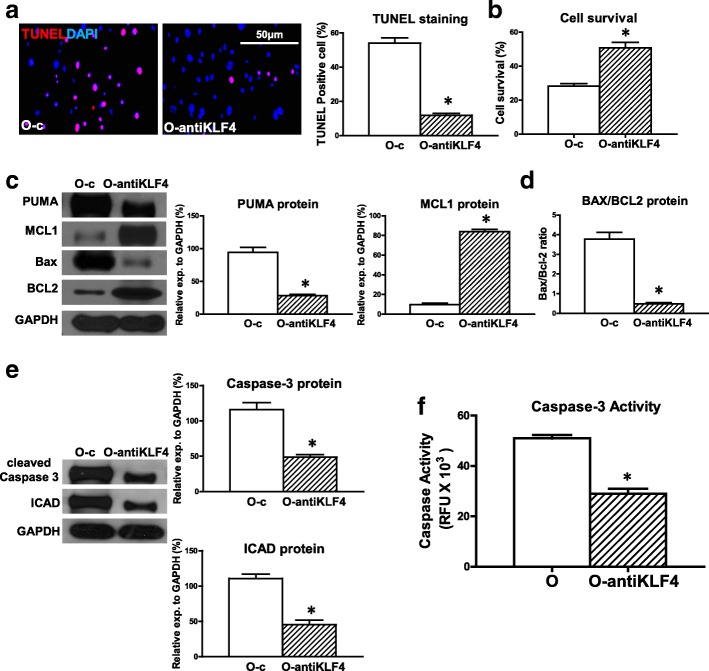
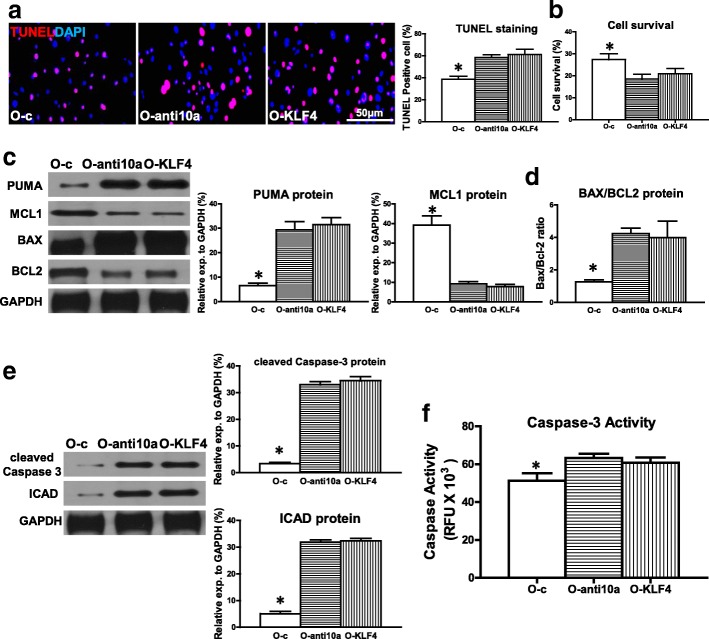
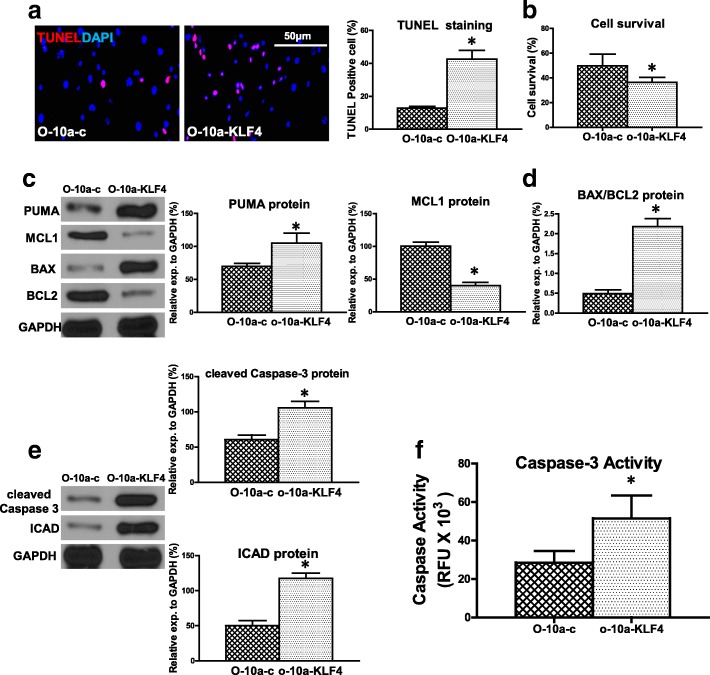
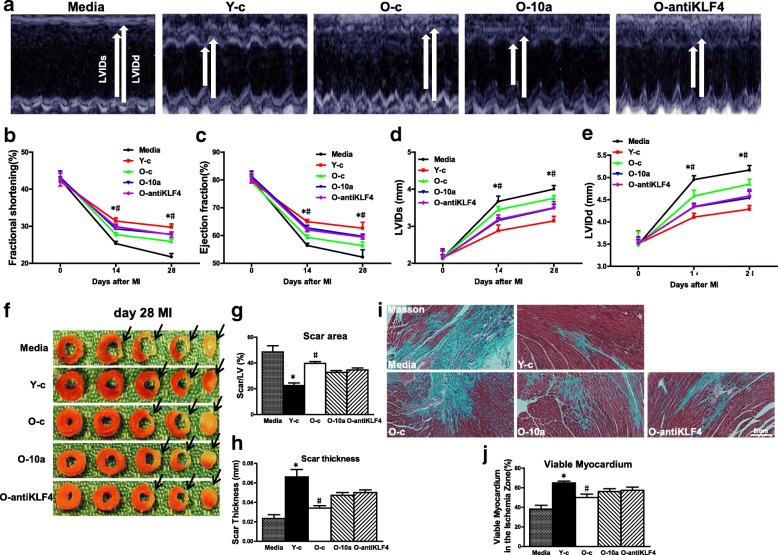
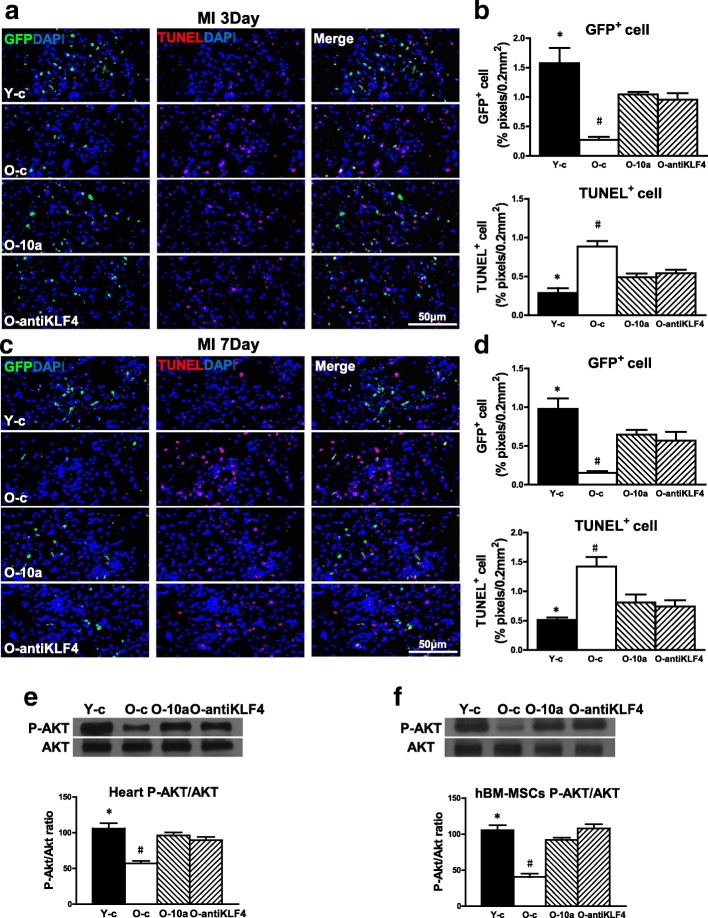
Through lentivirus-mediated upregulation of miR-10a and downregulation of KLF4 in aged hBM-MSCs in vitro, we revealed that miR-10a decreased hypoxia-induced cell apoptosis and increased cell survival of aged hBM-MSCs by repressing the KLF4-BAX/BCL2 pathway. In vivo, transplantation of miR-10a-overexpressed aged hBM-MSCs promoted implanted stem cell survival and improved cardiac function after MI. Mechanistic studies revealed that overexpression of miR-10a in aged hBM-MSCs activated Akt and stimulated the expression of angiogenic factors, thus increasing angiogenesis in ischemic mouse hearts.
miR-10a rejuvenated aged hBM-MSCs which improved angiogenesis and cardiac function in injured mouse hearts.
衰老是调节人类骨髓间充质干细胞(hBM-MSCs)功能的关键因素之一,相关的 microRNA(miRNA)表达变化也随之发生。然而,关于 hBM-MSCs 衰老相关 miRNA 变化的数据有限。
我们之前已经证明,miR-10a 在衰老的 hBM-MSCs 中显著降低,并且恢复 miR-10a 水平通过抑制 Krüpple 样因子 4(KLF4)来减弱细胞衰老并增加衰老的 hBM-MSCs 的分化能力。在本研究中,通过慢病毒转导在老年 hBM-MSCs 中过表达 miR-10a 或下调 KLF4。在体外研究了衰老的 hBM-MSCs 的缺氧诱导凋亡、细胞存活和细胞旁分泌功能。在体内,将过表达 miR-10a 或下调 KLF4 的老年 hBM-MSCs 植入心肌梗死(MI)后的梗死小鼠心脏。测量了小鼠心脏的血管生成功能和衰老的 hBM-MSCs 的细胞存活情况。
通过慢病毒介导的 miR-10a 在体外上调和 KLF4 在衰老的 hBM-MSCs 中的下调,我们揭示了 miR-10a 通过抑制 KLF4-BAX/BCL2 途径减少缺氧诱导的细胞凋亡并增加衰老的 hBM-MSCs 的细胞存活。在体内,过表达 miR-10a 的老年 hBM-MSCs 的移植促进了植入干细胞的存活,并改善了 MI 后的心脏功能。机制研究表明,在衰老的 hBM-MSCs 中过表达 miR-10a 激活了 Akt 并刺激了血管生成因子的表达,从而增加了缺血小鼠心脏的血管生成。
miR-10a 使衰老的 hBM-MSCs 恢复活力,改善了受伤小鼠心脏的血管生成和心脏功能。