Tsai Shih-Jen
Department of Psychiatry, Taipei Veterans General Hospital, Taipei, Taiwan.
School of Medicine, National Yang-Ming University, Taipei, Taiwan.
Front Mol Neurosci. 2018 May 15;11:156. doi: 10.3389/fnmol.2018.00156. eCollection 2018.
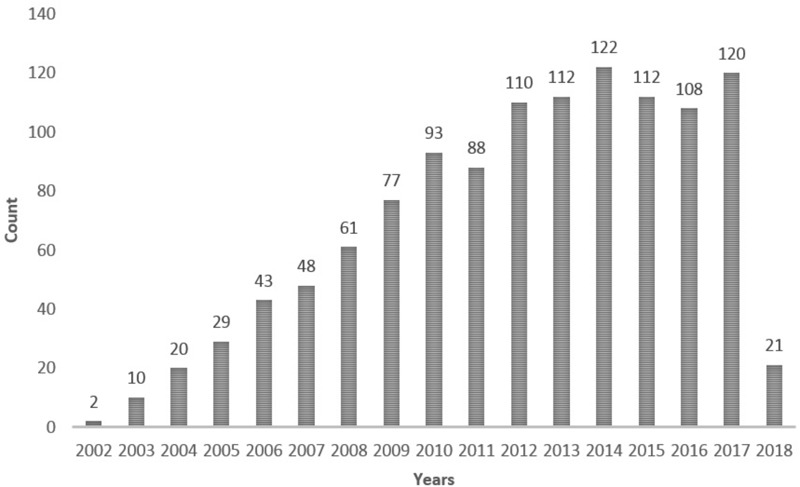
Neurotrophins have been implicated in the pathophysiology of many neuropsychiatric diseases. Brain-derived neurotrophic factor (BDNF) is the most abundant and widely distributed neurotrophin in the brain. Its Val66Met polymorphism (refSNP Cluster Report: rs6265) is a common and functional single-nucleotide polymorphism (SNP) affecting the activity-dependent release of BDNF. Val66Met transgenic mice have been generated, which may provide further insight into the functional impact of this polymorphism in the brain. Considering the important role of BDNF in brain function, more than 1,100 genetic studies have investigated this polymorphism in the past 15 years. Although these studies have reported some encouraging positive findings initially, most of the findings cannot be replicated in following studies. These inconsistencies in Val66Met genetic studies may be attributed to many factors such as age, sex, environmental factors, ethnicity, genetic model used for analysis, and gene-gene interaction, which are discussed in this review. We also discuss the results of recent studies that have reported the novel functions of this polymorphism. Because many polymorphisms and non-genetic factors have been implicated in the complex traits of neuropsychiatric diseases, the conventional genetic association-based method is limited to address these complex interactions. Future studies should apply data mining and machine learning techniques to determine the genetic role of in neuropsychiatric diseases.
神经营养因子与多种神经精神疾病的病理生理学有关。脑源性神经营养因子(BDNF)是大脑中含量最丰富、分布最广泛的神经营养因子。其Val66Met多态性(参考单核苷酸多态性簇报告:rs6265)是一种常见的功能性单核苷酸多态性(SNP),影响BDNF的活性依赖性释放。已经培育出Val66Met转基因小鼠,这可能为进一步了解这种多态性在大脑中的功能影响提供线索。鉴于BDNF在脑功能中的重要作用,在过去15年里,超过1100项遗传学研究对这种多态性进行了调查。尽管这些研究最初报告了一些令人鼓舞的阳性结果,但大多数结果在后续研究中无法重复。Val66Met遗传学研究中的这些不一致可能归因于许多因素,如年龄、性别、环境因素、种族、用于分析的遗传模型以及基因-基因相互作用,本综述将对此进行讨论。我们还讨论了最近报告这种多态性新功能的研究结果。由于许多多态性和非遗传因素与神经精神疾病的复杂特征有关,传统的基于遗传关联的方法在解决这些复杂相互作用方面存在局限性。未来的研究应应用数据挖掘和机器学习技术来确定该多态性在神经精神疾病中的遗传作用。