Chen Wenjing, Hoffmann Andrew D, Liu Huiping, Liu Xia
1Department of Pharmacology, Northwestern University, Chicago, IL USA.
2Department of Medicine, Division of Hematology and Oncology, Northwestern University, Chicago, IL USA.
NPJ Precis Oncol. 2018 Feb 16;2(1):4. doi: 10.1038/s41698-018-0047-0. eCollection 2018.
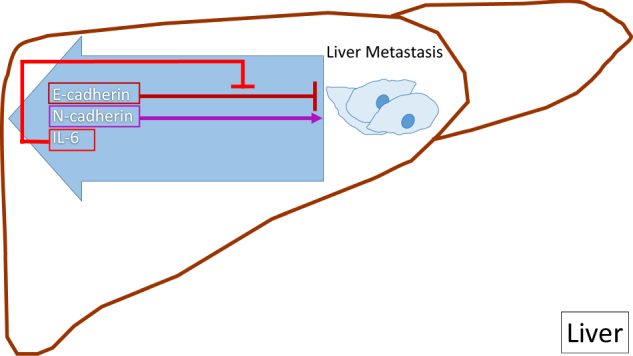
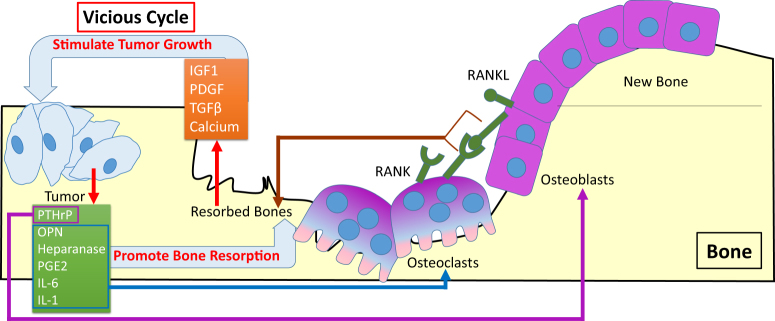
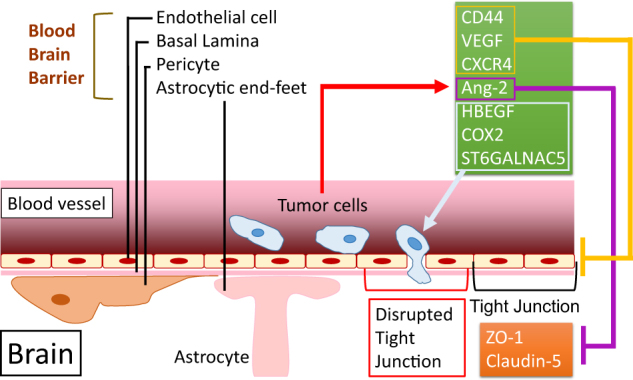
Metastasis accounts for 90% of breast cancer mortality. Despite the significant progress made over the past decade in cancer medicine our understanding of metastasis remains limited, therefore preventing and targeting metastasis is not yet possible. Breast cancer cells preferentially metastasize to specific organs, known as "organotropic metastasis", which is regulated by subtypes of breast cancer, host organ microenvironment, and cancer cells-organ interactions. The cross-talk between cancer cells and host organs facilitates the formation of the premetastatic niche and is augmented by factors released from cancer cells prior to the cancer cells' arrival at the host organ. Moreover, host microenvironment and specific organ structure influence metastatic niche formation and interactions between cancer cells and local resident cells, regulating the survival of cancer cells and formation of metastatic lesions. Understanding the molecular mechanisms of organotropic metastasis is essential for biomarker-based prediction and prognosis, development of innovative therapeutic strategy, and eventual improvement of patient outcomes. In this review, we summarize the molecular mechanisms of breast cancer organotropic metastasis by focusing on tumor cell molecular alterations, stemness features, and cross-talk with the host environment. In addition, we also update some new progresses on our understanding about genetic and epigenetic alterations, exosomes, microRNAs, circulating tumor cells and immune response in breast cancer organotropic metastasis.
转移是导致90%乳腺癌患者死亡的原因。尽管在过去十年癌症医学领域取得了显著进展,但我们对转移的理解仍然有限,因此目前尚无法预防和靶向转移。乳腺癌细胞优先转移至特定器官,即“器官趋向性转移”,这受乳腺癌亚型、宿主器官微环境以及癌细胞与器官间相互作用的调控。癌细胞与宿主器官之间的相互作用促进了前转移微环境的形成,并且在癌细胞抵达宿主器官之前,癌细胞释放的因子会增强这种相互作用。此外,宿主微环境和特定器官结构会影响转移微环境的形成以及癌细胞与局部驻留细胞之间的相互作用,从而调节癌细胞的存活和转移灶的形成。了解器官趋向性转移的分子机制对于基于生物标志物的预测和预后、创新治疗策略的开发以及最终改善患者预后至关重要。在本综述中,我们通过聚焦肿瘤细胞分子改变、干性特征以及与宿主环境的相互作用,总结了乳腺癌器官趋向性转移的分子机制。此外,我们还更新了一些关于乳腺癌器官趋向性转移中基因和表观遗传改变、外泌体、微小RNA、循环肿瘤细胞及免疫反应的新进展。