School of Basic Medical Sciences and State Key Laboratory of Southwestern Chinese Medicine Resources, Chengdu University of Traditional Chinese Medicine, Chengdu, 611137, China.
State Key Laboratory of Biotherapy and Cancer Center, West China Hospital, and West China School of Basic Medical Sciences and Forensic Medicine, Sichuan University, and Collaborative Innovation Center for Biotherapy, Chengdu, 610041, China.
J Transl Med. 2023 Sep 9;21(1):612. doi: 10.1186/s12967-023-04460-5.
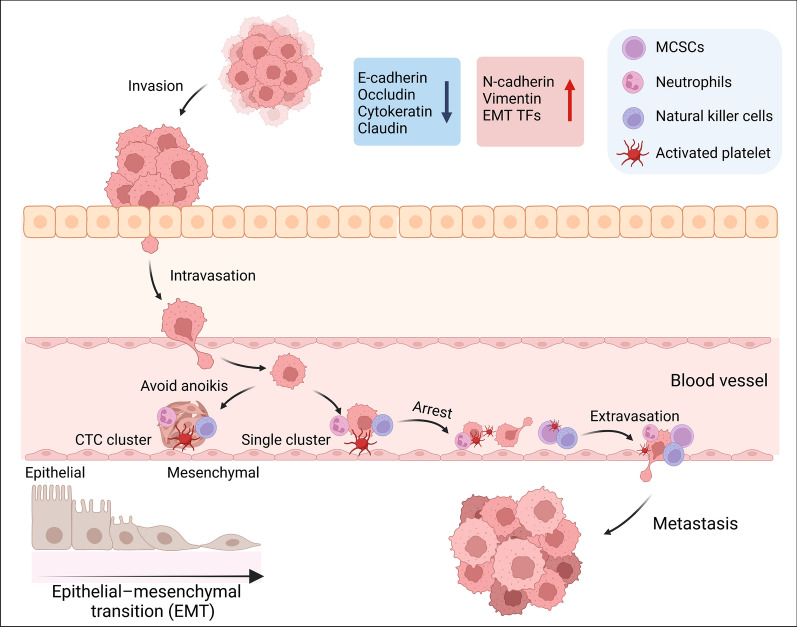
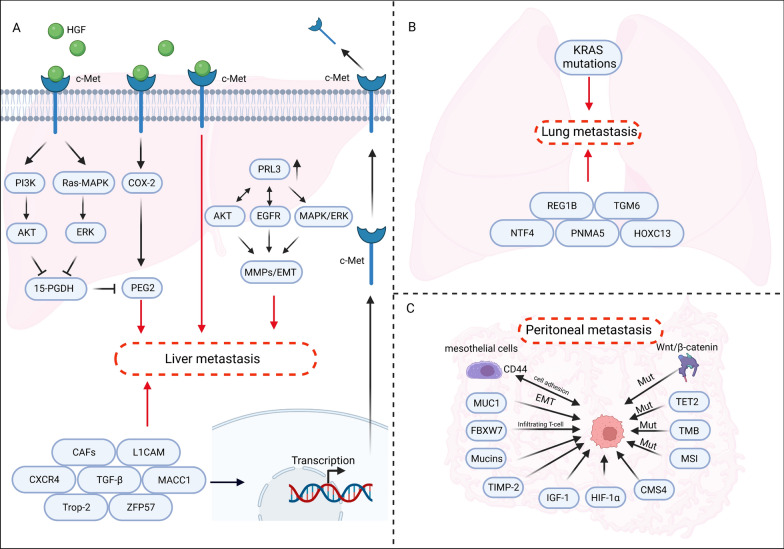
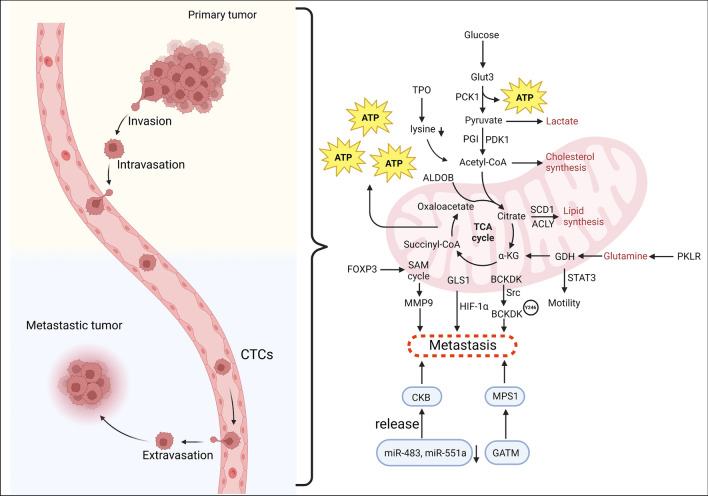
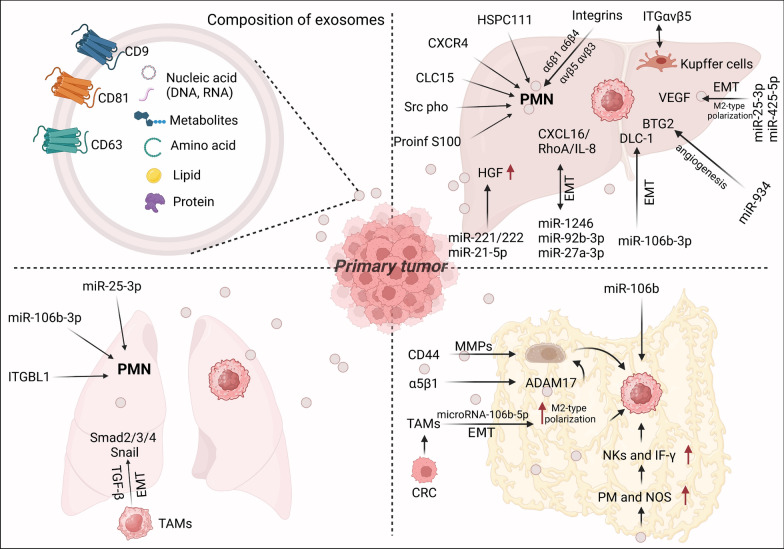
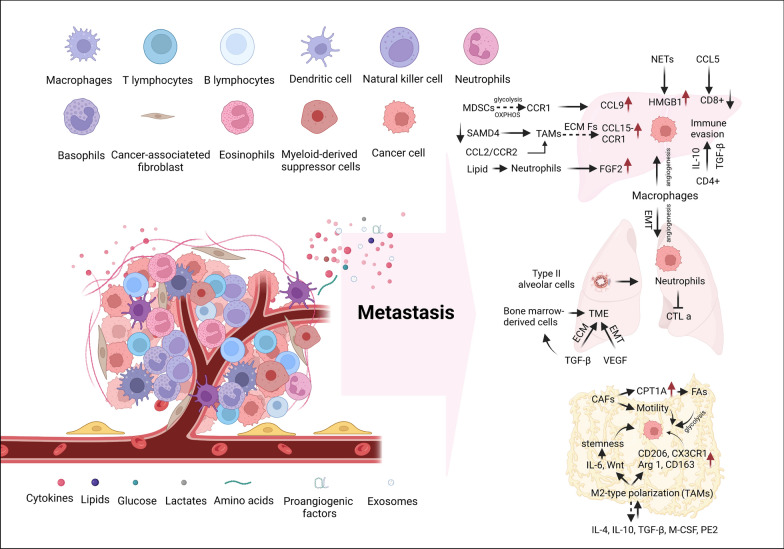
Distant metastasis remains a leading cause of mortality among patients with colorectal cancer (CRC). Organotropism, referring to the propensity of metastasis to target specific organs, is a well-documented phenomenon in CRC, with the liver, lungs, and peritoneum being preferred sites. Prior to establishing premetastatic niches within host organs, CRC cells secrete substances that promote metastatic organotropism. Given the pivotal role of organotropism in CRC metastasis, a comprehensive understanding of its molecular underpinnings is crucial for biomarker-based diagnosis, innovative treatment development, and ultimately, improved patient outcomes. In this review, we focus on metabolic reprogramming, tumor-derived exosomes, the immune system, and cancer cell-organ interactions to outline the molecular mechanisms of CRC organotropic metastasis. Furthermore, we consider the prospect of targeting metastatic organotropism for CRC therapy.
远处转移仍然是结直肠癌(CRC)患者死亡的主要原因。器官趋向性是指转移到特定器官的倾向,这在 CRC 中是一个有据可查的现象,肝脏、肺部和腹膜是首选部位。在宿主器官内建立前转移龛之前,CRC 细胞分泌促进转移器官趋向性的物质。鉴于器官趋向性在 CRC 转移中的关键作用,全面了解其分子基础对于基于生物标志物的诊断、创新治疗的发展以及最终改善患者预后至关重要。在这篇综述中,我们重点关注代谢重编程、肿瘤衍生的外泌体、免疫系统和癌细胞-器官相互作用,以概述 CRC 器官趋向性转移的分子机制。此外,我们还考虑了针对 CRC 治疗的转移性器官趋向性的靶向治疗的前景。