School of Physiology, Pharmacology and Neuroscience, University of Bristol, Bristol, UK.
Hotchkiss Brain Institute, University of Calgary, Calgary, Canada.
Cerebellum. 2018 Oct;17(5):654-682. doi: 10.1007/s12311-018-0952-3.
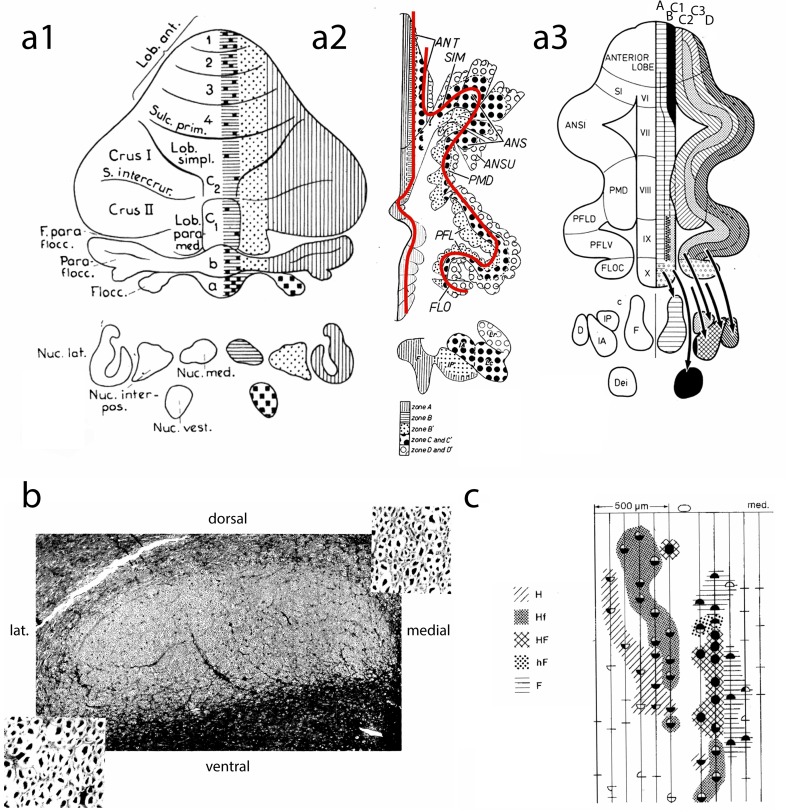
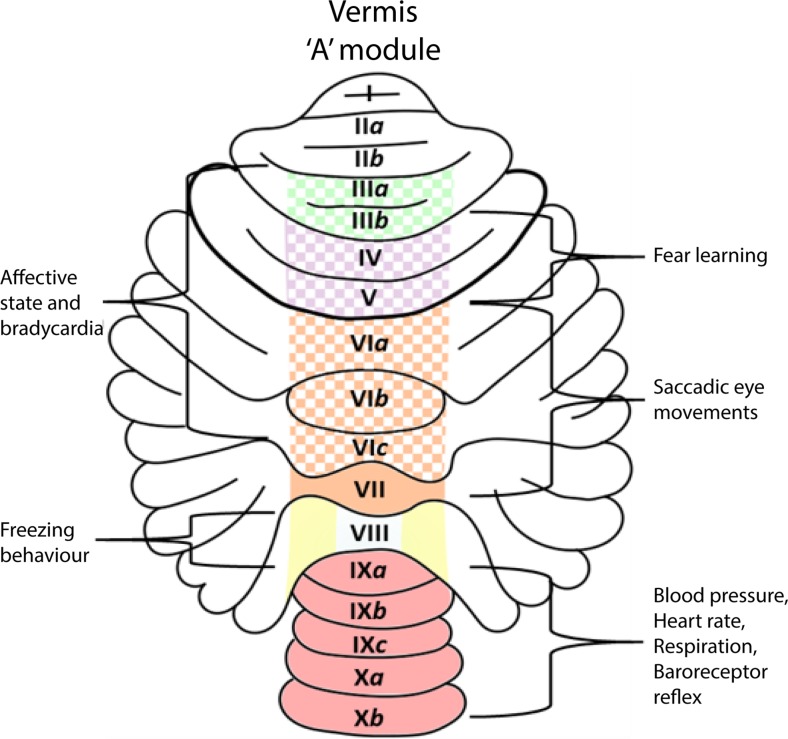
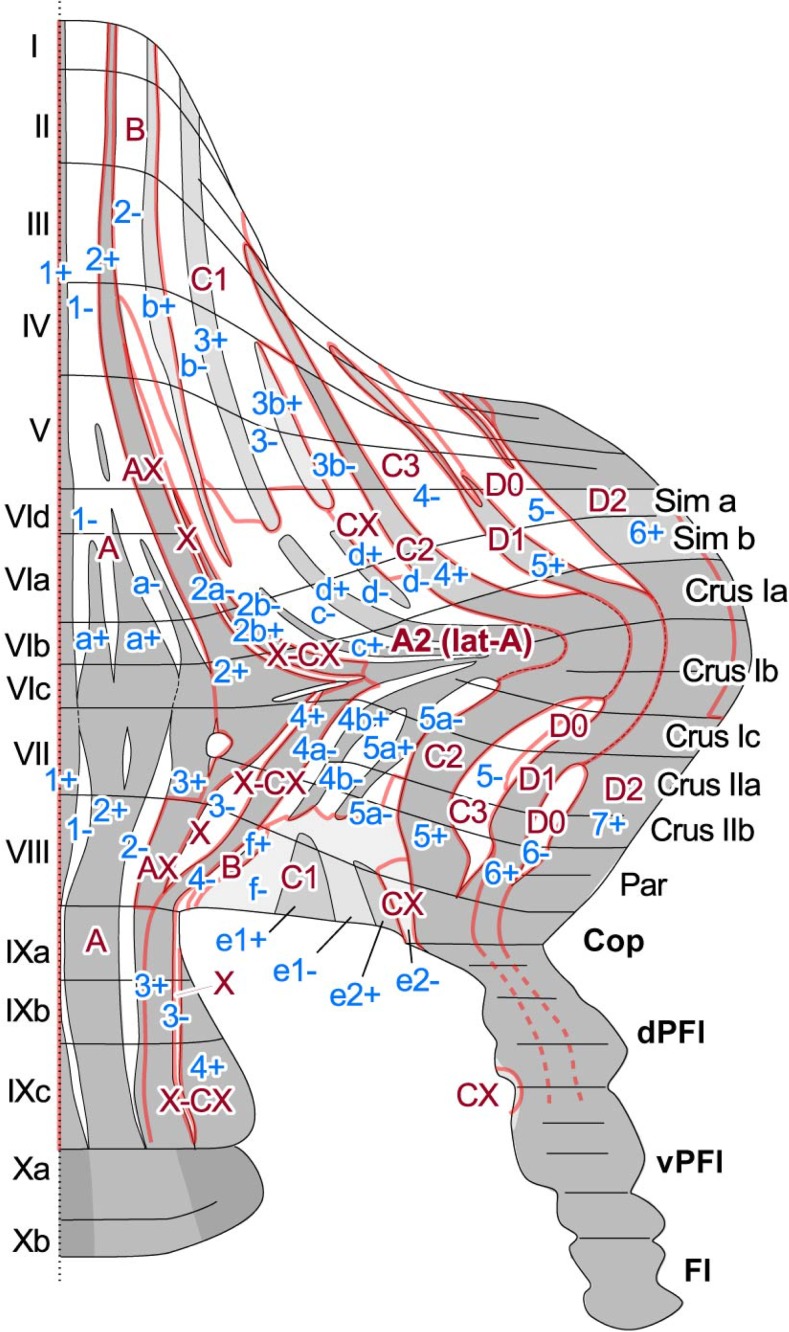
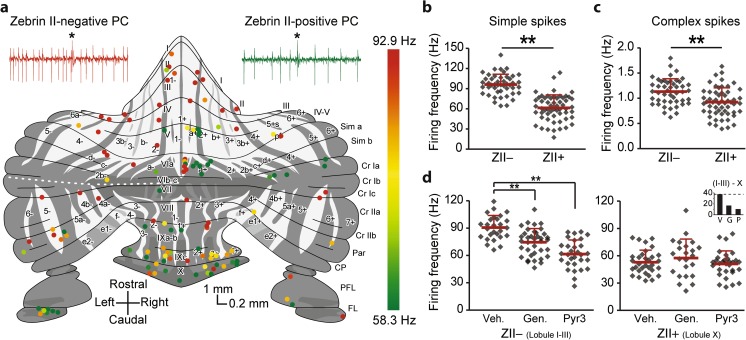
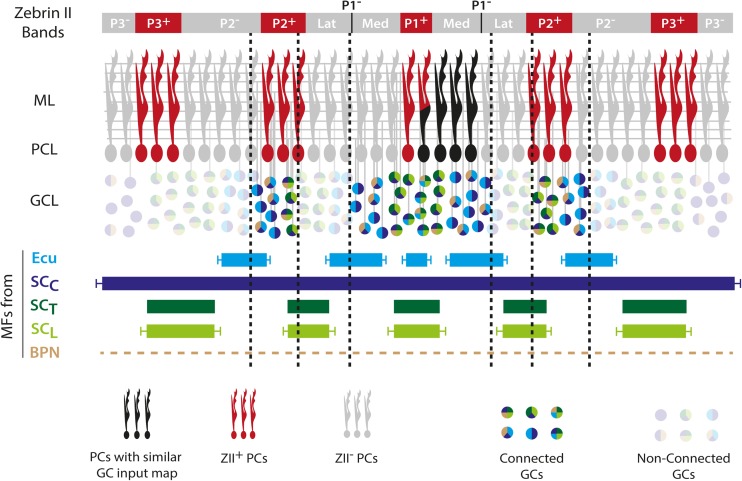
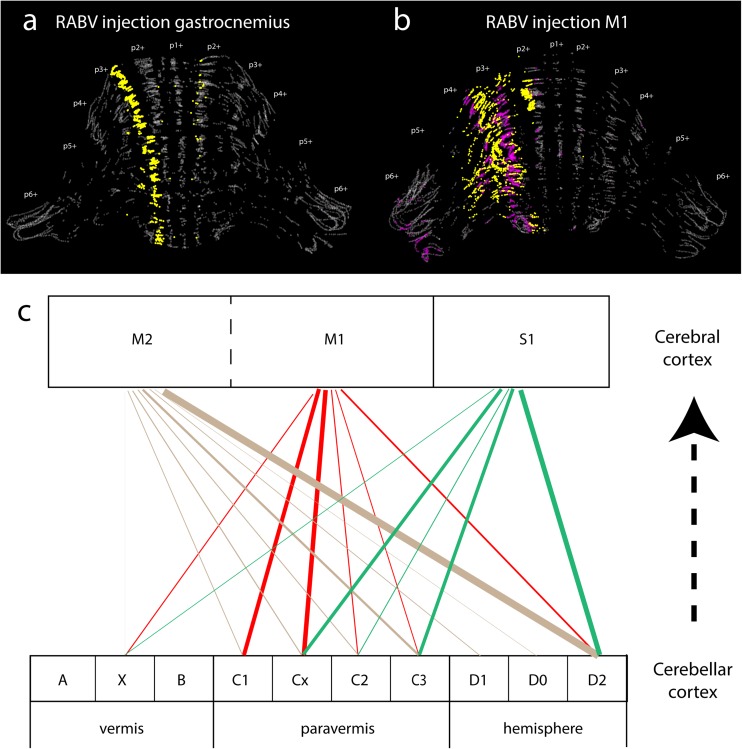
The compartmentalization of the cerebellum into modules is often used to discuss its function. What, exactly, can be considered a module, how do they operate, can they be subdivided and do they act individually or in concert are only some of the key questions discussed in this consensus paper. Experts studying cerebellar compartmentalization give their insights on the structure and function of cerebellar modules, with the aim of providing an up-to-date review of the extensive literature on this subject. Starting with an historical perspective indicating that the basis of the modular organization is formed by matching olivocorticonuclear connectivity, this is followed by consideration of anatomical and chemical modular boundaries, revealing a relation between anatomical, chemical, and physiological borders. In addition, the question is asked what the smallest operational unit of the cerebellum might be. Furthermore, it has become clear that chemical diversity of Purkinje cells also results in diversity of information processing between cerebellar modules. An additional important consideration is the relation between modular compartmentalization and the organization of the mossy fiber system, resulting in the concept of modular plasticity. Finally, examination of cerebellar output patterns suggesting cooperation between modules and recent work on modular aspects of emotional behavior are discussed. Despite the general consensus that the cerebellum has a modular organization, many questions remain. The authors hope that this joint review will inspire future cerebellar research so that we are better able to understand how this brain structure makes its vital contribution to behavior in its most general form.
小脑的分区化为模块结构经常用于讨论其功能。确切地说,什么可以被认为是一个模块,它们如何运作,可以细分它们,以及它们是单独作用还是协同作用,这些都是在这份共识文件中讨论的关键问题。研究小脑分区的专家就小脑模块的结构和功能提供了见解,旨在对这一主题的广泛文献进行最新综述。本文首先从历史角度出发,指出模块化组织的基础是橄榄核皮质连接的匹配,然后考虑了解剖学和化学模块边界,揭示了解剖学、化学和生理学边界之间的关系。此外,还提出了小脑的最小操作单元可能是什么的问题。此外,已经清楚的是,浦肯野细胞的化学多样性也导致了小脑模块之间信息处理的多样性。另一个重要的考虑因素是模块化分区与苔藓纤维系统组织之间的关系,从而产生了模块化可塑性的概念。最后,还讨论了提示模块间合作的小脑输出模式以及最近关于情绪行为模块化方面的工作。尽管人们普遍认为小脑具有模块化组织,但仍有许多问题悬而未决。作者希望这份联合综述能激发未来的小脑研究,使我们能够更好地理解这个脑结构如何以最普遍的形式对行为做出重要贡献。