Leeds Institute of Biomedical and Clinical Sciences, St James's University Hospital, University of Leeds, Leeds, LS9 7TF, UK.
Cancer Metastasis Rev. 2018 Sep;37(2-3):545-555. doi: 10.1007/s10555-018-9744-y.
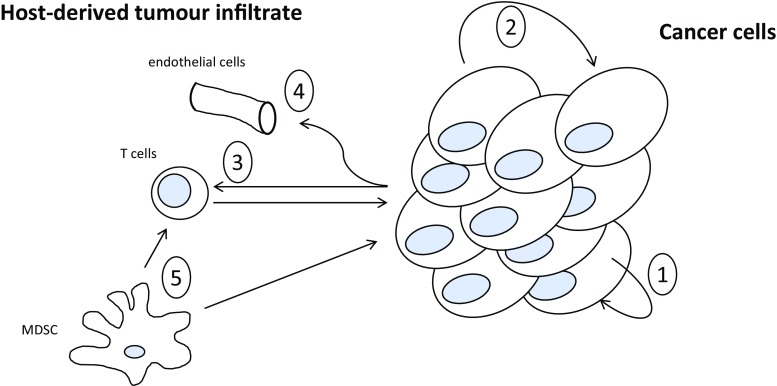
The majority of evidence linking anti-colorectal cancer (CRC) activity with omega-3 polyunsaturated fatty acids (O3FAs) has focussed on decreased CRC risk (prevention). More recently, preclinical data and human observational studies have begun to make the case for adjuvant treatment of advanced CRC. Herein, we review latest data regarding the effect of O3FAs on post-diagnosis CRC outcomes, including mechanistic preclinical data, evidence that O3FAs have beneficial effects on efficacy and tolerability of CRC chemotherapy, and human epidemiological data linking dietary O3FA intake with CRC outcomes. We also highlight ongoing randomised controlled trials of O3FAs with CRC endpoints and discuss critical gaps in the evidence base, which include limited understanding of the effects of O3FAs on the tumour microenvironment, the host immune response to CRC, and the intestinal microbiome.
大多数将抗结直肠癌(CRC)活性与 ω-3 多不饱和脂肪酸(O3FAs)联系起来的证据都集中在降低 CRC 风险(预防)上。最近,临床前数据和人体观察性研究开始为晚期 CRC 的辅助治疗提供依据。在此,我们回顾了关于 O3FAs 对诊断后 CRC 结局影响的最新数据,包括机制性临床前数据、O3FAs 对 CRC 化疗疗效和耐受性有益影响的证据,以及将饮食 O3FA 摄入与 CRC 结局联系起来的人类流行病学数据。我们还强调了正在进行的以 CRC 终点为目标的 O3FAs 随机对照试验,并讨论了证据基础中的关键差距,包括对 O3FAs 对肿瘤微环境、CRC 宿主免疫反应和肠道微生物组的影响的有限了解。