Department of Rehabilitation Medicine, Erasmus MC University Medical Centre Rotterdam, PO Box 2040, 3000 CA Rotterdam, The Netherlands.
Rijndam Rehabilitation, Westersingel 300, 3015 LJ Rotterdam, The Netherlands.
Sensors (Basel). 2018 Jul 5;18(7):2167. doi: 10.3390/s18072167.
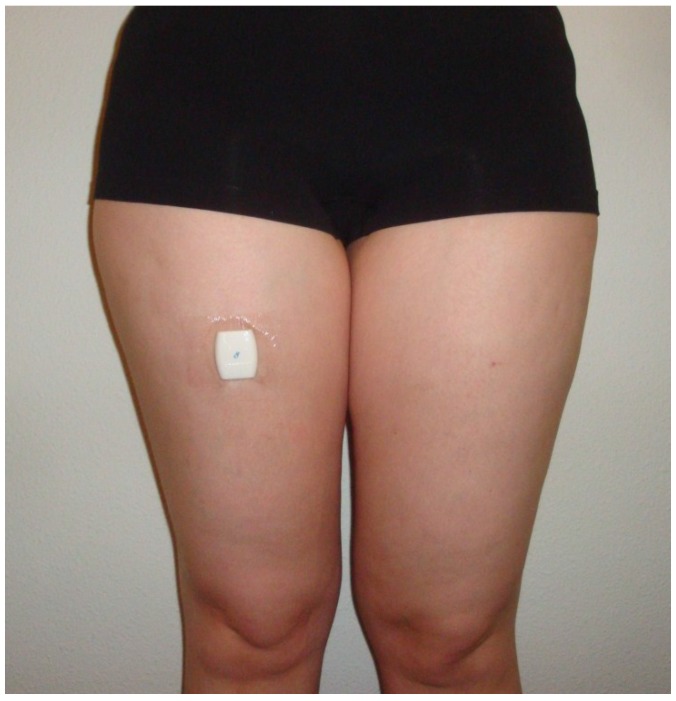
In stroke rehabilitation not only are the levels of physical activity important, but body postures and movements performed during one’s daily-life are also important. This information is provided by a new one-sensor accelerometer that is commercially available, low-cost, and user-friendly. The present study examines the accuracy of this activity monitor (Activ8) in detecting several classes of body postures and movements in people after a stroke.
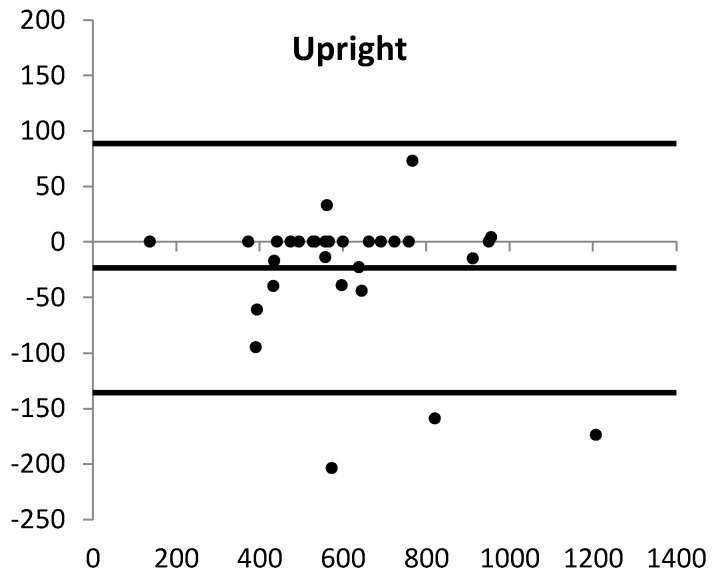
Twenty-five people after a stroke participated in an activity protocol with either basic activities or daily-life activities performed in a laboratory and/or at home. Participants wore an Activ8 on their less-affected thigh. The primary outcome was the difference in registered time for the merged class “upright position” (standing/walking/running) between the Activ8 and the video recording (the reference method). Secondary analyses focused on classes other than “upright position”.
The Activ8 underestimated the merged class “upright position” by 3.8% (775 s). The secondary analyses showed an overestimation of “lying/sitting” (4.5% (569 s)) and of “cycling” (6.5% (206 s)). The differences were lowest for basic activities in the laboratory and highest for daily-life activities at home.
The Activ8 is sufficiently accurate in detecting different classes of body postures and movements of people after a stroke during basic activities and daily-life activities in a laboratory and/or at home.
在中风康复中,不仅身体活动水平很重要,而且在日常生活中进行的身体姿势和运动也很重要。这一信息由一种新的单传感器加速度计提供,该传感器具有商业可用性、低成本和用户友好性。本研究旨在检验该活动监测器(Activ8)在检测中风后人群的几种身体姿势和运动的准确性。
25 名中风后患者在实验室和/或家中进行基本活动或日常生活活动的活动方案中佩戴 Activ8 在其非瘫痪侧大腿上。主要结果是 Activ8 记录的“直立姿势”(站立/行走/跑步)合并类别的时间与视频记录(参考方法)之间的差异。次要分析侧重于“直立姿势”以外的类别。
Activ8 低估了“直立姿势”合并类别的时间,低估了 3.8%(775 秒)。次要分析显示,“躺/坐”(4.5%(569 秒))和“骑车”(6.5%(206 秒))被高估。在实验室进行基本活动时,差异最小,在家中进行日常生活活动时,差异最大。
Activ8 在检测中风后患者在实验室和/或家中进行基本活动和日常生活活动时的不同身体姿势和运动类别的准确性足够高。