Lloyd Shawnta L, Striley Catherine W
University of Florida, Gainesville, FL, USA.
Gerontol Geriatr Med. 2018 Jun 21;4:2333721418781668. doi: 10.1177/2333721418781668. eCollection 2018 Jan-Dec.
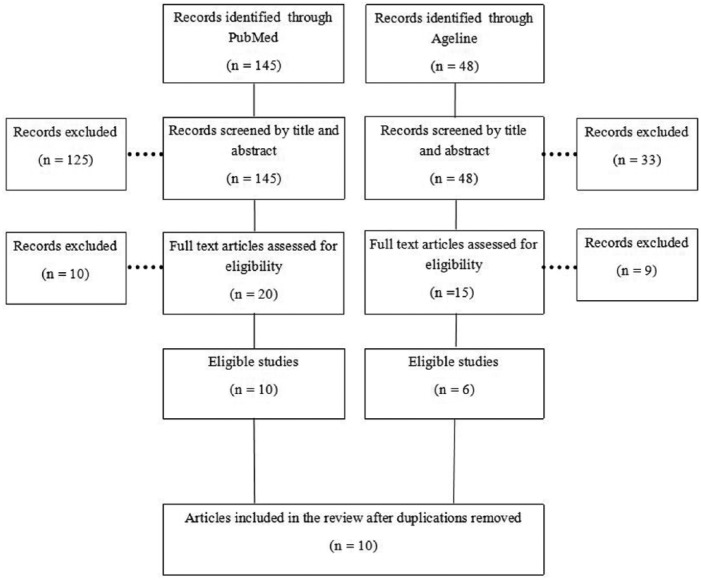
Marijuana is the most commonly used illicit drug among older adults. As an older population grows in the United States that has a tolerant attitude toward marijuana use, the dynamics of marijuana use and the effects of marijuana on personal, social, and health outcomes among older adults require attention. This review summarizes epidemiological literature on marijuana use among older adults. A literature search was conducted using PubMed, AgeLine, and an online search engine from January 2000 to December 2017, resulting in 18 articles. The greatest increase in marijuana use was observed among those in the older adult population 50 years or older, and those 65 years or older had the greatest increase in marijuana use in the older adult population. Common correlates of marijuana use among those in the older population included being male, being unmarried, having multiple chronic diseases, having psychological stress, and using other substances such as alcohol, tobacco, other illicit drugs, and prescription drugs. The increased use of marijuana in older populations requires surveillance and additional research to understand the use and effects of marijuana in older populations to avoid negative health outcomes.
大麻是老年人中最常用的非法药物。随着美国对大麻使用持宽容态度的老年人口不断增加,大麻使用的动态情况以及大麻对老年人个人、社会和健康结果的影响值得关注。本综述总结了关于老年人使用大麻的流行病学文献。2000年1月至2017年12月期间,利用PubMed、AgeLine和一个在线搜索引擎进行了文献检索,共检索到18篇文章。在50岁及以上的老年人群体中,大麻使用量增长最为显著,而65岁及以上的老年人在老年人群体中大麻使用量增长幅度最大。老年人群体中使用大麻的常见相关因素包括男性、未婚、患有多种慢性病、有心理压力以及使用酒精、烟草、其他非法药物和处方药等其他物质。老年人群体中大麻使用量的增加需要进行监测和更多研究,以了解大麻在老年人群体中的使用情况和影响,避免出现负面健康结果。