Rabbani Atonu, Biju Nabila Rahman, Rizwan Ashfique, Sarker Malabika
Department of Economics, University of Dhaka, Dhaka, Bangladesh.
James P Grant School of Public Health, BRAC University, Dhaka, Bangladesh.
BMJ Open. 2018 Jul 16;8(7):e020180. doi: 10.1136/bmjopen-2017-020180.
To test whether social ties play any roles in mitigating depression and anxiety, as well as in fostering mental health among young men living in a poor urban community.
A cohort of all young men living in an urban slum in Dhaka, the capital of Bangladesh.
All men aged 18-29 years (n=824) living in a low-income urban community at the time of the survey.
Unspecified psychological morbidity measured using the General Health Questionnaire, 12-item (GHQ-12), where lower scores suggest better mental status.
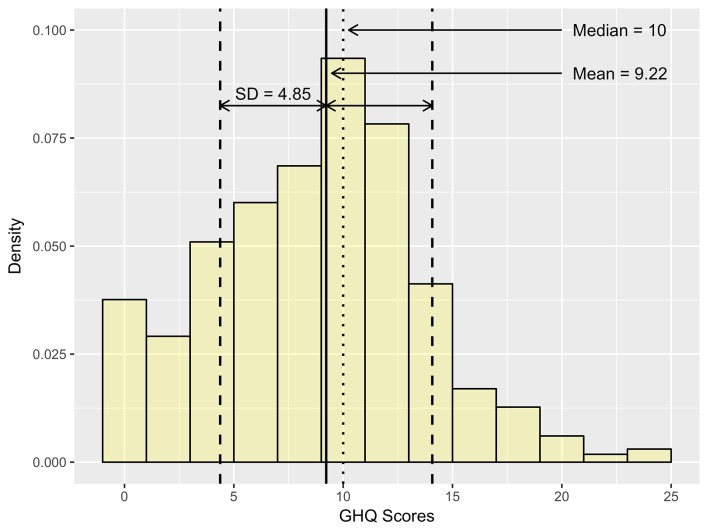
The GHQ scores (mean=9.2, SD=4.9) suggest a significant psychological morbidity among the respondents. However, each additional friend is associated with a 0.063 SD lower GHQ score (95% CI -0.106 to -0.021). Between centrality measuring the relative importance of the respondent within his social network is also associated with a 0.103 SD lower GHQ score (95% CI -0.155 to -0.051), as are other measures of social network ties. Among other factors, married respondents and recent migrants also report a better mental health status.
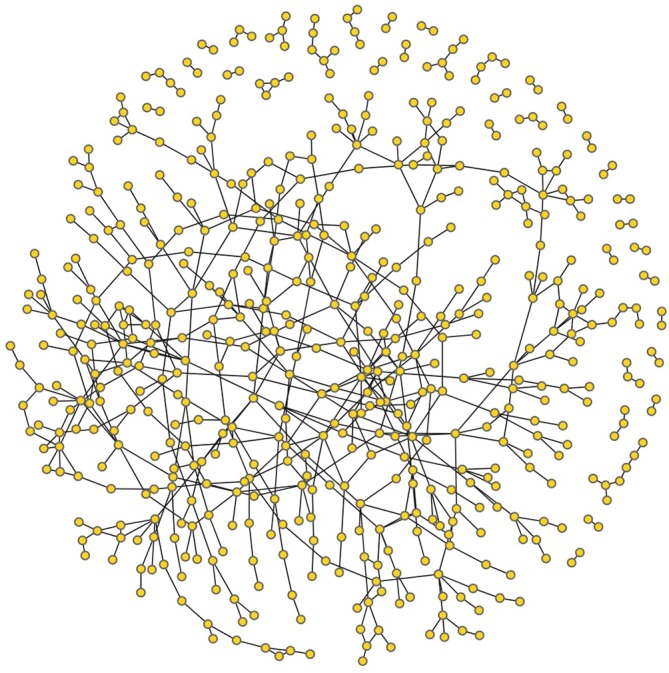
Our results underscore the importance of social connection in providing a buffer against stress and anxiety through psychosocial support from one's peers in a resource-constraint urban setting. Our findings also suggest incorporating a social network and community ties in designing mental health policies and interventions.
测试社会关系在缓解生活在贫困城市社区的年轻男性的抑郁和焦虑以及促进其心理健康方面是否发挥作用。
对居住在孟加拉国首都达卡一个城市贫民窟的所有年轻男性进行队列研究。
调查时居住在低收入城市社区的所有18 - 29岁男性(n = 824)。
使用12项一般健康问卷(GHQ - 12)测量未明确说明的心理疾病,得分越低表明心理状态越好。
GHQ得分(均值 = 9.2,标准差 = 4.9)表明受访者中存在显著的心理疾病。然而,每增加一个朋友,GHQ得分会降低0.063个标准差(95%置信区间 - 0.106至 - 0.021)。衡量受访者在其社交网络中相对重要性的中心性也与GHQ得分降低0.103个标准差(95%置信区间 - 0.155至 - 0.051)相关,社交网络关系的其他指标也是如此。在其他因素中,已婚受访者和新移民的心理健康状况也较好。
我们的结果强调了在资源有限的城市环境中,社会联系通过来自同龄人的心理社会支持为抵御压力和焦虑提供缓冲的重要性。我们的研究结果还表明,在设计心理健康政策和干预措施时应纳入社会网络和社区关系。