Vidarium-Nutrition, Health and Wellness Research Center, Grupo Empresarial Nutresa, Calle 8 sur 50-67, 050023, Medellin, Colombia.
Max Planck Institute for Developmental Biology-Max-Planck-Ring 5, 72076, Tübingen, Germany.
Sci Rep. 2018 Jul 27;8(1):11356. doi: 10.1038/s41598-018-29687-x.
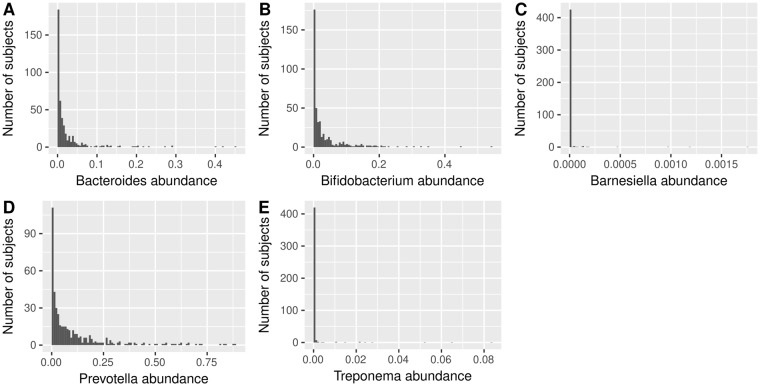
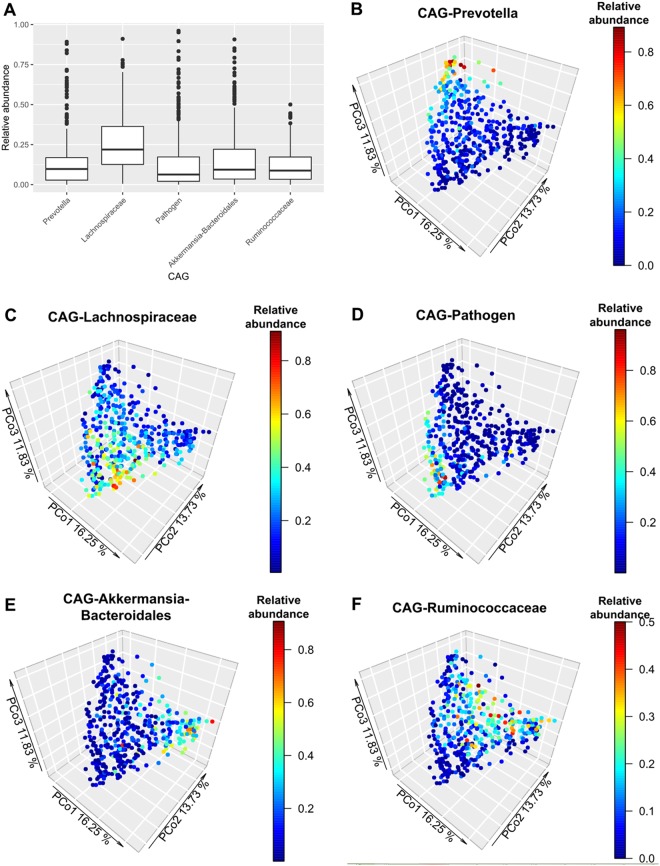
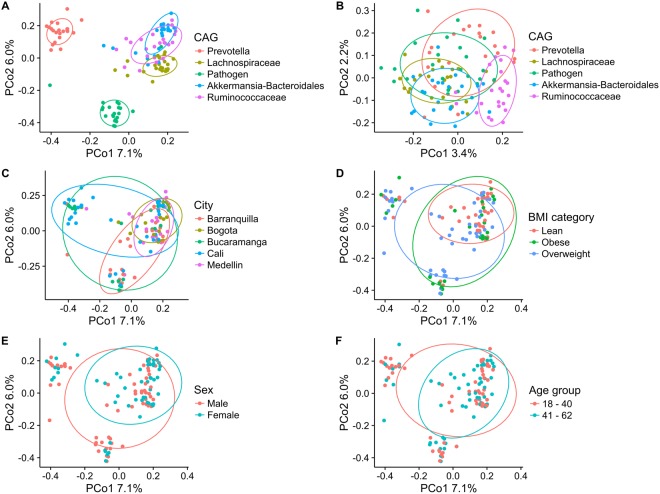
Westernization and its accompanying epidemiological transitions are associated with changes in gut microbiota. While the extremes of this lifestyle spectrum have been compared (hunter-gatherers, industrialized countries), populations undergoing such shifts have received little attention. To fill the gap of knowledge about the microbiome evolution following broad lifestyle changes and the emergence of disease-associated dysbiosis, we performed a cross-sectional study in which we characterized the microbiota of 441 Colombian adults through 16S rRNA gene sequencing and determined its relationship with demographic, health-related and dietary parameters. We showed that in the gut microbiota of this cohort thrive taxa proper of both hunter-gatherers (Prevotella, Treponema) and citizens of industrialized countries (Bacteroides, Bifidobacterium, Barnesiella); the relative abundances of these taxa differed from those in Western and non-Western populations. We also showed that the Colombian gut microbiota is composed of five consortia of co-abundant microorganisms that are differentially associated with lifestyle, obesity and cardiometabolic disease, and highlighted metabolic pathways that might explain associations between microbiota and host health. Our results give insights into the evolution of the gut microbiota, and underscore the importance of this community to human health. Promoting the growth of specific microbial consortia could help ameliorating physiological conditions associated with Western lifestyles.
西方化及其伴随的流行病学转变与肠道微生物群的变化有关。虽然这种生活方式的极端情况已经被比较过(狩猎采集者、工业化国家),但经历这种转变的人群却很少受到关注。为了填补关于广泛生活方式改变和与疾病相关的生态失调出现后微生物组进化的知识空白,我们进行了一项横断面研究,通过 16S rRNA 基因测序对 441 名哥伦比亚成年人的微生物组进行了特征描述,并确定了其与人口统计学、健康相关和饮食参数的关系。我们表明,在该队列的肠道微生物组中,大量存在于狩猎采集者(普雷沃氏菌、密螺旋体)和工业化国家公民(拟杆菌、双歧杆菌、Barnesiella)中的分类群茁壮成长;这些分类群的相对丰度与西方和非西方人群中的丰度不同。我们还表明,哥伦比亚的肠道微生物组由五个共丰富微生物体的联合体组成,这些联合体与生活方式、肥胖和心血管代谢疾病有不同的关联,并强调了可能解释微生物组与宿主健康之间关联的代谢途径。我们的研究结果深入了解了肠道微生物组的进化,并强调了该社区对人类健康的重要性。促进特定微生物联合体的生长可能有助于改善与西方生活方式相关的生理状况。