Department of Intensive Care Medicine, University Hospital RWTH, D-52074 Aachen, Germany.
Department of Anesthesiology, University Hospital RWTH, D-52074 Aachen, Germany.
Nutrients. 2018 Jul 27;10(8):974. doi: 10.3390/nu10080974.
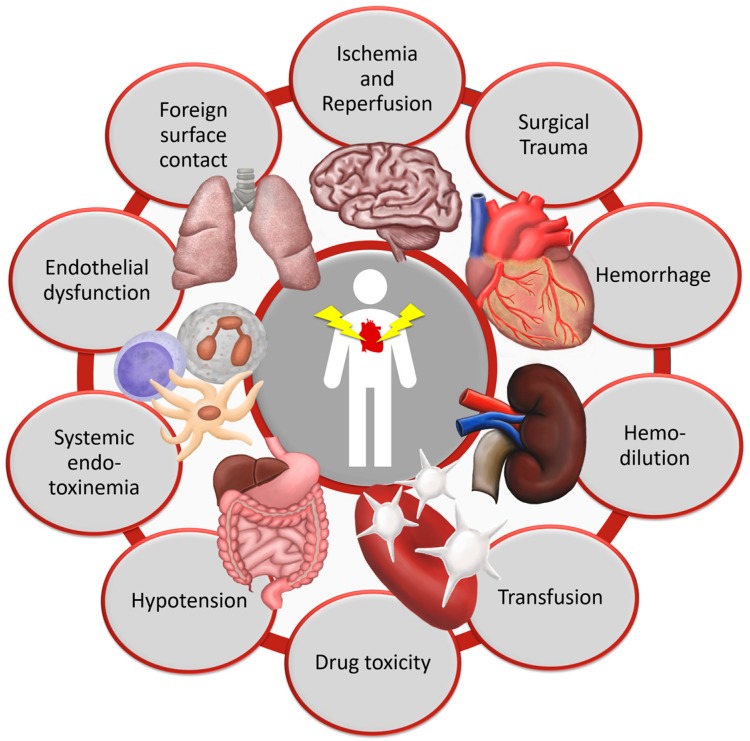
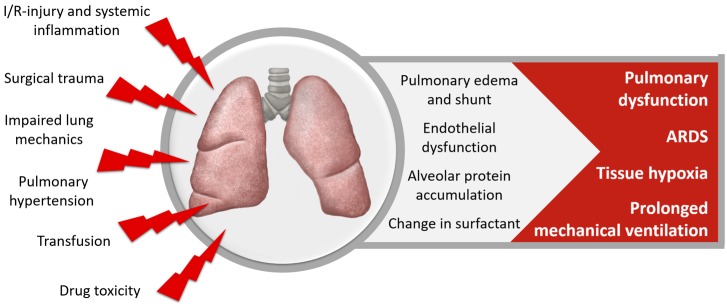
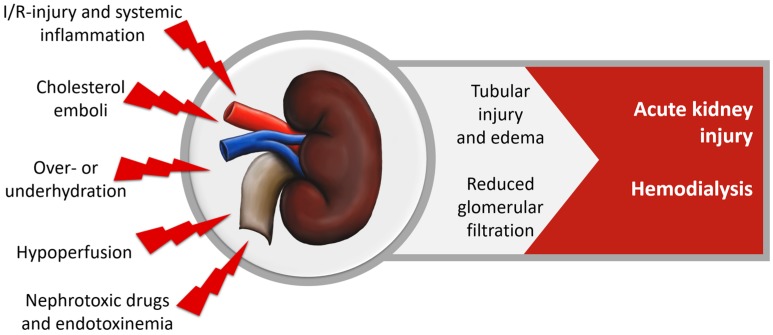
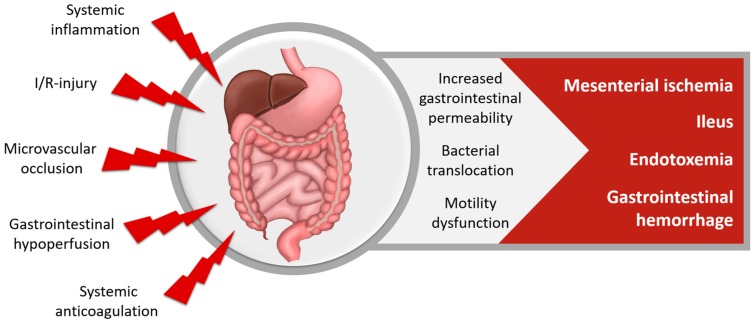
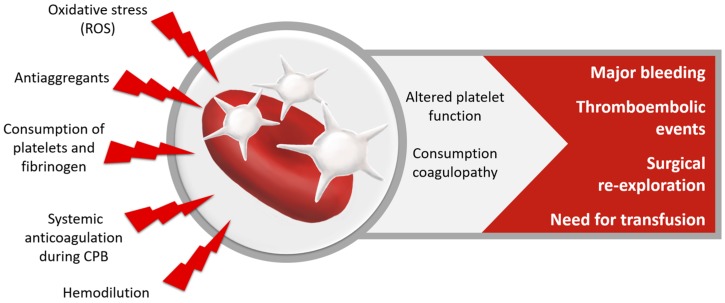
The pleiotropic biochemical and antioxidant functions of vitamin C have sparked recent interest in its application in intensive care. Vitamin C protects important organ systems (cardiovascular, neurologic and renal systems) during inflammation and oxidative stress. It also influences coagulation and inflammation; its application might prevent organ damage. The current evidence of vitamin C's effect on pathophysiological reactions during various acute stress events (such as sepsis, shock, trauma, burn and ischemia-reperfusion injury) questions whether the application of vitamin C might be especially beneficial for cardiac surgery patients who are routinely exposed to ischemia/reperfusion and subsequent inflammation, systematically affecting different organ systems. This review covers current knowledge about the role of vitamin C in cardiac surgery patients with focus on its influence on organ dysfunctions. The relationships between vitamin C and clinical health outcomes are reviewed with special emphasis on its application in cardiac surgery. Additionally, this review pragmatically discusses evidence on the administration of vitamin C in every day clinical practice, tackling the issues of safety, monitoring, dosage, and appropriate application strategy.
维生素 C 的多种生化和抗氧化功能引起了人们对其在重症监护中应用的兴趣。维生素 C 在炎症和氧化应激期间保护重要的器官系统(心血管、神经和肾脏系统)。它还影响凝血和炎症;其应用可能预防器官损伤。目前关于维生素 C 对各种急性应激事件(如败血症、休克、创伤、烧伤和缺血再灌注损伤)期间病理生理反应的证据质疑维生素 C 的应用是否对常规暴露于缺血/再灌注和随后的炎症、系统地影响不同器官系统的心脏手术患者特别有益。这篇综述涵盖了关于维生素 C 在心脏手术患者中的作用的最新知识,重点是其对器官功能障碍的影响。综述了维生素 C 与临床健康结果之间的关系,特别强调了其在心脏手术中的应用。此外,本综述还从安全性、监测、剂量和适当的应用策略等方面实际讨论了维生素 C 在日常临床实践中的应用问题。