Lin I-Hsuan, Chang Junn-Liang, Hua Kate, Huang Wan-Chen, Hsu Ming-Ta, Chen Yi-Fan
VYM Genome Research Center, National Yang-Ming University, Taipei, 112, Taiwan.
Department of Pathology & Laboratory Medicine, Taoyuan Armed Forces General Hospital, Taoyuan, 325, Taiwan.
BMC Genet. 2018 Aug 8;19(1):55. doi: 10.1186/s12863-018-0660-5.
Aging leads to decreased skeletal muscle function in mammals and is associated with a progressive loss of muscle mass, quality and strength. Age-related muscle loss (sarcopenia) is an important health problem associated with the aged population.
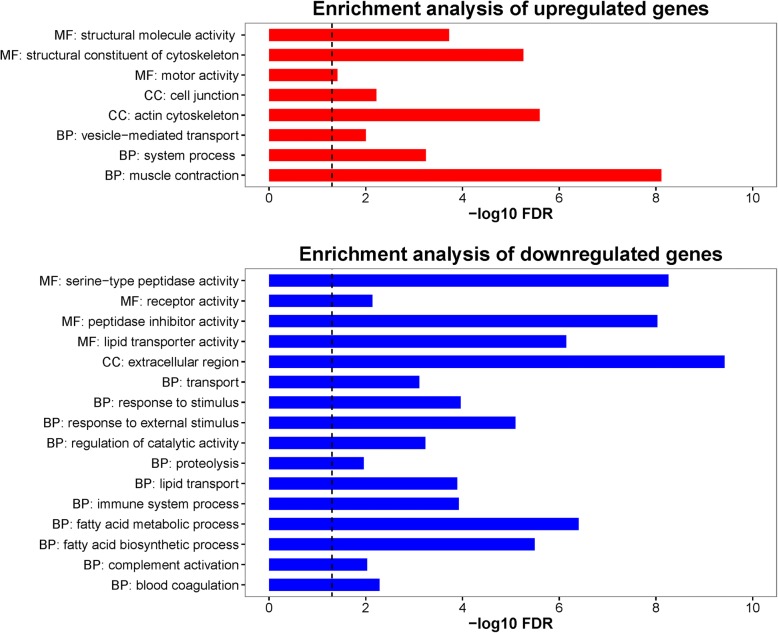
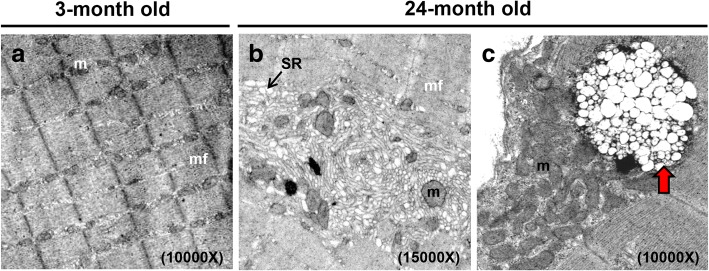
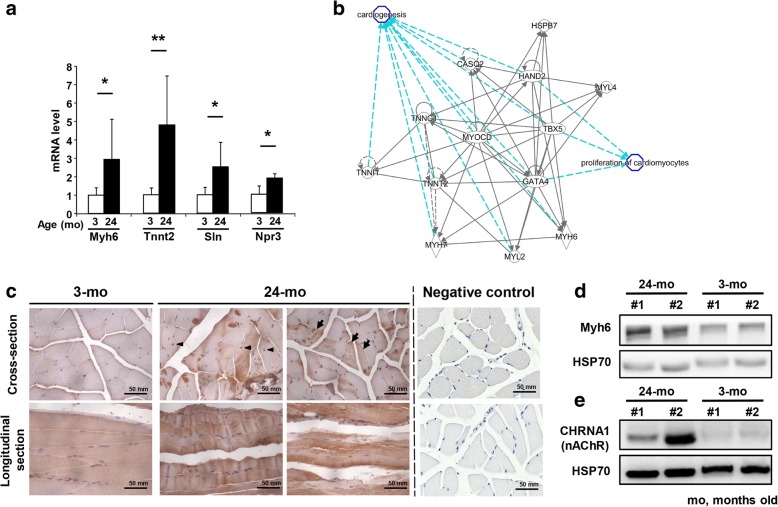
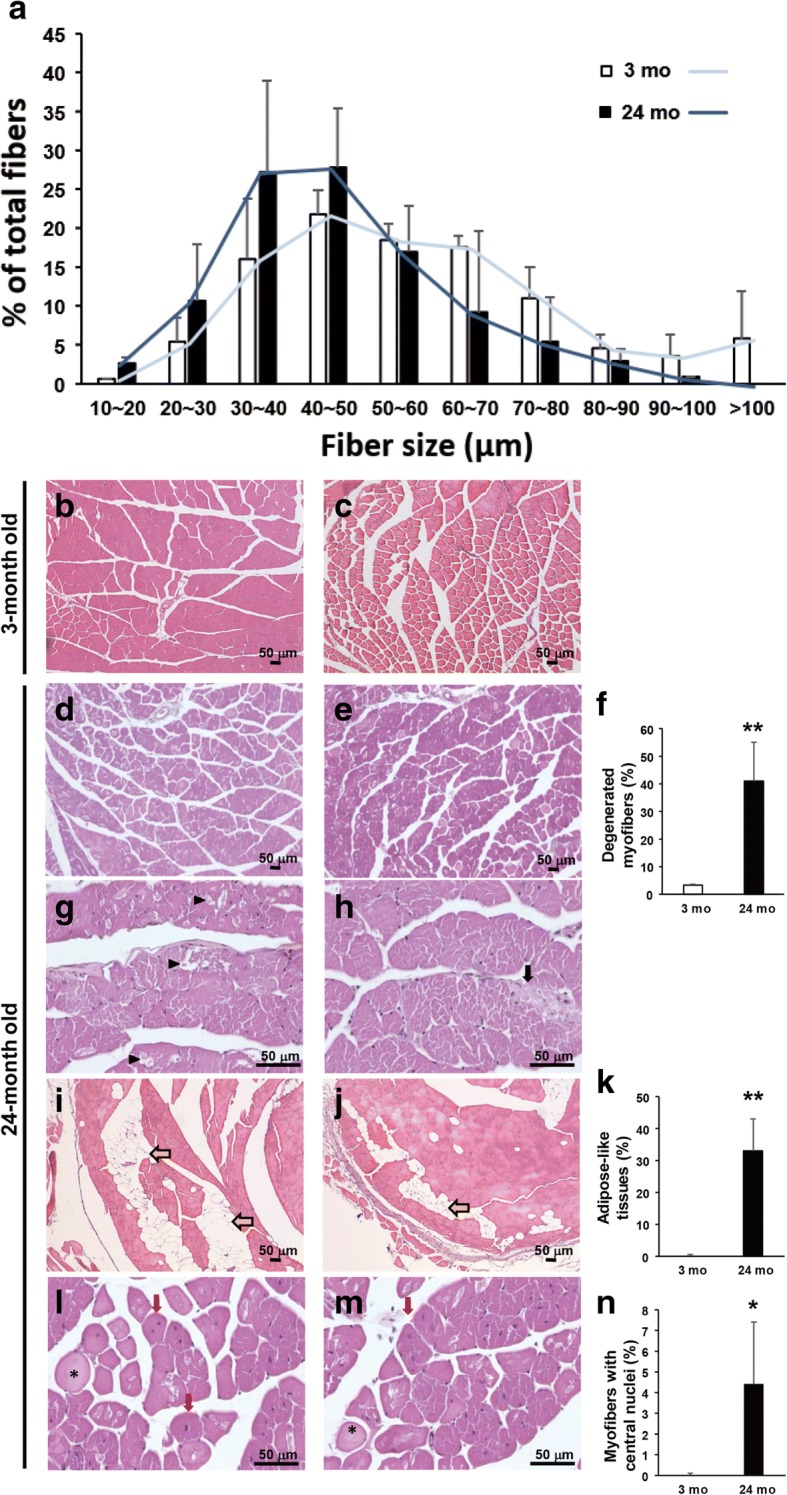
We investigated the alteration of genome-wide transcription in mouse skeletal muscle tissue (rectus femoris muscle) during aging using a high-throughput sequencing technique. Analysis revealed significant transcriptional changes between skeletal muscles of mice at 3 (young group) and 24 (old group) months of age. Specifically, genes associated with energy metabolism, cell proliferation, muscle myosin isoforms, as well as immune functions were found to be altered. We observed several interesting gene expression changes in the elderly, many of which have not been reported before.
Those data expand our understanding of the various compensatory mechanisms that can occur with age, and further will assist in the development of methods to prevent and attenuate adverse outcomes of aging.
衰老导致哺乳动物骨骼肌功能下降,并与肌肉质量、品质和力量的逐渐丧失相关。与年龄相关的肌肉流失(肌肉减少症)是一个与老年人群相关的重要健康问题。
我们使用高通量测序技术研究了衰老过程中小鼠骨骼肌组织(股直肌)全基因组转录的变化。分析显示,3个月龄(年轻组)和24个月龄(老年组)小鼠的骨骼肌之间存在显著的转录变化。具体而言,发现与能量代谢、细胞增殖、肌肉肌球蛋白同工型以及免疫功能相关的基因发生了改变。我们在老年人中观察到了一些有趣的基因表达变化,其中许多以前尚未见报道。
这些数据扩展了我们对衰老过程中可能出现的各种代偿机制的理解,并将进一步有助于开发预防和减轻衰老不良后果的方法。