CSIRO Data61, Castray Esplanade, Hobart, Tasmania, Australia.
Skytruth, Shepherdstown, West Virginia, United States of America.
PLoS One. 2018 Aug 9;13(8):e0201640. doi: 10.1371/journal.pone.0201640. eCollection 2018.
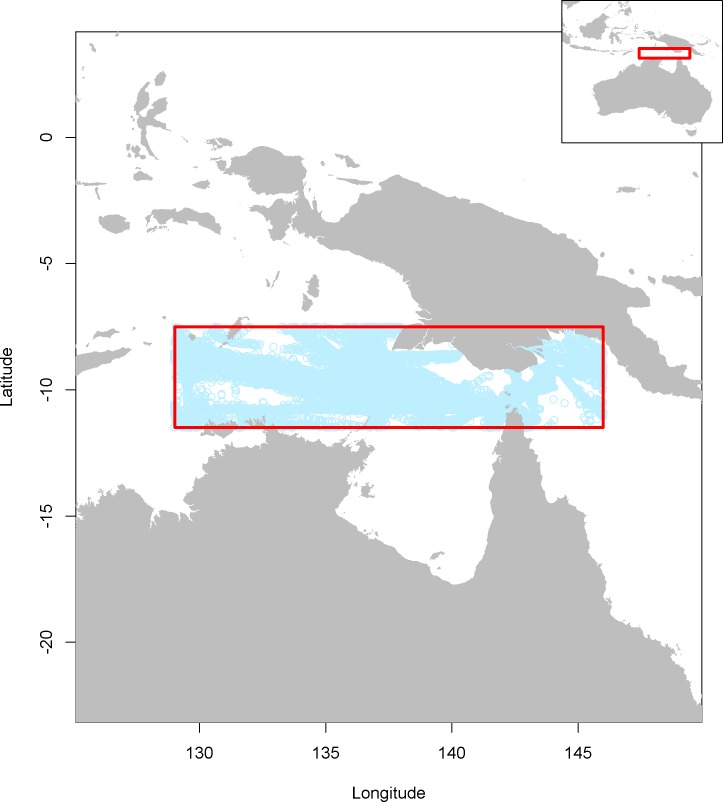
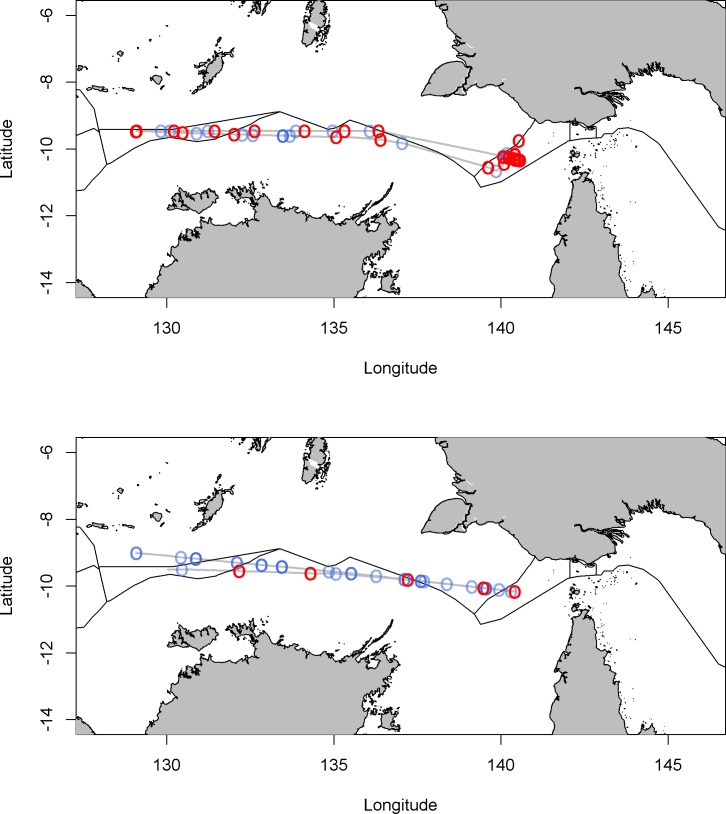
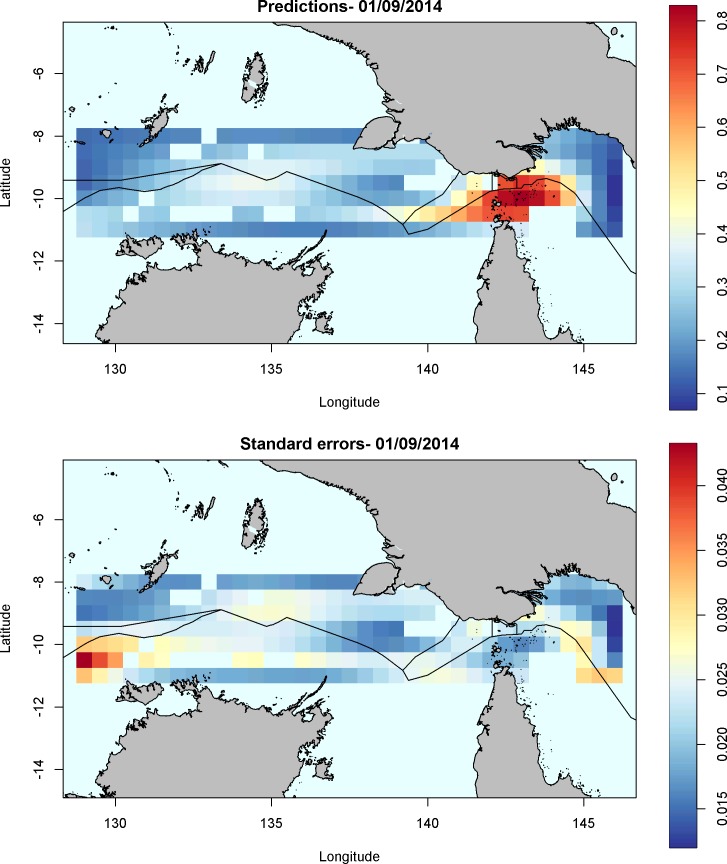
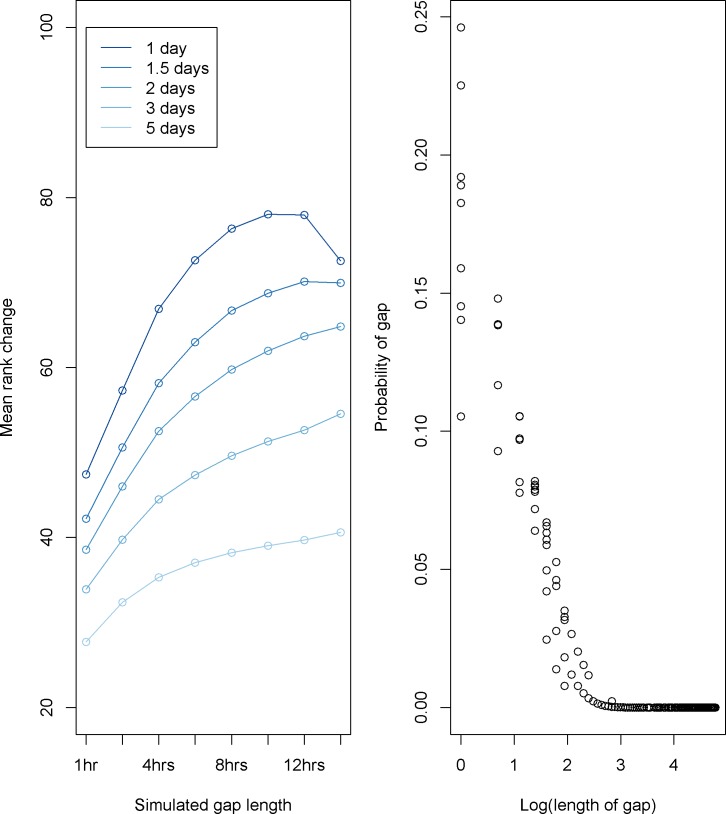
Automatic Identification Systems (AIS) are a standard feature of ocean-going vessels, designed to allow vessels to notify each other of their position and route, to reduce collisions. Increasingly, the system is being used to monitor vessels remotely, particularly with the advent of satellite receivers. One fundamental problem with AIS transmission is the issue of gaps in transmissions. Gaps occur for three basic reasons: 1) saturation of the system in locations with high vessel density; 2) poor quality transmissions due to equipment on the vessel or receiver; and 3) intentional disabling of AIS transmitters. Resolving which of these mechanisms is responsible for generating gaps in transmissions from a given vessel is a critical task in using AIS to remotely monitor vessels. Moreover, separating saturation and equipment issues from intentional disabling is a key issue, as intentional disabling is a useful risk factor in predicting illicit behaviors such as illegal fishing. We describe a spatial statistical model developed to identify gaps in AIS transmission, which allows calculation of the probability that a given gap is due to intentional disabling. The model we developed successfully identifies high risk gaps in the test case example in the Arafura Sea. Simulations support that the model is sensitive to frequent gaps as short as one hour. Results in this case study area indicate expected high risk vessels were ranked highly for risk of intentional disabling of AIS transmitters. We discuss our findings in the context of improving enforcement opportunities to reduce illicit activities at sea.
自动识别系统 (AIS) 是远洋船舶的标准功能,旨在允许船舶相互通知其位置和航线,以减少碰撞。该系统越来越多地被用于远程监控船舶,特别是随着卫星接收器的出现。AIS 传输的一个基本问题是传输中断的问题。中断的原因有三个基本原因:1) 在船舶密度高的地方系统饱和;2) 由于船舶或接收器上的设备,传输质量差;3) 故意禁用 AIS 发射器。确定这些机制中的哪一个是导致从给定船舶传输中断的原因,是使用 AIS 远程监控船舶的关键任务。此外,将饱和和设备问题与故意禁用区分开来是一个关键问题,因为故意禁用是预测非法行为(如非法捕鱼)的有用风险因素。我们描述了一种空间统计模型,该模型用于识别 AIS 传输中的间隙,可以计算给定间隙是由于故意禁用引起的概率。我们开发的模型成功地识别了阿拉弗拉海测试案例中的高风险间隙。模拟支持该模型对短至一小时的频繁间隙很敏感。在该案例研究区域的结果表明,预期高风险船舶在故意禁用 AIS 发射器方面的风险排名很高。我们在改善执法机会以减少海上非法活动的背景下讨论了我们的发现。