Zhang Guo-Liang, Song Jun-Lin, Ji Chuan-Liang, Feng Yu-Long, Yu Jie, Nyachoti Charles M, Yang Gong-She
College of Animal Science and Technology, Northwest A&F University, Yangling, China.
National Engineering Research Center for Gelatin-based Traditional Chinese Medicine, Dong-E-E-Jiao Co., Ltd., Liaocheng, China.
Front Genet. 2018 Jul 31;9:293. doi: 10.3389/fgene.2018.00293. eCollection 2018.
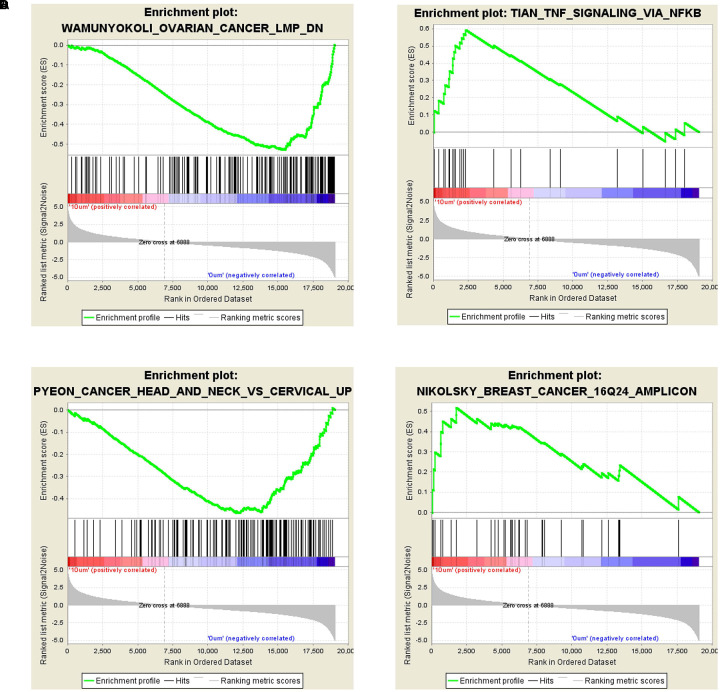
Zearalenone (ZEA) is a natural contaminant existing in food and feed products that exhibits a negative effect on domestic animals' reproduction. Donkeys possess high economic value in China and are at risk of exposure to ZEA. However, few information is available on ZEA-induced toxicity and no report on toxicity in donkeys can be found in scientific literature. We investigated the biological effects of ZEA exposure on donkey granulosa cells (dGCs) by using RNA-seq analysis. ZEA at 10 and 30 μM were administered to GCs within 72 h of culture. ZEA at 10 μM significantly altered the tumorigenesis associated genes in dGCs. Exposure to 10 and 30 μM ZEA treatment significantly reduced mRNA expression of , β, , and genes, particularly, the ZEA treatment significantly increased the expression of and genes. Furthermore, immunofluorescence, RT-qPCR, and Western blot analysis verified the gene expression of ZEA-exposed GCs. Collectively, these results demonstrated the deleterious effect of ZEA exposure on the induction of ovarian cancer related genes via the // signaling pathway in dGCs .
玉米赤霉烯酮(ZEA)是一种存在于食品和饲料产品中的天然污染物,对家畜繁殖具有负面影响。在中国,驴具有很高的经济价值,且有接触ZEA的风险。然而,关于ZEA诱导的毒性的信息很少,科学文献中也没有关于驴毒性的报道。我们通过RNA测序分析研究了ZEA暴露对驴颗粒细胞(dGCs)的生物学效应。在培养72小时内,将10和30μM的ZEA施用于颗粒细胞。10μM的ZEA显著改变了dGCs中与肿瘤发生相关的基因。暴露于10和30μM ZEA处理显著降低了 、β、 和 基因的mRNA表达,特别是ZEA处理显著增加了 和 基因的表达。此外,免疫荧光、RT-qPCR和蛋白质印迹分析验证了ZEA暴露的颗粒细胞的基因表达。总的来说,这些结果证明了ZEA暴露通过dGCs中的//信号通路对卵巢癌相关基因的诱导具有有害作用。