Department of Emergency Medicine, the Baoan Hospital affiliated with Southern Medical University, People's Hospital of Baoan District of Shenzhen, No. 118, Longjing, Baoan District, Shenzhen, 518101, China.
BMC Geriatr. 2018 Aug 22;18(1):188. doi: 10.1186/s12877-018-0878-0.
Previous cohort studies investigating the association between sarcopenia and the risk of hospitalization have been inconsistent. We performed a meta-analysis to determine if sarcopenia is a predictor of hospitalization.
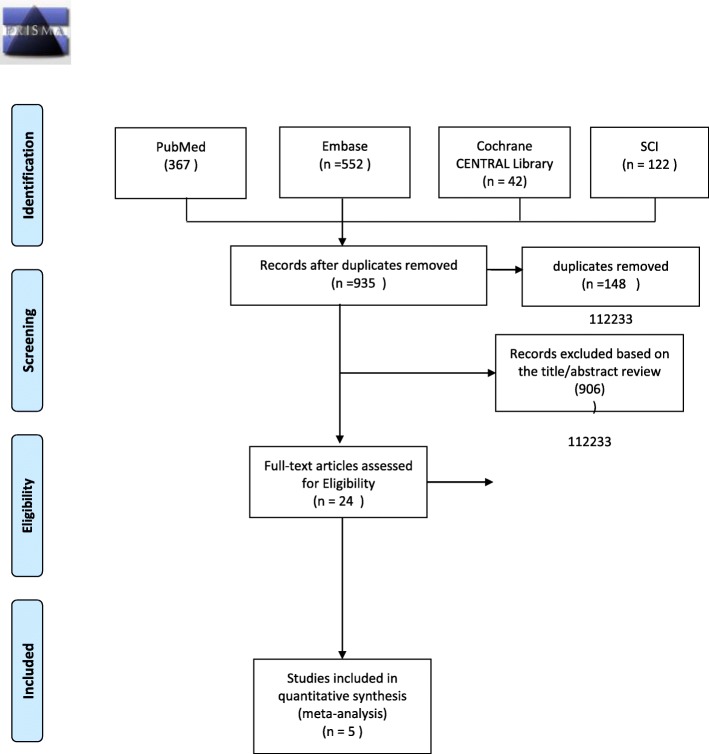
Prospective cohort studies that evaluated the association between sarcopenia and hospitalization in older people were identified via a systematic search of four electronic databases (PubMed, EMBASE, Science Citation Index, and the Cochrane Library). A random-effect model was applied to combine the results according to the heterogeneity of the included studies.
Five studies (2832 participants) were included in this meta-analysis. Pooled results demonstrated that older people with sarcopenia were at an increased risk of hospitalization (pooled hazards ratio [HR] = 1.57, 95% confidence interval [CI] = 1.26, 1.94, I = 4.5%, P = 0.000) compared to those without sarcopenia. Results of subgroup analyses showed that hospitalized patients with sarcopenia had a higher rate of hospitalization (HR = 2.01, 95% CI = 1.41, 2.88, p = 0.000) versus patients without sarcopenia. A similar result was also found in community-dwelling older people with sarcopenia versus those without sarcopenia (HR = 1.40, 95% CI = 1.05, 1.88, p = 0.023). In addition, the subgroup analysis for length of follow-up showed that studies with a follow-up period of 3 years or more (pooled HR = 1.52, 95% CI = 1.19, 1.94, P = 0.001) reported a significantly higher rate of hospitalization among individuals with sarcopenia compared to those without sarcopenia. However, this association was not found in the studies with a follow-up period of less than 3 years (pooled HR = 1.76, 95% CI = 0.90, 3.44, P = 0.099).
Sarcopenia is a significant predictor of hospitalization among older individuals, and the association may not be significantly affected by the characteristics of the population or the definition of sarcopenia.
先前的队列研究调查了肌少症与住院风险之间的关系,但结果并不一致。我们进行了一项荟萃分析,以确定肌少症是否是住院的预测因素。
通过系统检索四个电子数据库(PubMed、EMBASE、科学引文索引和 Cochrane 图书馆),确定了评估老年人肌少症与住院之间关系的前瞻性队列研究。根据纳入研究的异质性,采用随机效应模型对结果进行合并。
这项荟萃分析纳入了五项研究(2832 名参与者)。汇总结果表明,与无肌少症的老年人相比,有肌少症的老年人住院风险增加(汇总风险比[HR] = 1.57,95%置信区间[CI] = 1.26,1.94,I = 4.5%,P = 0.000)。亚组分析结果显示,有肌少症的住院患者的住院率高于无肌少症的患者(HR = 2.01,95%CI = 1.41,2.88,p = 0.000)。在社区居住的有肌少症的老年人与无肌少症的老年人相比,也出现了类似的结果(HR = 1.40,95%CI = 1.05,1.88,p = 0.023)。此外,对随访时间的亚组分析表明,随访时间为 3 年或以上的研究(汇总 HR = 1.52,95%CI = 1.19,1.94,P = 0.001)报告肌少症患者的住院率明显高于无肌少症患者。然而,在随访时间小于 3 年的研究中未发现这种关联(汇总 HR = 1.76,95%CI = 0.90,3.44,P = 0.099)。
肌少症是老年人住院的一个重要预测因素,这种关联可能不受人群特征或肌少症定义的显著影响。