Vilcacundo Rubén, Barrio Daniel Alejandro, Piñuel Lucrecia, Boeri Patricia, Tombari Andrea, Pinto Adelita, Welbaum James, Hernández-Ledesma Blanca, Carrillo Wilman
Laboratory of Functional Foods, Faculty of Foods Sciences and Engineering, Technical University of Ambato, Av. Los Chasquis y Rio Payamino, Campus Huachi, Ambato 1801334, Ecuador.
CIT-RIO NEGRO Sede Atlántica, Universidad Nacional de Rio Negro (UNRN-CONICET), Don Bosco y Leloir s/n CP 8500, Rio Negro Viedma, Argentina.
Plants (Basel). 2018 Sep 2;7(3):69. doi: 10.3390/plants7030069.
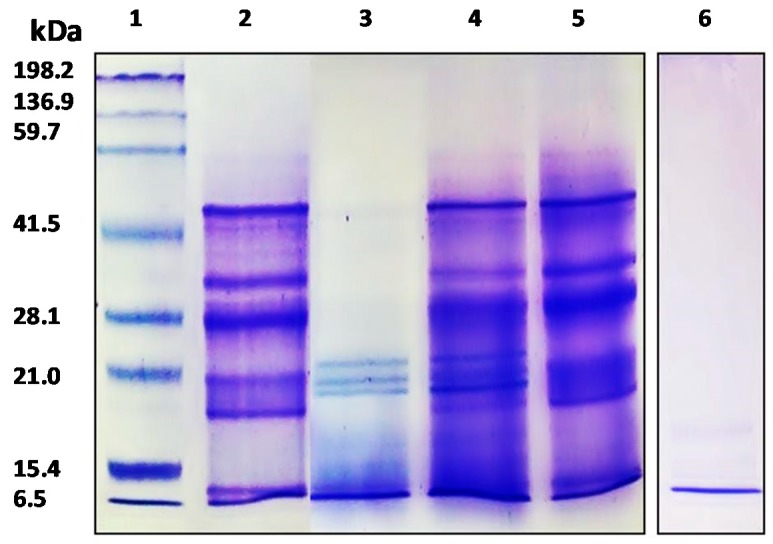
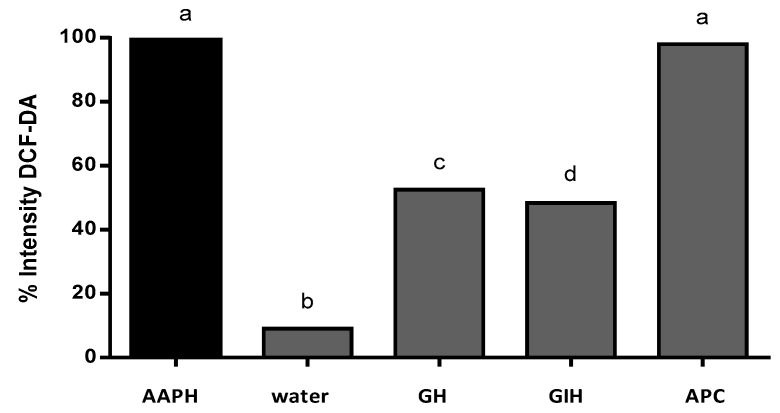
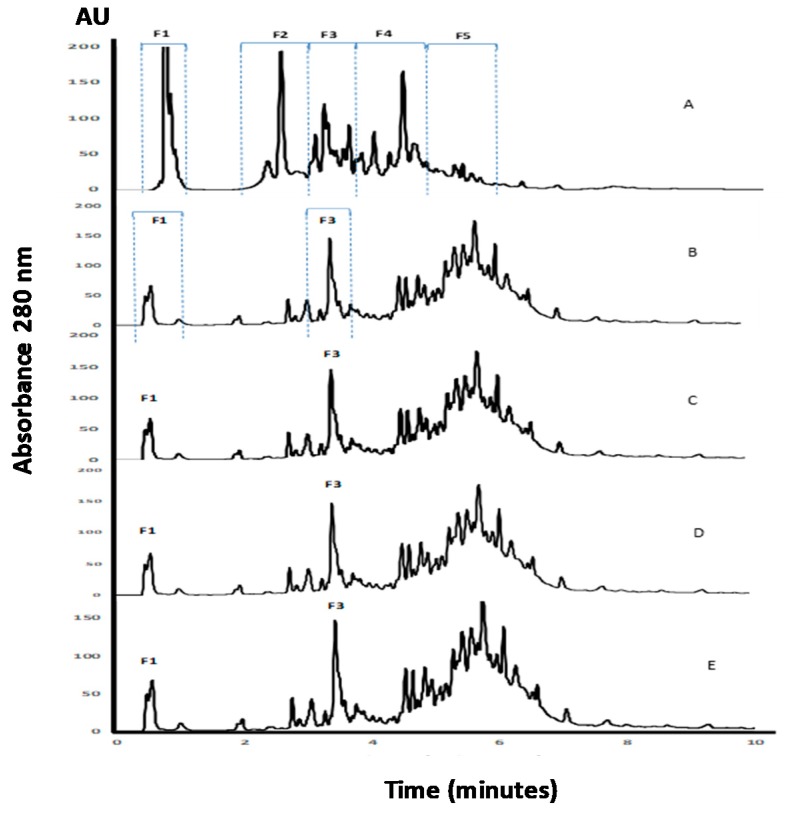
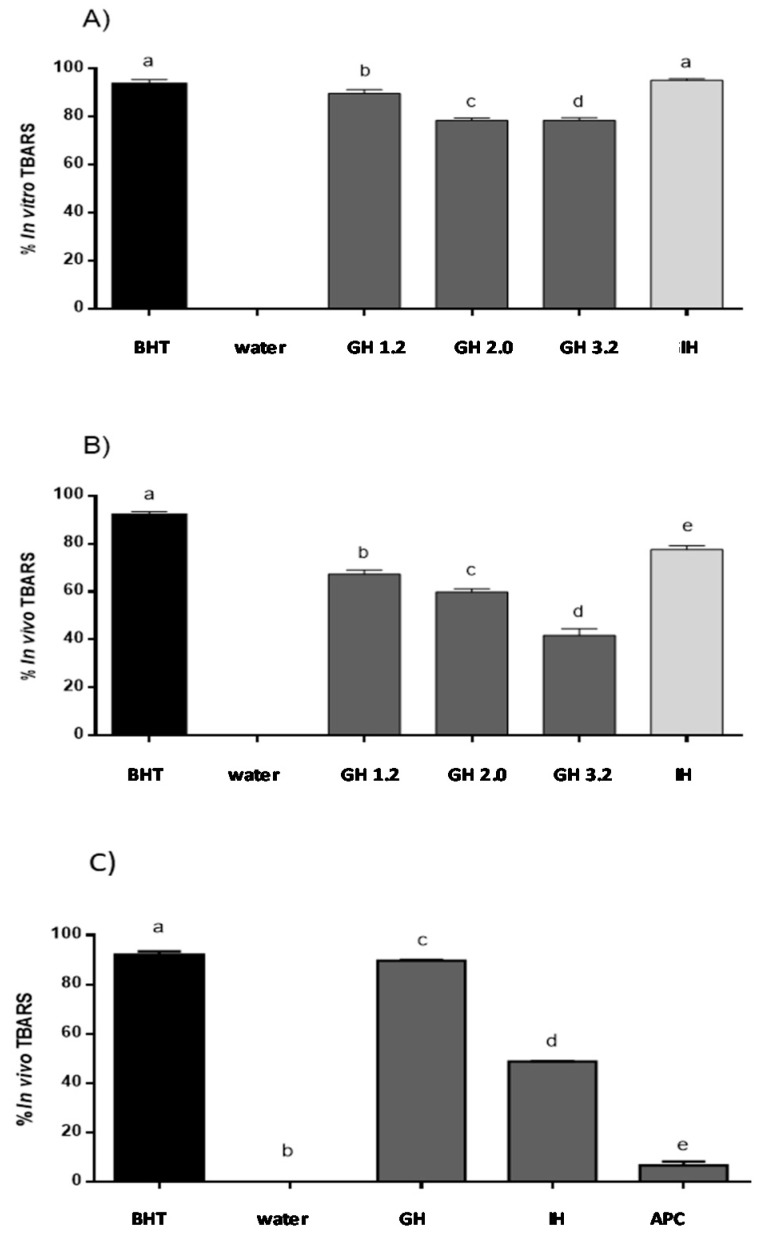
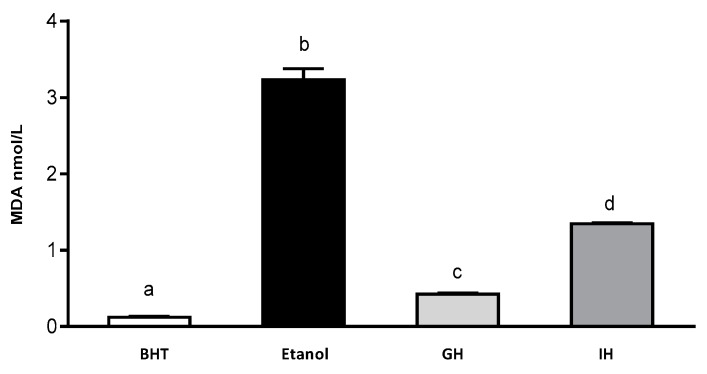
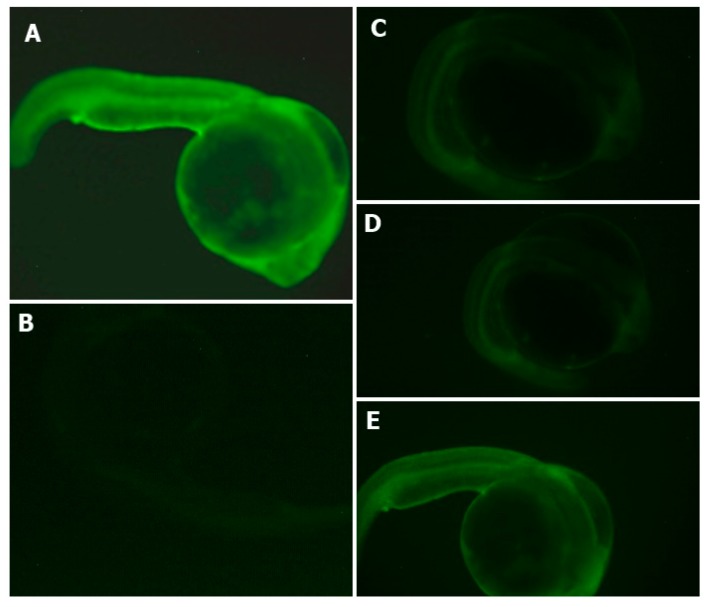
Amaranth protein concentrate (APC) was hydrolyzed under in vitro gastrointestinal conditions. APC proteins were partially degraded by pepsin at pHs 1.2, 2.0, and 3.2. During the intestinal phase (pepsin/pancreatin enzymes at pH 7.0), no polypeptide bands were observed in the gel, suggesting the susceptibility of amaranth proteins to the action of digestive enzymes. The potent in vitro inhibition of lipid peroxidation, shown by the gastric and intestinal digests, was confirmed in the zebrafish larvae, with a 72.86% reduction in oxidation of lipids in the presence of the gastric hydrolysate at pH 2.0, compared to a 95.72% reduction in the presence of the gastrointestinal digest. APC digests were capable of reducing reactive oxygen species (ROS) production in the zebrafish embryo model with a value of fluorescence of 52.5% for the gastric hydrolysate, and 48.4% for the intestinal hydrolysate.
苋菜浓缩蛋白(APC)在体外胃肠道条件下进行水解。在pH值为1.2、2.0和3.2时,胃蛋白酶可使APC蛋白部分降解。在肠道阶段(pH值为7.0时的胃蛋白酶/胰酶),凝胶中未观察到多肽条带,这表明苋菜蛋白对消化酶的作用敏感。胃和肠道消化物对脂质过氧化具有显著的体外抑制作用,在斑马鱼幼体中得到证实,与胃肠道消化物存在时脂质氧化降低95.72%相比,在pH值为2.0的胃水解物存在时,脂质氧化降低了72.86%。APC消化物能够降低斑马鱼胚胎模型中活性氧(ROS)的产生,胃水解物的荧光值降低了52.5%,肠道水解物的荧光值降低了48.4%。