Wang Haoli, Wu Yanqing, Han Wen, Li Jiawei, Xu Kebin, Li Zhengmao, Wang Qingqing, Xu Ke, Liu Yanlong, Xie Ling, Wu Jiang, He Huacheng, Xu Huazi, Xiao Jian
Department of Orthopaedics, The Second Affiliated Hospital and Yuying Children's Hospital of Wenzhou Medical University, Wenzhou, China.
Molecular Pharmacology Research Center, School of Pharmaceutical Science, Wenzhou Medical University, Wenzhou, China.
Front Pharmacol. 2018 Aug 28;9:858. doi: 10.3389/fphar.2018.00858. eCollection 2018.
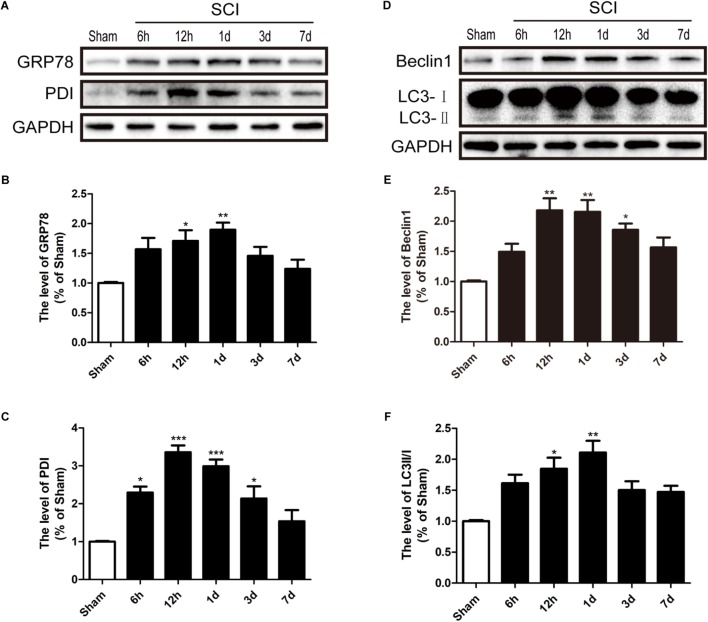
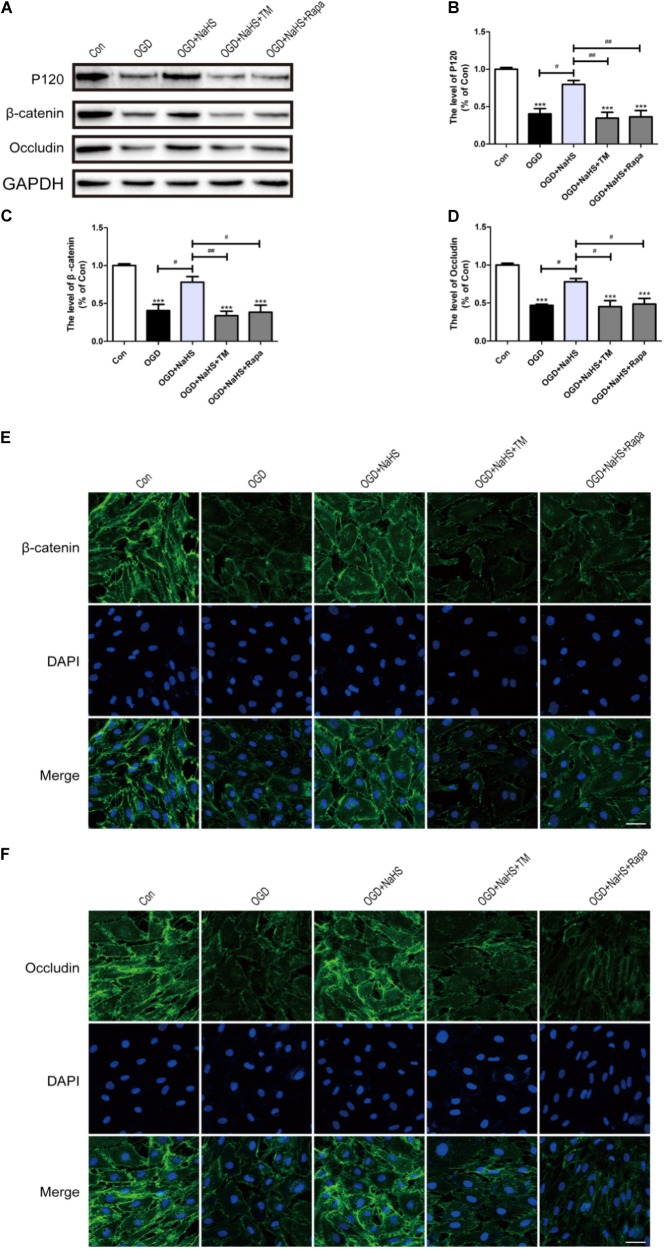
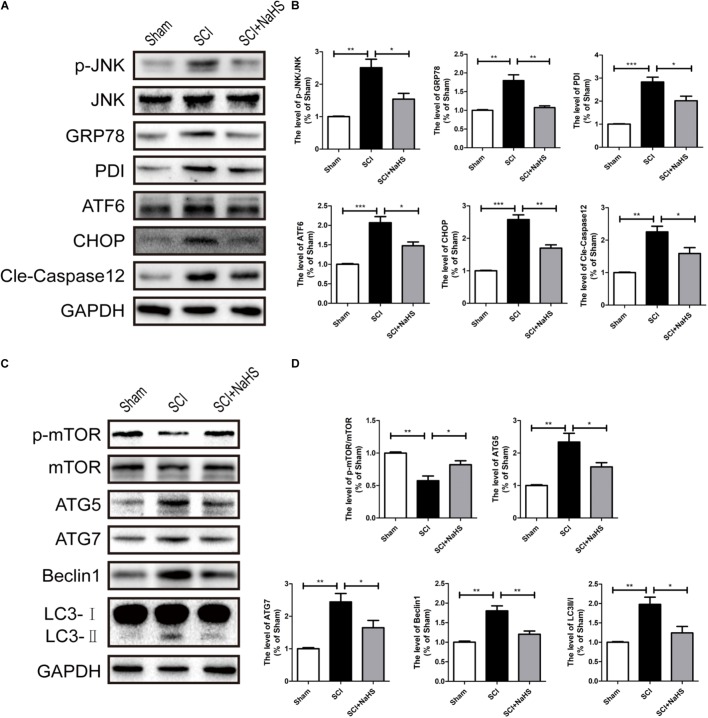
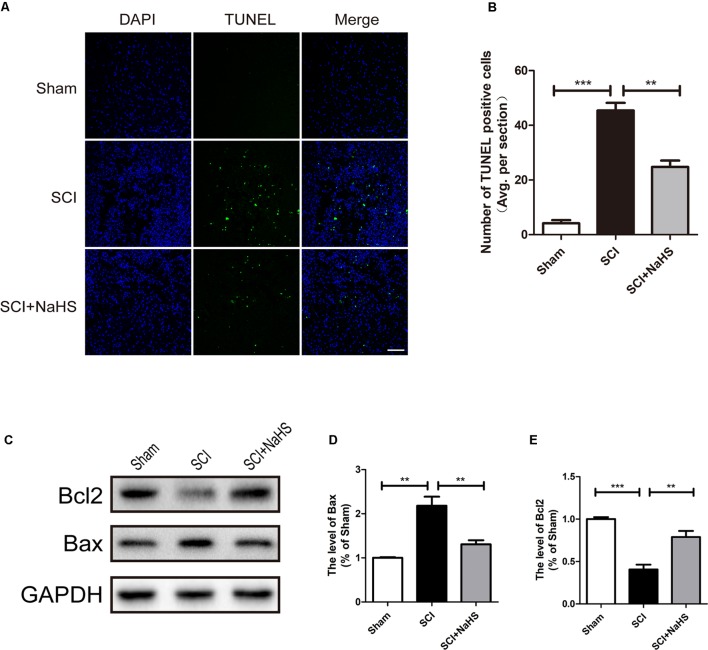
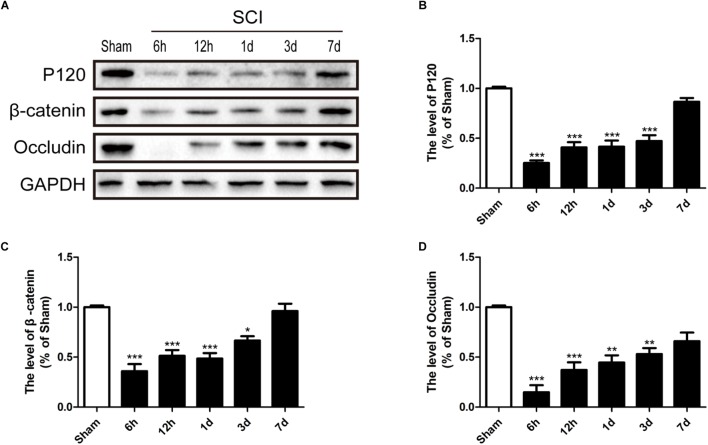
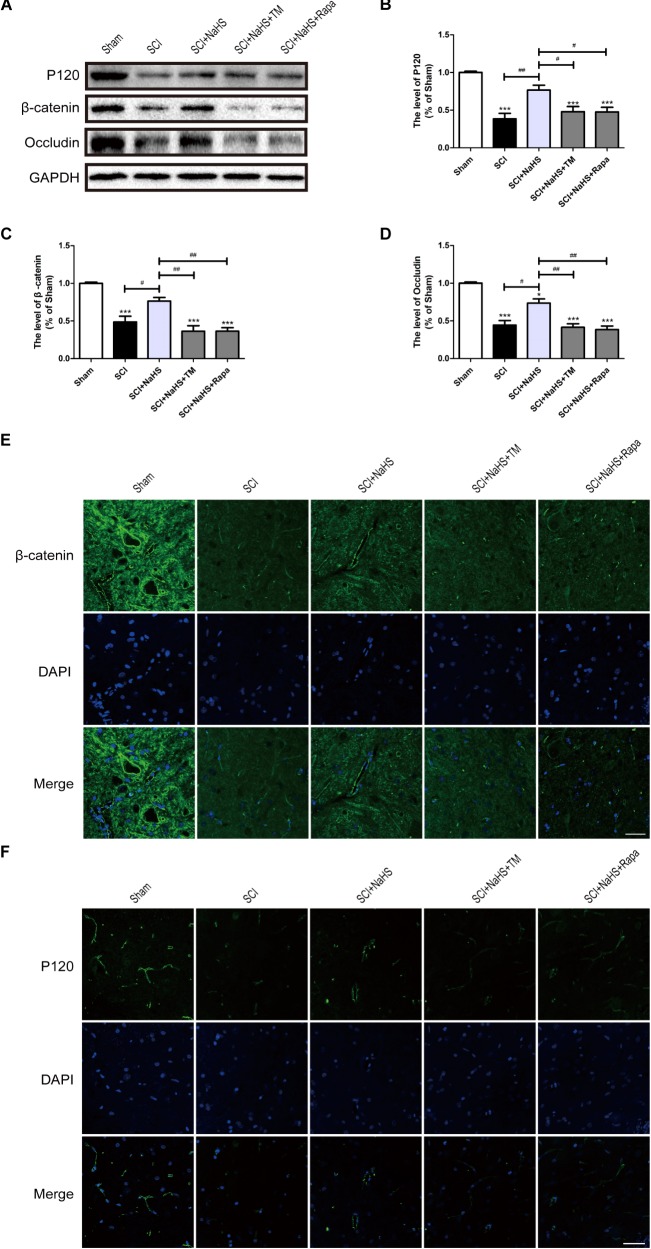
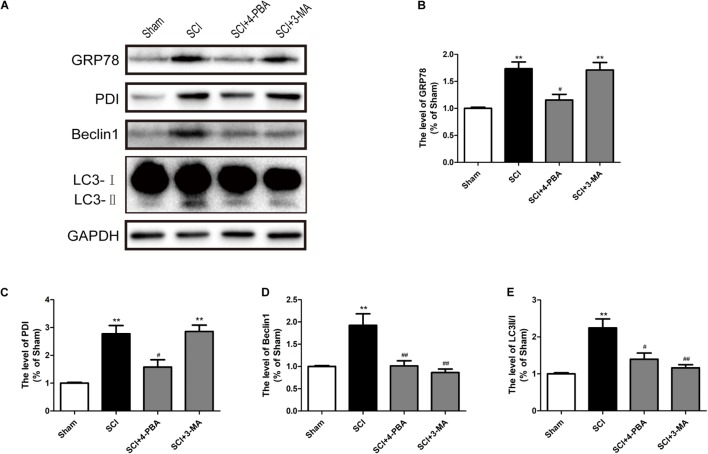
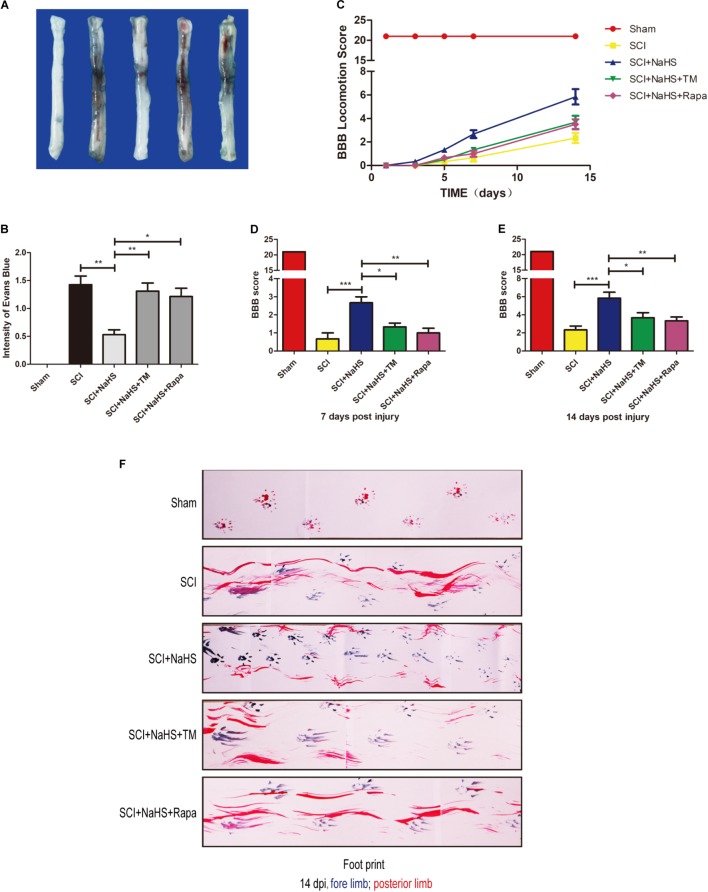
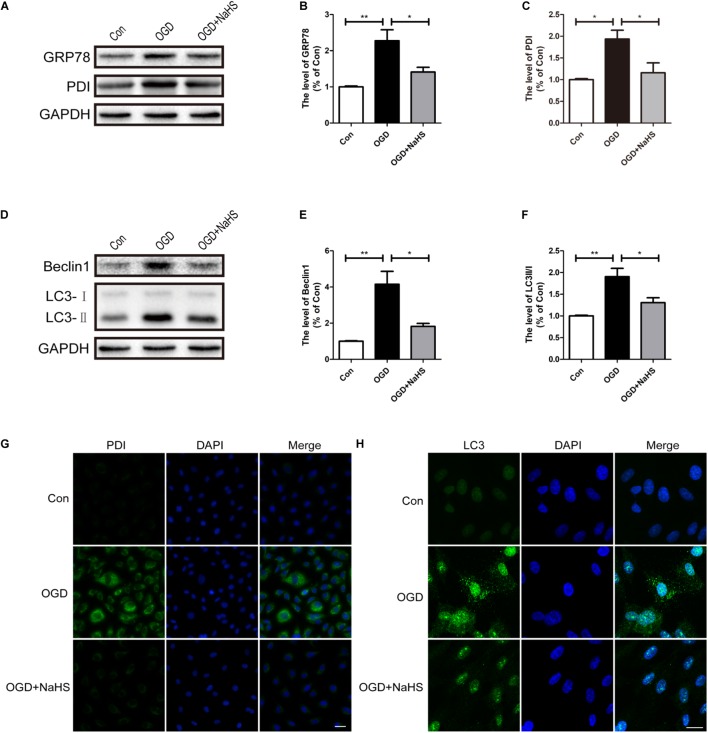
Spinal cord injury (SCI) induces the disruption of blood-spinal cord barrier (BSCB), which elicits neurological deficits by triggering secondary injuries. Hydrogen sulfide (HS) is a gaseous mediator that has been reported to have neuroprotective effect in the central nervous system. However, the relationship between HS and BSCB disruption during SCI remains unknown. Therefore, it is interesting to evaluate whether the administration of NaHS, a HS donor, can protect BSCB integrity against SCI and investigate the potential mechanisms underlying it. In present study, we found that SCI markedly activated endoplasmic reticulum (ER) stress and autophagy in a rat model of complete crushing injury to the spinal cord at T9 level. NaHS treatment prevented the loss of tight junction (TJ) and adherens junction (AJ) proteins both and . However, the protective effect of NaHS on BSCB restoration was significantly reduced by an ER stress activator (tunicamycin, TM) and an autophagy activator (rapamycin, Rapa). Moreover, SCI-induced autophagy was remarkably blocked by the ER stress inhibitor (4-phenylbutyric acid, 4-PBA). But the autophagy inhibitor (3-Methyladenine, 3-MA) only inhibited autophagy without obvious effects on ER stress. Finally, we had revealed that NaHS significantly alleviated BSCB permeability and improved functional recovery after SCI, and these effects were markedly reversed by TM and Rapa. In conclusion, our present study has demonstrated that NaHS treatment is beneficial for SCI recovery, indicating that HS treatment is a potential therapeutic strategy for promoting SCI recovery.
脊髓损伤(SCI)会导致血脊髓屏障(BSCB)破坏,进而通过引发继发性损伤导致神经功能缺损。硫化氢(HS)是一种气态介质,据报道在中枢神经系统中具有神经保护作用。然而,SCI期间HS与BSCB破坏之间的关系尚不清楚。因此,评估HS供体硫氢化钠(NaHS)的给药是否能保护BSCB完整性免受SCI影响并探究其潜在机制具有重要意义。在本研究中,我们发现,在T9水平脊髓完全挤压损伤的大鼠模型中,SCI显著激活了内质网(ER)应激和自噬。NaHS处理在[具体时间1]和[具体时间2]均能防止紧密连接(TJ)和黏附连接(AJ)蛋白的丢失。然而,ER应激激活剂(衣霉素,TM)和自噬激活剂(雷帕霉素,Rapa)显著降低了NaHS对BSCB修复的保护作用。此外,ER应激抑制剂(4-苯基丁酸,4-PBA)显著阻断了SCI诱导的自噬。但自噬抑制剂(3-甲基腺嘌呤,3-MA)仅抑制自噬,对ER应激无明显影响。最后,我们发现NaHS显著减轻了SCI后的BSCB通透性并改善了功能恢复,而TM和Rapa显著逆转了这些作用。总之,我们目前的研究表明,NaHS治疗对SCI恢复有益,表明HS治疗是促进SCI恢复的一种潜在治疗策略。