Department of Surgical Sciences, University of Turin, Turin, Italy.
Department of Physiology, Development and Neuroscience, University of Cambridge, Cambridge, United Kingdom; Centre for Trophoblast Research, Cambridge, United Kingdom.
Am J Pathol. 2018 Dec;188(12):2704-2716. doi: 10.1016/j.ajpath.2018.07.027. Epub 2018 Sep 22.
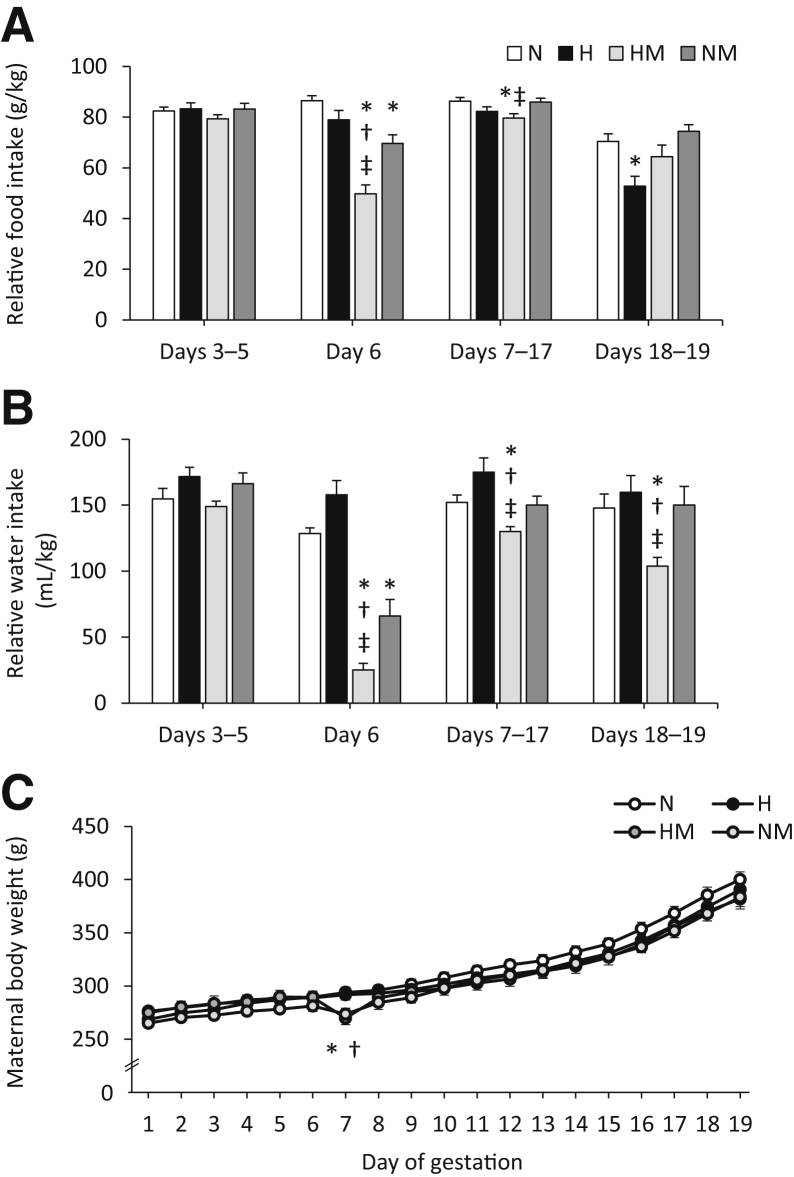
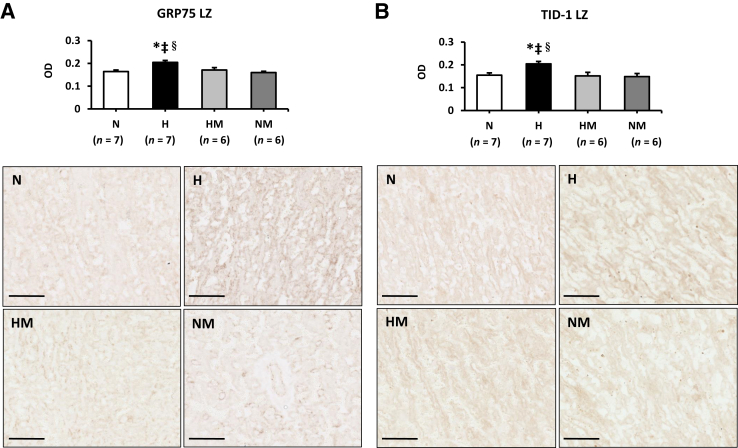
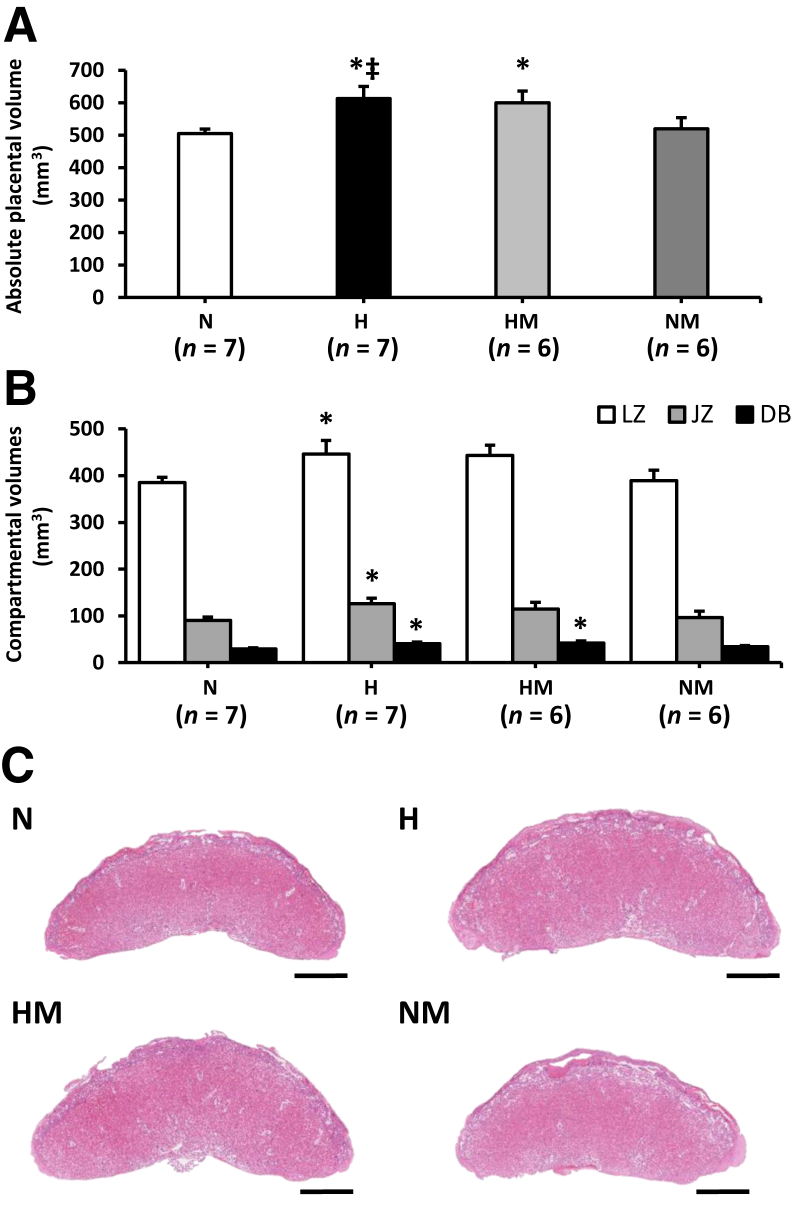
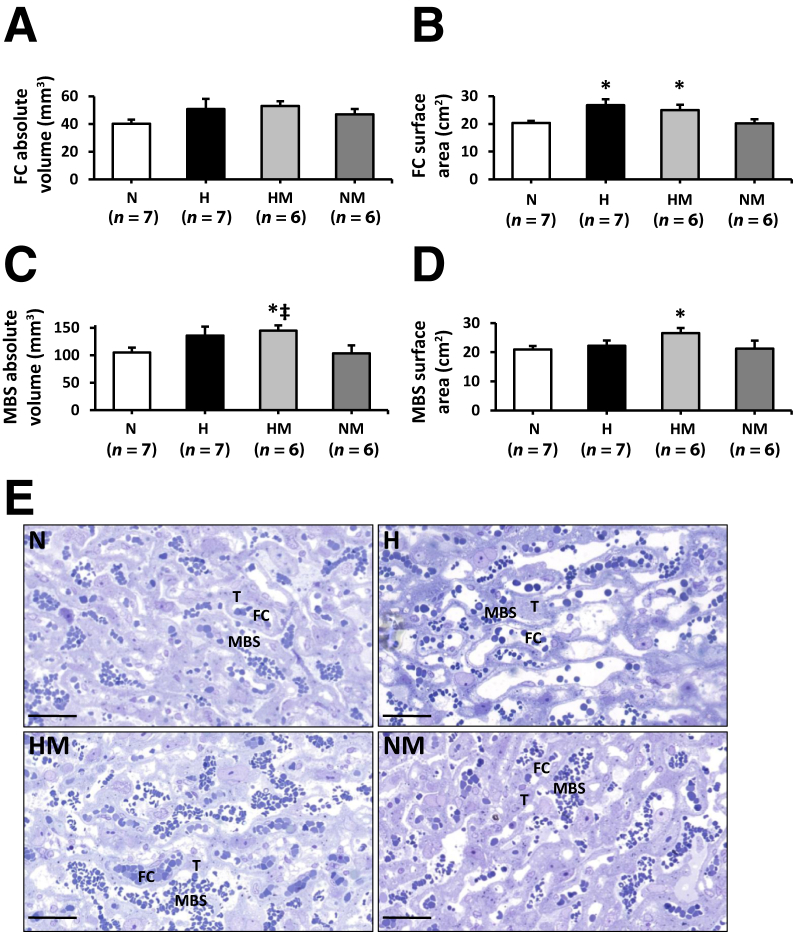
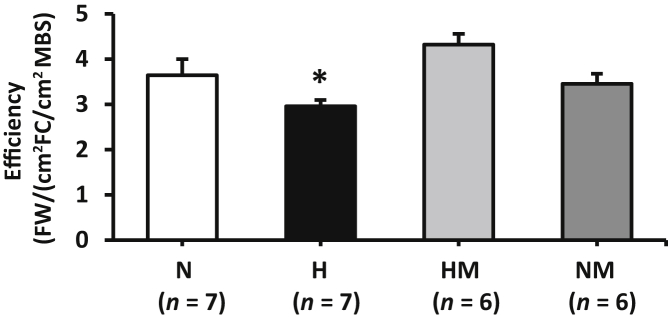
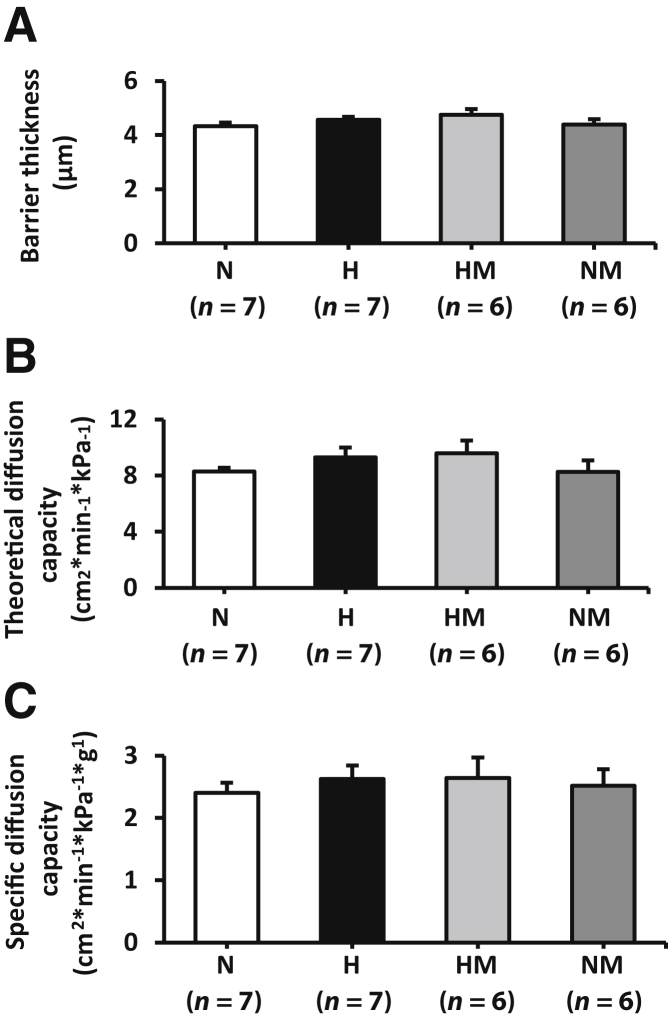
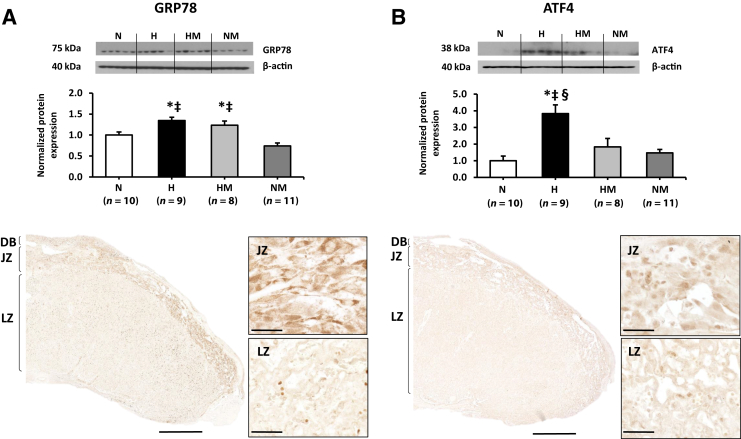
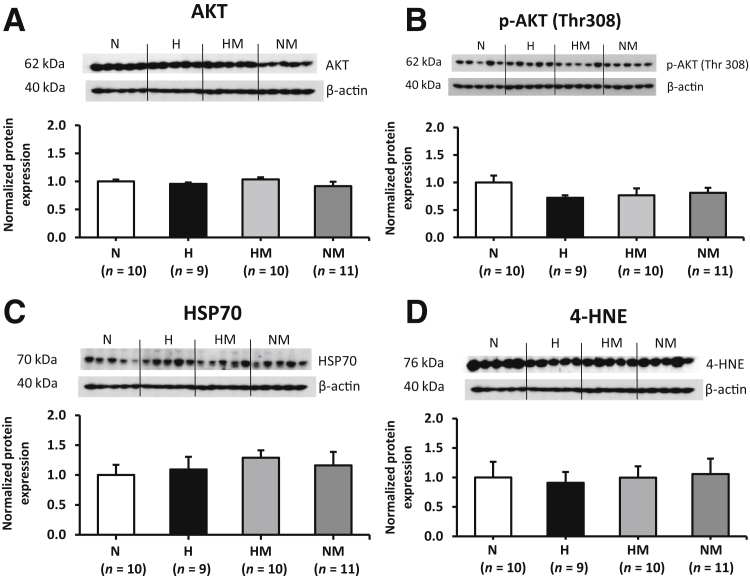
The placenta responds to adverse environmental conditions by adapting its capacity for substrate transfer to maintain fetal growth and development. Early-onset hypoxia effects on placental morphology and activation of the unfolded protein response (UPR) were determined using an established rat model in which fetal growth restriction is minimized. We further established whether maternal treatment with a mitochondria-targeted antioxidant (MitoQ) confers protection during hypoxic pregnancy. Wistar dams were exposed to normoxia (21% O) or hypoxia (13% to 14% O) from days 6 to 20 of pregnancy with and without MitoQ treatment (500 μmol/L in drinking water). On day 20, animals were euthanized and weighed, and the placentas from male fetuses were processed for stereology to assess morphology. UPR activation in additional cohorts of frozen placentas was determined with Western blot analysis. Neither hypoxic pregnancy nor MitoQ treatment affected fetal growth. Hypoxia increased placental volume and the fetal capillary surface area and induced mitochondrial stress as well as the UPR, as evidenced by glucose-regulated protein 78 and activating transcription factor (ATF) 4 protein up-regulation. MitoQ treatment in hypoxic pregnancy increased placental maternal blood space surface area and volume and prevented the activation of mitochondrial stress and the ATF4 pathway. The data suggest that mitochondria-targeted antioxidants may be beneficial in complicated pregnancy via mechanisms protecting against placental stress and enhancing placental perfusion.
胎盘通过适应其底物转运能力来应对不利的环境条件,以维持胎儿的生长和发育。本研究采用一种已建立的大鼠模型来确定早期缺氧对胎盘形态和未折叠蛋白反应 (UPR) 激活的影响,该模型可最大限度地减少胎儿生长受限。我们进一步确定了母体在缺氧妊娠期间接受线粒体靶向抗氧化剂 (MitoQ) 治疗是否具有保护作用。Wistar 孕鼠从妊娠第 6 天至第 20 天分别在常氧(21% O)或缺氧(13%至 14% O)条件下暴露,同时给予或不给予 MitoQ 治疗(饮用水中 500 μmol/L)。在第 20 天,处死动物并称重,雄性胎儿的胎盘进行体视学处理以评估形态。通过 Western blot 分析进一步评估了冷冻胎盘中 UPR 激活情况。缺氧妊娠和 MitoQ 治疗均不影响胎儿生长。缺氧增加了胎盘体积和胎儿毛细血管表面积,并诱导了线粒体应激和 UPR,葡萄糖调节蛋白 78 和激活转录因子 (ATF) 4 蛋白上调。在缺氧妊娠中给予 MitoQ 治疗增加了胎盘母体血液空间表面积和体积,并防止了线粒体应激和 ATF4 途径的激活。数据表明,线粒体靶向抗氧化剂可能通过保护胎盘应激和增强胎盘灌注的机制,对复杂妊娠有益。