Suvorov Alexander, Karaseva Alena, Kotyleva Marina, Kondratenko Yulia, Lavrenova Nadezhda, Korobeynikov Anton, Kozyrev Petr, Kramskaya Tatiana, Leontieva Galina, Kudryavtsev Igor, Guo Danyang, Lapidus Alla, Ermolenko Elena
Department of Molecular Microbiology, Institute of Experimental Medicine, Saint-Petersburg, Russia.
Department of Fundamental Medicine and Medical Technologies, Saint-Petersburg State University, Saint-Petersburg, Russia.
Front Microbiol. 2018 Sep 12;9:1869. doi: 10.3389/fmicb.2018.01869. eCollection 2018.
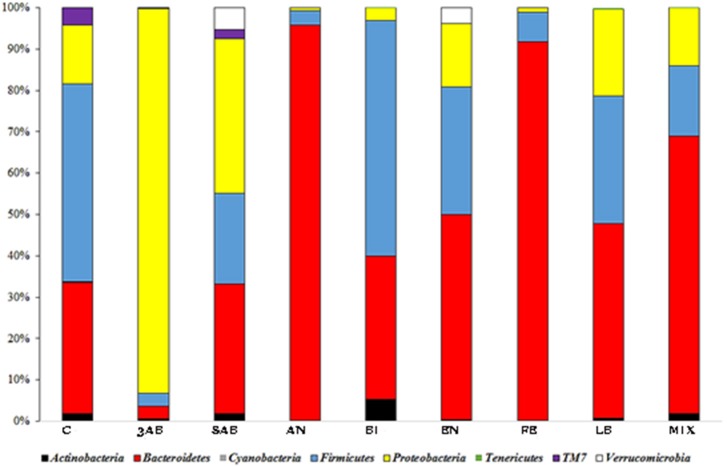
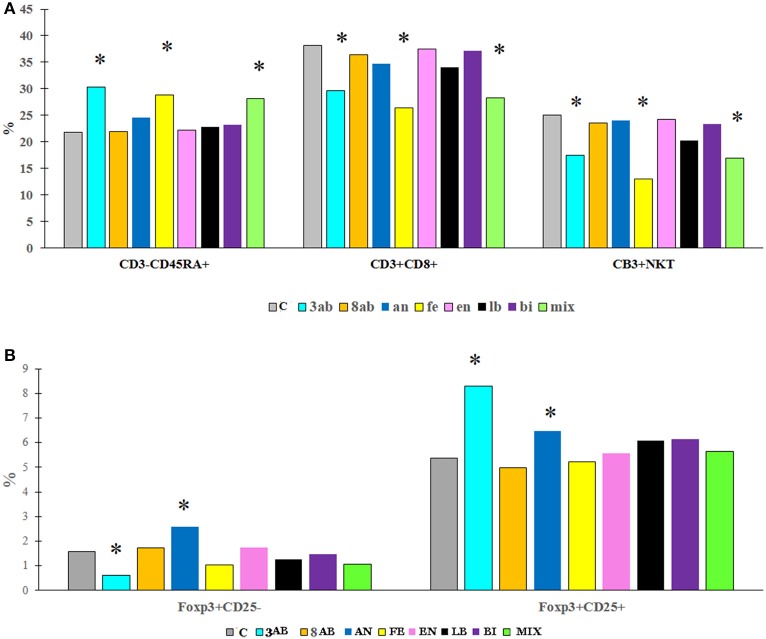
Human microbiota is a complex consortium of microorganisms involved in the proper functioning of almost every system of the organism. Majority of the human diseases are associated with the development of intestinal dysbiosis. Dysbiotic condition or dysbiosis is a key pathogenic condition causing many severe infectious or non-infectious diseases. Rapid return to the original microbiota in many cases leads to the fast recovery from the disease. However, the optimal way of the treatment of dysbiosis is still under the discussion. Recently we have developed a method of autoprobiotics based on using isolated indigenous bacteria for improving of microbiota condition. The method based on feeding the patients with bacterial products grown from their personal, genetically characterised strains have been successfully tested in clinic on patients with IBS or chronic pneumonia. In present study we tried to evaluate technology employing autoprobiotic bacteria belonging to different species employing the rat model of antibiotic induced dysbiosis. Six experimental groups of animals after taking antibiotics were treated with different variants of autoprobiotics (lactobacillus, bifidobacteria, enterococcus, their mixture, fecal microbiota, or anaerobically grown complex of indigenous microbiota) prepared for each of them before the development of dysbiosis. Judging by the multiple parameters including metagenomics analysis of microbiota, immune status and microbiota content of the animals with dysbiosis relatively to control group, the most pronounced positive changes were provided by autoprobiotics based on enterococci, bifidobacteria or the consortium of indigenous bacteria grown under anaerobic conditions. These groups of autoprobiotics were delivering the most effective restoration of the original microbiota content and significant anti-inflammatory reaction of the immune system.
人类微生物群是一个复杂的微生物群落,参与生物体几乎每个系统的正常运作。大多数人类疾病都与肠道生态失调的发展有关。生态失调状态或生态失调是导致许多严重感染性或非感染性疾病的关键致病状态。在许多情况下,迅速恢复到原始微生物群会导致疾病快速康复。然而,生态失调的最佳治疗方法仍在讨论中。最近,我们开发了一种基于使用分离的本土细菌来改善微生物群状况的自生益生菌方法。基于用从患者个人的、经基因鉴定的菌株培养的细菌产物喂养患者的方法已在患有肠易激综合征或慢性肺炎的患者中成功进行了临床测试。在本研究中,我们试图利用抗生素诱导的生态失调大鼠模型评估采用不同物种的自生益生菌的技术。在服用抗生素后,将六组实验动物用不同变体的自生益生菌(乳酸杆菌、双歧杆菌、肠球菌、它们的混合物、粪便微生物群或在生态失调发展之前为每组制备的本土微生物群的厌氧培养复合物)进行治疗。根据包括对微生物群的宏基因组学分析、免疫状态以及与对照组相比生态失调动物的微生物群含量等多个参数判断,基于肠球菌、双歧杆菌或在厌氧条件下生长的本土细菌联合体的自生益生菌产生了最明显的积极变化。这些自生益生菌组最有效地恢复了原始微生物群含量,并引发了免疫系统显著的抗炎反应。