Alves Gomes Albertti Leticia, Delatte Thierry L, Souza de Farias Katyuce, Galdi Boaretto Amanda, Verstappen Francel, van Houwelingen Adele, Cankar Katarina, Carollo Carlos Alexandre, Bouwmeester Harro J, Beekwilder Jules
Laboratório de Evolução e Biodiversidade Evolutiva, Universidade Federal de Mato Grosso do Sul, Campo Grande, Brazil.
Laboratory of Plant Physiology, Wageningen University & Research, Wageningen, Netherlands.
Front Plant Sci. 2018 Sep 19;9:1340. doi: 10.3389/fpls.2018.01340. eCollection 2018.
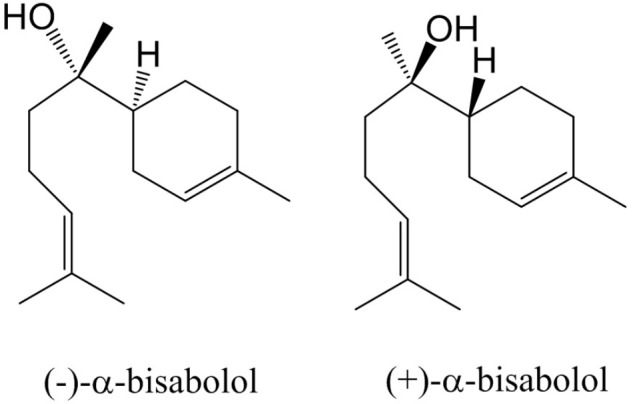
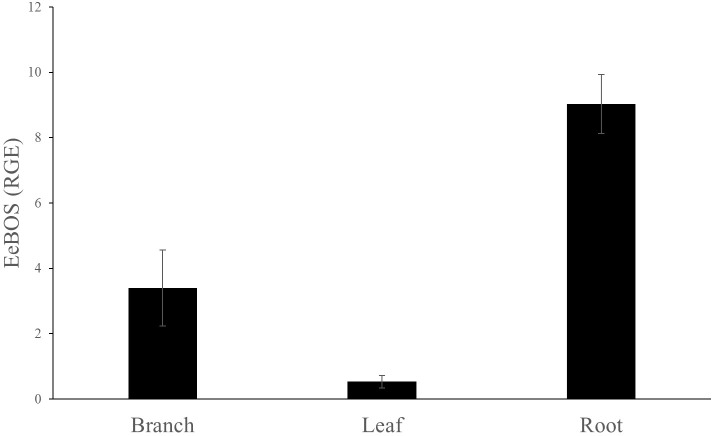
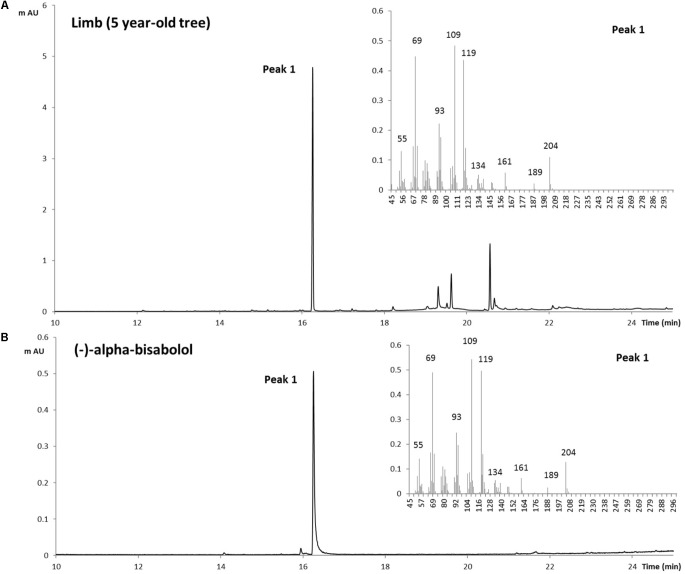
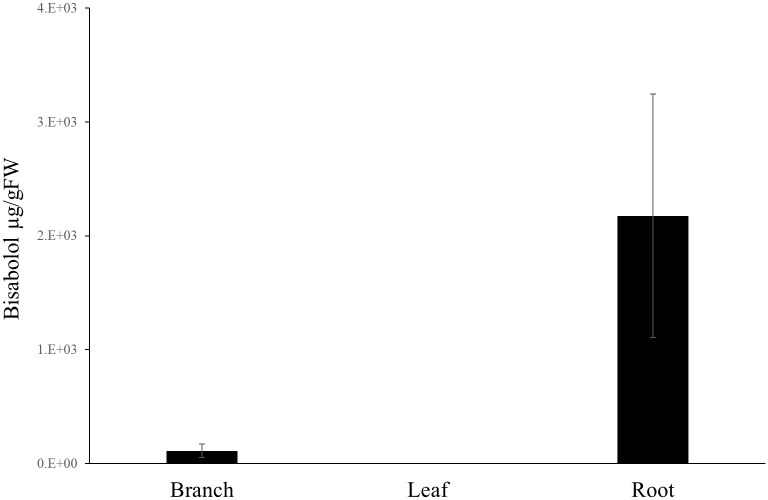
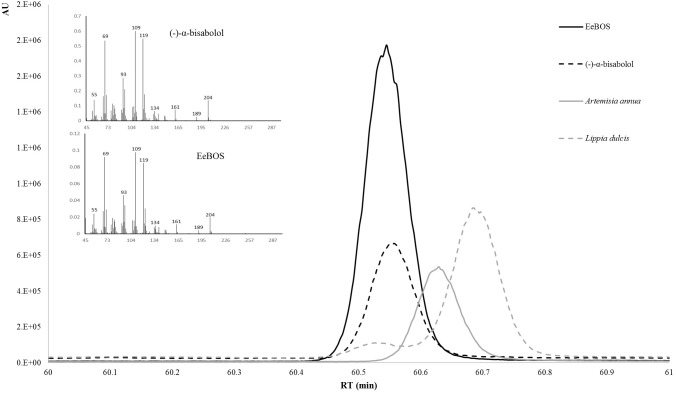
Candeia ( (DC) McLeisch, Asteraceae) is a Brazilian tree, mainly occurring in the cerrado areas. From ethnobotanical information its essential oil is known to have wound healing and nociceptive properties. These properties are ascribed to result from a sesquiterpene alcohol, (-)-α-bisabolol, which is present at high concentrations in this oil. Bisabolol is highly valued by the cosmetic industry because of its antibacterial, anti-inflammatory, skin-smoothing and wound healing properties. Over the past decades, Candeia timber has been collected at large scale for bisabolol extraction from wild reserves and the species is thereby at risk of extinction. To support the development of breeding and nursing practices that would facilitate sustainable cultivation of Candeia, we identified a terpene synthase gene, EeBOS1, that appears to control biosynthesis (-)-α-bisabolol in the plant. Expression of this gene in showed that EeBOS1 protein is capable of producing (-)-α-bisabolol from farnesyl pyrophosphate . Analysis of gene expression in different tissues from Candeia plants in different life stages showed a high correlation of EeBOS1 expression and accumulation of (-)-α-bisabolol. This work is the first step to unravel the pathway toward (-)-α-bisabolol in Candeia, and in the further study of the control of (-)-α-bisabolol production.
坎代亚树((DC) 麦克利什,菊科)是一种巴西树木,主要生长在塞拉多地区。从民族植物学信息可知,其精油具有伤口愈合和止痛特性。这些特性归因于一种倍半萜醇,(-)-α-红没药醇,它在这种油中含量很高。红没药醇因其抗菌、抗炎、使皮肤光滑和伤口愈合特性而受到化妆品行业的高度重视。在过去几十年里,为了从野生保护区提取红没药醇,人们大规模采集坎代亚树的木材,因此该物种面临灭绝风险。为了支持有助于坎代亚树可持续种植的育种和培育实践的发展,我们鉴定了一个萜烯合酶基因EeBOS1,它似乎控制着植物中(-)-α-红没药醇的生物合成。该基因在[具体内容缺失]中的表达表明,EeBOS1蛋白能够从法尼基焦磷酸生成(-)-α-红没药醇。对不同生长阶段的坎代亚树植物不同组织中的基因表达分析表明,EeBOS1表达与(-)-α-红没药醇的积累高度相关。这项工作是揭示坎代亚树中(-)-α-红没药醇生物合成途径以及进一步研究(-)-α-红没药醇产量控制的第一步。