Institute of Pharmaceutical Sciences, Swiss Federal Institute of Technology, ETH Zurich, Vladimir-Prelog-Weg 1-5/10, HCI H398, 8093, Zurich, Switzerland.
Department of Neurology, University of the Saarland, 66421, Homburg, Saar, Germany.
Acta Neuropathol. 2019 Jan;137(1):151-165. doi: 10.1007/s00401-018-1916-x. Epub 2018 Oct 10.
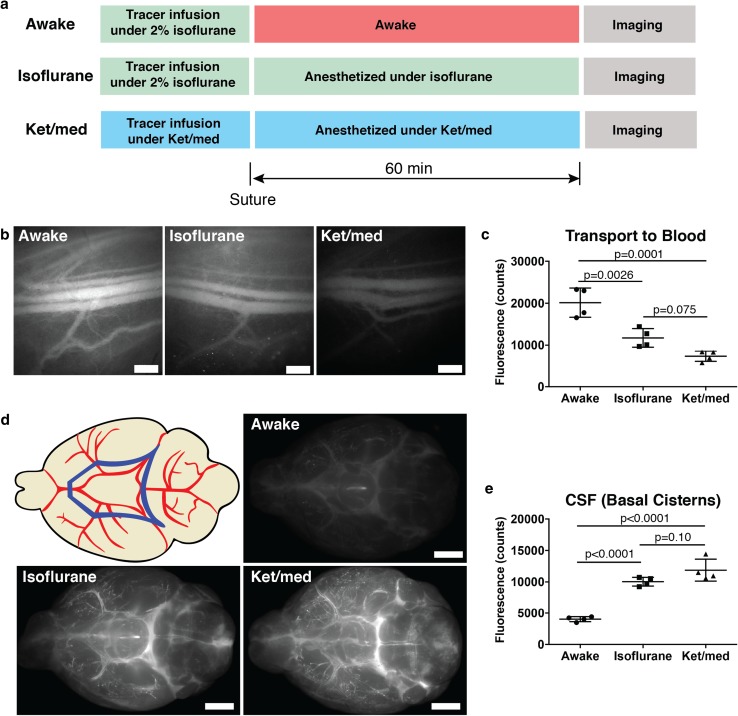
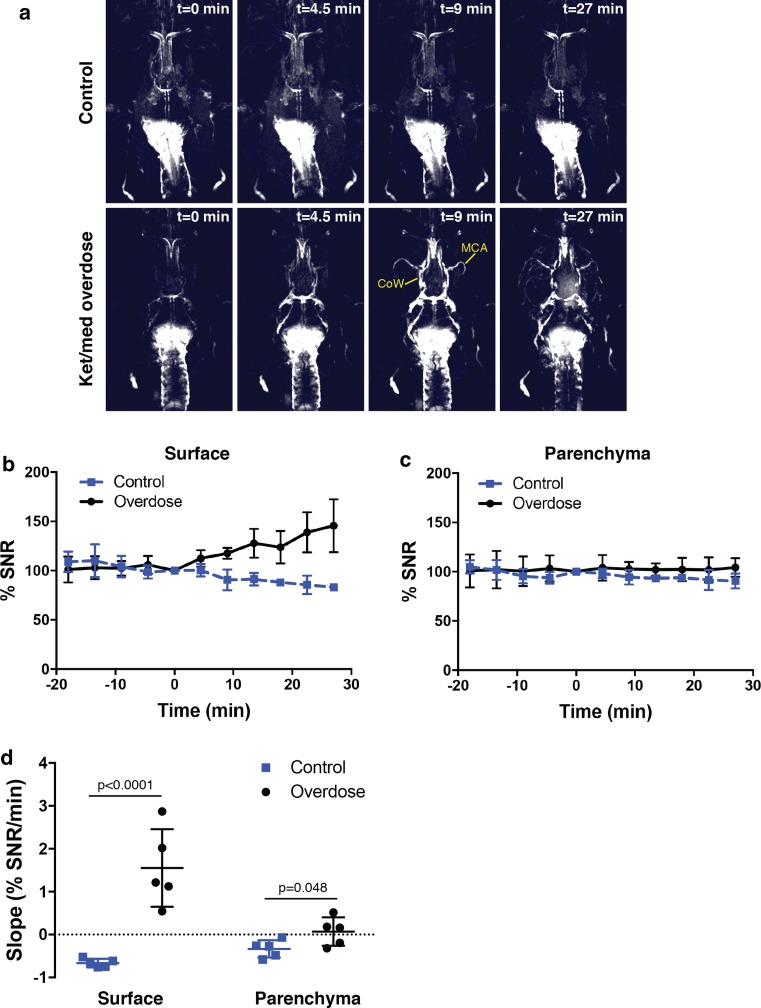
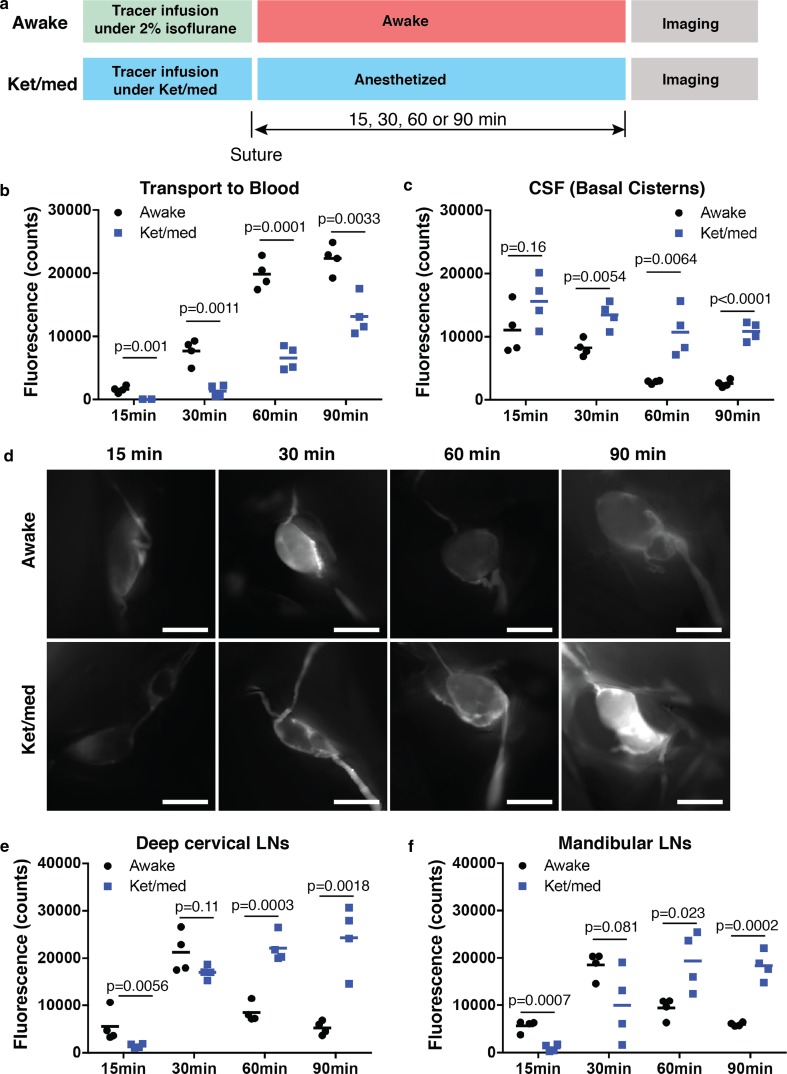
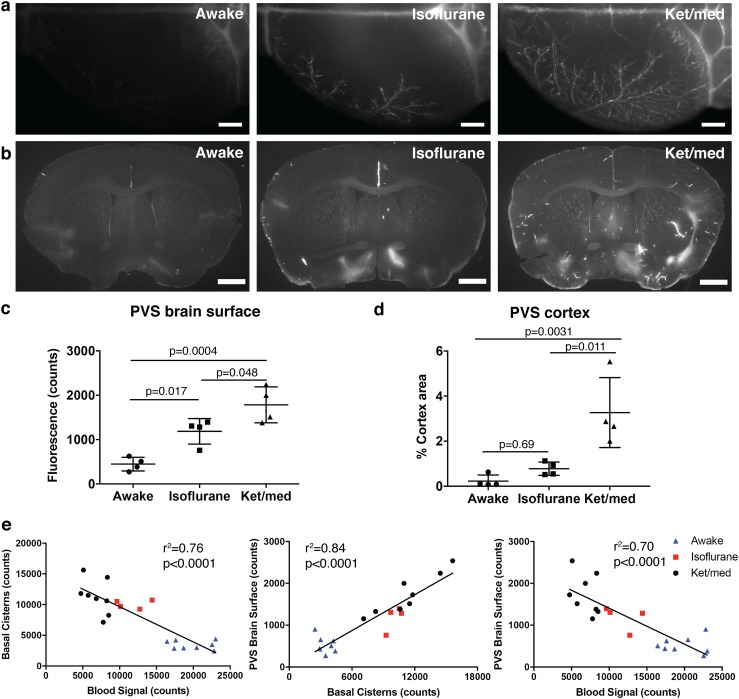
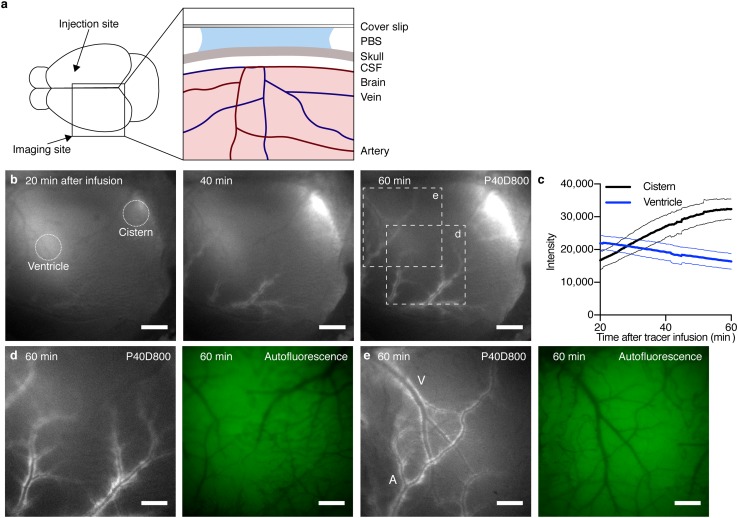
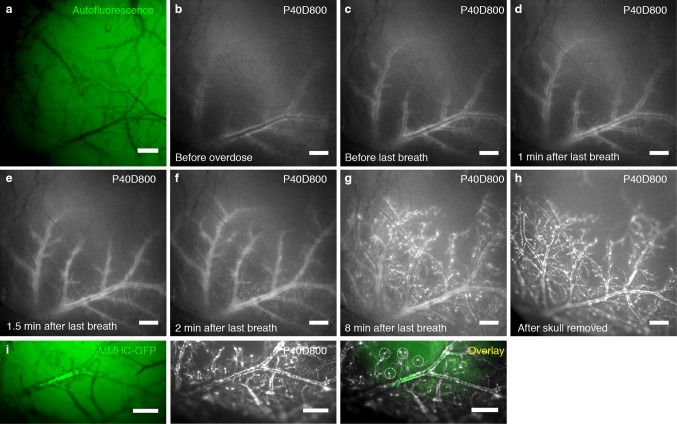
The relationships between cerebrospinal fluid (CSF) and brain interstitial fluid are still being elucidated. It has been proposed that CSF within the subarachnoid space will enter paravascular spaces along arteries to flush through the parenchyma of the brain. However, CSF also directly exits the subarachnoid space through the cribriform plate and other perineural routes to reach the lymphatic system. In this study, we aimed to elucidate the functional relationship between CSF efflux through lymphatics and the potential influx into the brain by assessment of the distribution of CSF-infused tracers in awake and anesthetized mice. Using near-infrared fluorescence imaging, we showed that tracers quickly exited the subarachnoid space by transport through the lymphatic system to the systemic circulation in awake mice, significantly limiting their spread to the paravascular spaces of the brain. Magnetic resonance imaging and fluorescence microscopy through the skull under anesthetized conditions indicated that tracers remained confined to paravascular spaces on the surface of the brain. Immediately after death, a substantial influx of tracers occurred along paravascular spaces extending into the brain parenchyma. We conclude that under normal conditions a rapid CSF turnover through lymphatics precludes significant bulk flow into the brain.
脑脊液(CSF)和脑间质液之间的关系仍在阐明之中。有人提出,蛛网膜下腔中的 CSF 将沿着动脉进入血管周围间隙,从而冲洗大脑实质。然而,CSF 也可以通过筛板和其他神经周围途径直接从蛛网膜下腔排出,进入淋巴系统。在这项研究中,我们旨在通过评估清醒和麻醉小鼠中 CSF 示踪剂的分布,阐明 CSF 通过淋巴系统流出和潜在流入大脑的功能关系。我们使用近红外荧光成像技术表明,示踪剂在清醒小鼠中通过淋巴系统快速排出蛛网膜下腔,进入体循环,显著限制了它们在脑血管周围间隙的扩散。在麻醉条件下通过颅骨的磁共振成像和荧光显微镜检查表明,示踪剂仍然局限于大脑表面的血管周围间隙。在死亡后,大量示踪剂沿延伸到脑实质的血管周围间隙涌入。我们的结论是,在正常情况下,通过淋巴系统的 CSF 快速周转可防止大量 CSF 流入大脑。