Pezzuto John M
Arnold & Marie Schwartz College of Pharmacy and Health Sciences, Long Island University, Brooklyn, NY 11201, USA.
Biomol Ther (Seoul). 2019 Jan 1;27(1):1-14. doi: 10.4062/biomolther.2018.176.
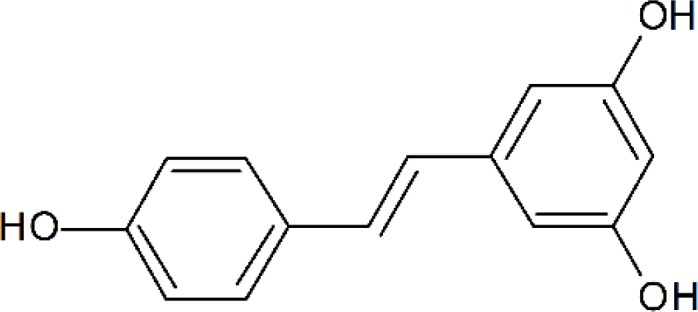
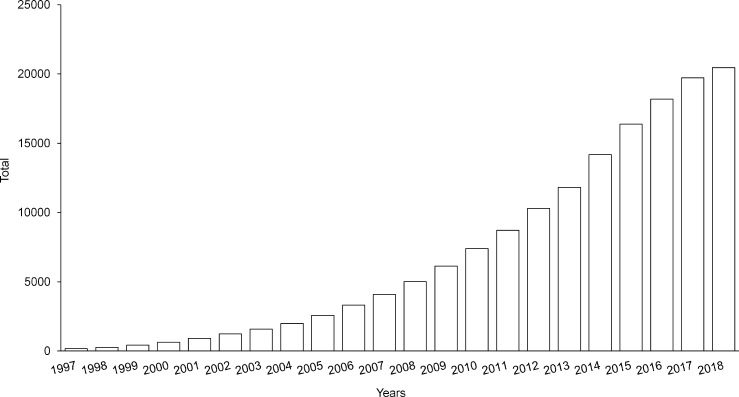
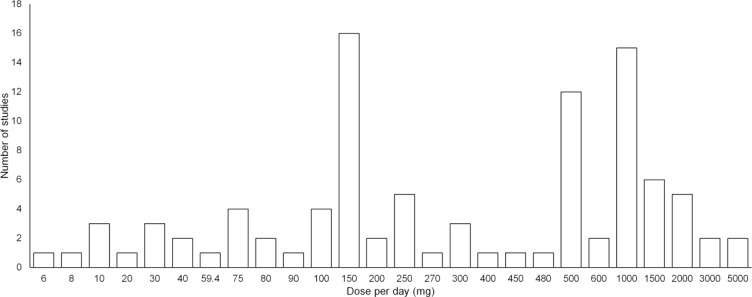
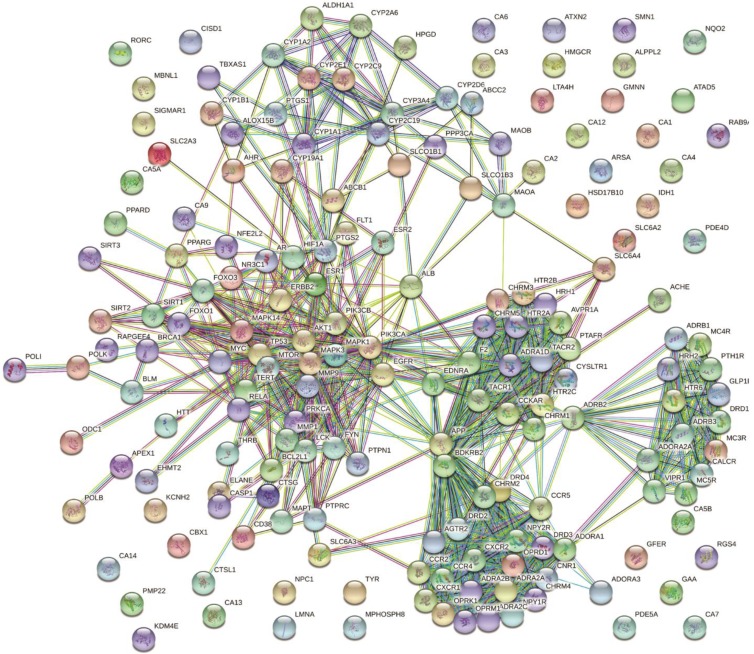
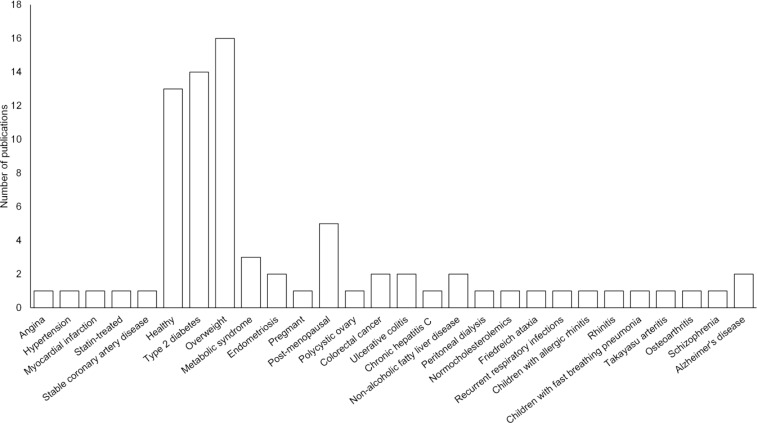
Resveratrol was first isolated in 1939 by Takaoka from O. Loes. Following this discovery, sporadic descriptive reports appeared in the literature. However, spurred by our seminal paper published nearly 60 years later, resveratrol became a household word and the subject of extensive investigation. Now, in addition to appearing in over 20,000 research papers, resveratrol has inspired monographs, conferences, symposia, patents, chemical derivatives, etc. In addition, dietary supplements are marketed under various tradenames. Once resveratrol was brought to the limelight, early research tended to focus on pharmacological activities related to the cardiovascular system, inflammation, and cancer but, over the years, the horizon greatly expanded. Around 130 human clinical trials have been (or are being) conducted with varying results. This may be due to factors such as disparate doses (. 5 to 5,000 mg/day) and variable experimental settings. Further, molecular targets are numerous and a dominant mechanism is elusive or nonexistent. In this context, the compound is overtly promiscuous. Nonetheless, since the safety profile is pristine, and use as a dietary supplement is prevalent, these features are not viewed as detrimental. Given the ongoing history of resveratrol, it is reasonable to advocate for additional development and further clinical investigation. Topical preparations seem especially promising, as do conditions that can respond to anti-inflammatory action and/or direct exposure, such as colon cancer prevention. Although the ultimate fate of resveratrol remains an open question, thus far, the compound has inspired innovative scientific concepts and enhanced public awareness of preventative health care.
白藜芦醇于1939年由高冈从蛇葡萄属植物中首次分离出来。这一发现之后,文献中出现了一些零星的描述性报告。然而,在近60年后我们发表的开创性论文的推动下,白藜芦醇成为了一个家喻户晓的词汇,并成为广泛研究的主题。如今,白藜芦醇除了出现在20000多篇研究论文中,还催生了专著、会议、研讨会、专利、化学衍生物等。此外,膳食补充剂以各种商品名进行销售。一旦白藜芦醇受到关注,早期研究往往集中在与心血管系统、炎症和癌症相关的药理活性上,但多年来,研究范围大大扩展。大约130项人体临床试验已经(或正在)进行,结果各不相同。这可能是由于剂量差异(0.5至5000毫克/天)和实验设置不同等因素。此外,分子靶点众多,主导机制难以捉摸或不存在。在这种情况下,该化合物具有明显的多效性。尽管如此,由于其安全性良好,且作为膳食补充剂的使用很普遍,这些特点并不被视为有害。鉴于白藜芦醇的发展历程,主张进一步开发和进行更多临床研究是合理的。局部用制剂似乎特别有前景,对炎症反应和/或直接接触有反应的病症,如预防结肠癌,也是如此。尽管白藜芦醇的最终命运仍是一个悬而未决的问题,但到目前为止,该化合物激发了创新的科学理念,并提高了公众对预防性医疗保健的认识。