Ruszkowska Monika, Nynca Anna, Paukszto Lukasz, Sadowska Agnieszka, Swigonska Sylwia, Orlowska Karina, Molcan Tomasz, Jastrzebski Jan P, Ciereszko Renata E
1Department of Animal Anatomy and Physiology, Faculty of Biology and Biotechnology, University of Warmia and Mazury in Olsztyn, Oczapowskiego 1A, 10-719 Olsztyn, Poland.
2Laboratory of Molecular Diagnostics, Faculty of Biology and Biotechnology, University of Warmia and Mazury in Olsztyn, Prawochenskiego 5, 10-720 Olsztyn, Poland.
J Anim Sci Biotechnol. 2018 Oct 11;9:72. doi: 10.1186/s40104-018-0288-3. eCollection 2018.
Long non-coding RNAs (lncRNAs) may regulate gene expression in numerous biological processes including cellular response to xenobiotics. The exposure of living organisms to 2,3,7,8-tetrachlorodibenzo--dioxin (TCDD), a persistent environmental contaminant, results in reproductive defects in many species including pigs. The aims of the study were to identify and characterize lncRNAs in porcine granulosa cells as well as to examine the effects of TCDD on the lncRNA expression profile in the cells.
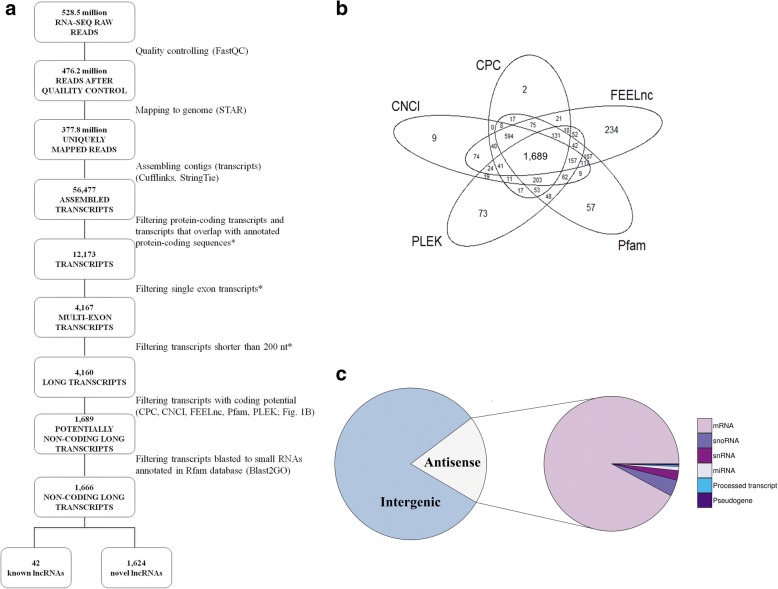
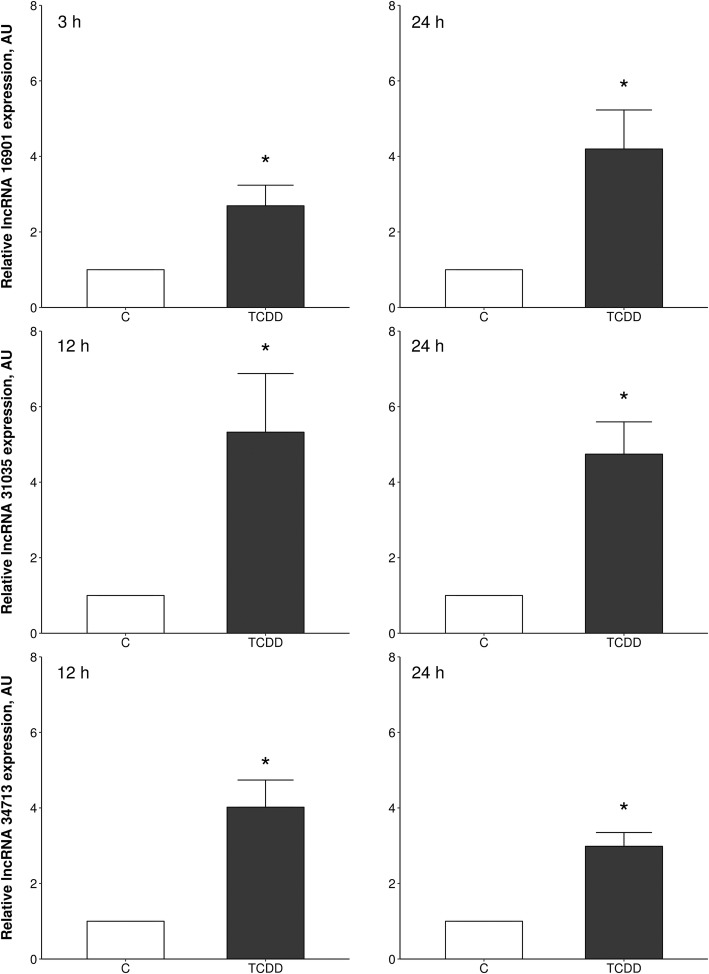
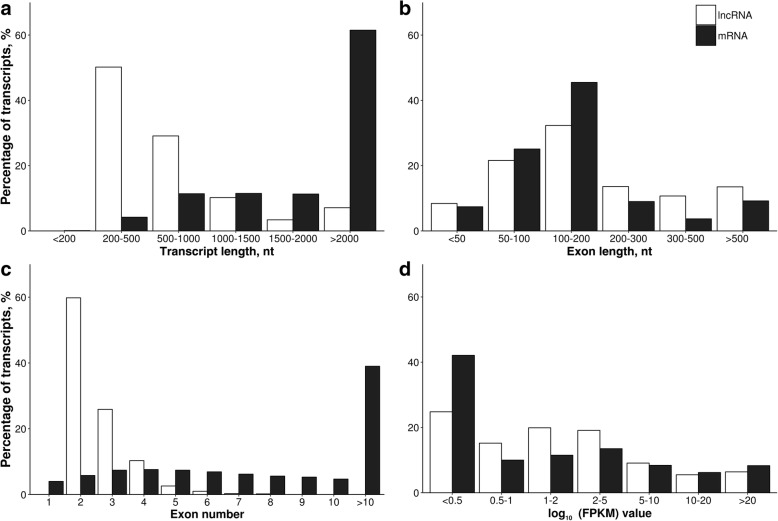
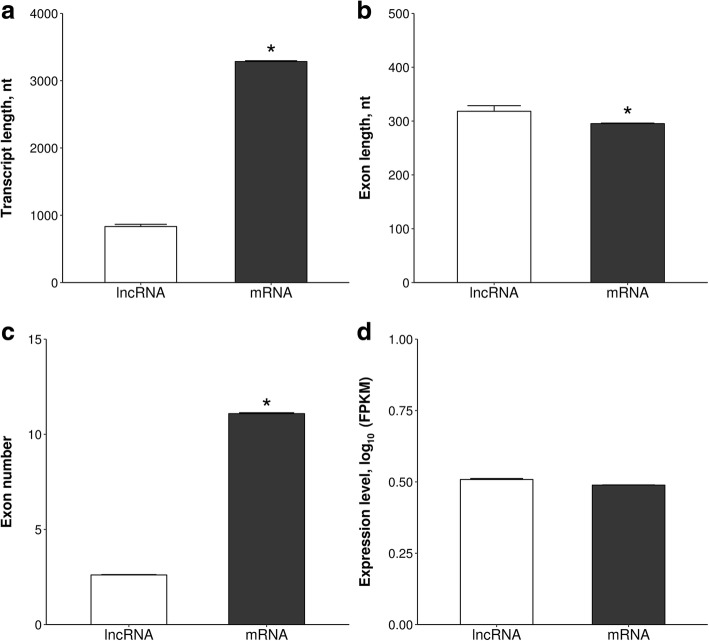
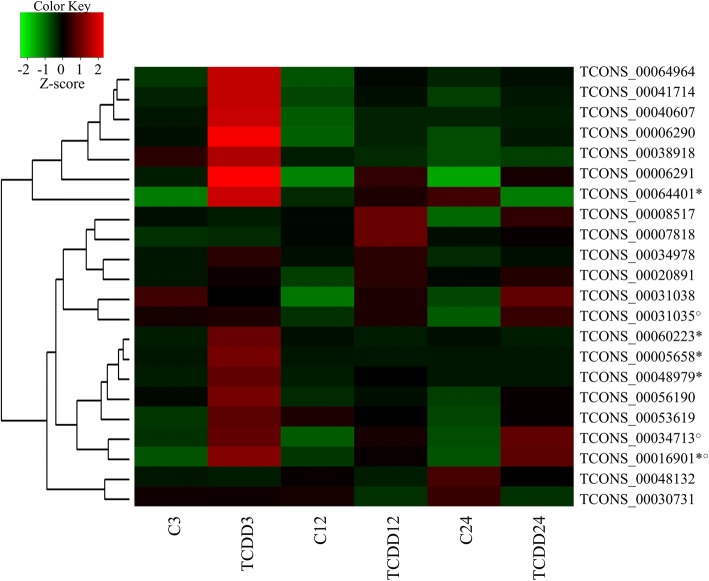
One thousand six hundred sixty-six lncRNAs were identified and characterized in porcine granulosa cells. The identified lncRNAs were found to be shorter than mRNAs. In addition, the number of exons was lower in lncRNAs than in mRNAs and their exons were longer. TCDD affected the expression of 22 lncRNAs (differentially expressed lncRNAs [DELs]; log fold change ≥ 1, < 0.05) in the examined cells. Potential functions of DELs were indirectly predicted via searching their target - and -regulated protein-coding genes. The co-expression analysis revealed that DELs may influence the expression of numerous genes, including those involved in cellular response to xenobiotics, dioxin metabolism, endoplasmic reticulum stress and cell proliferation. Aryl hydrocarbon receptor ( and cytochrome P450 1A1 ( were found among the -regulated genes.
These findings indicate that the identified lncRNAs may constitute a part of the regulatory mechanism of TCDD action in granulosa cells. To our knowledge, this is the first study describing lncRNAs in porcine granulosa cells as well as TCDD effects on the lncRNA expression profile. These results may trigger new research directions leading to better understanding of molecular processes induced by xenobiotics in the ovary.
长链非编码RNA(lncRNAs)可能在包括细胞对外源生物的反应在内的众多生物学过程中调节基因表达。生物体暴露于持久性环境污染物2,3,7,8-四氯二苯并-对-二恶英(TCDD)会导致包括猪在内的许多物种出现生殖缺陷。本研究的目的是鉴定和表征猪颗粒细胞中的lncRNAs,并研究TCDD对细胞中lncRNA表达谱的影响。
在猪颗粒细胞中鉴定并表征了1666个lncRNAs。发现所鉴定的lncRNAs比mRNA短。此外,lncRNAs的外显子数量比mRNA少,且其外显子更长。TCDD影响了所检测细胞中22个lncRNAs的表达(差异表达lncRNAs [DELs];log倍数变化≥1,<0.05)。通过搜索其靶标和调控的蛋白质编码基因间接预测了DELs的潜在功能。共表达分析表明,DELs可能影响众多基因的表达,包括那些参与细胞对外源生物的反应、二恶英代谢、内质网应激和细胞增殖的基因。在受调控的基因中发现了芳烃受体(AhR)和细胞色素P450 1A1(CYP1A1)。
这些发现表明,所鉴定的lncRNAs可能构成颗粒细胞中TCDD作用调控机制的一部分。据我们所知,这是第一项描述猪颗粒细胞中lncRNAs以及TCDD对lncRNA表达谱影响的研究。这些结果可能引发新的研究方向,从而更好地理解卵巢中外源生物诱导的分子过程。