Department of Bioengineering, Instituto Superior Técnico, Universidade de Lisboa, Lisbon, Portugal.
iBB-Institute for Bioengineering and Biosciences, Biological Sciences Research Group, Instituto Superior Técnico, Universidade de Lisboa, Lisbon, Portugal.
Antimicrob Agents Chemother. 2018 Dec 21;63(1). doi: 10.1128/AAC.00995-18. Print 2019 Jan.
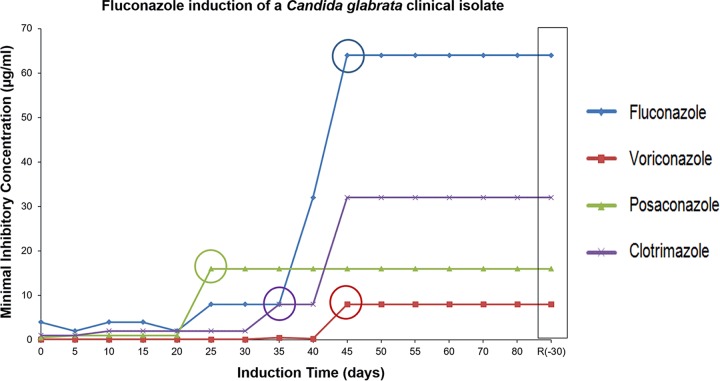
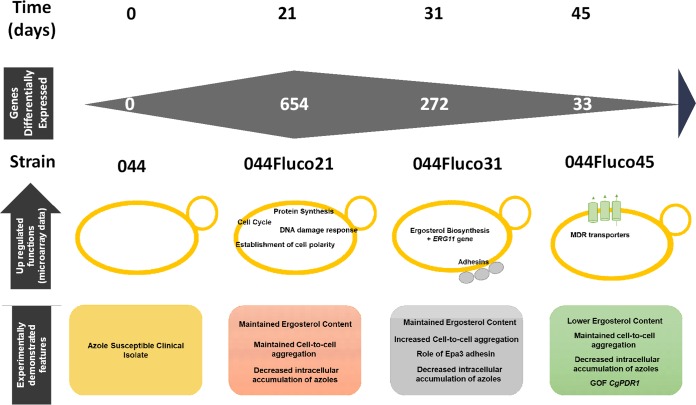
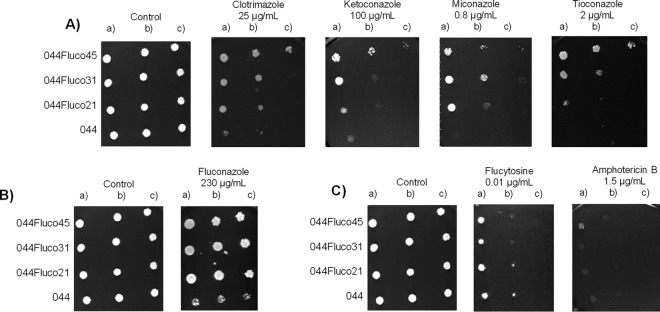
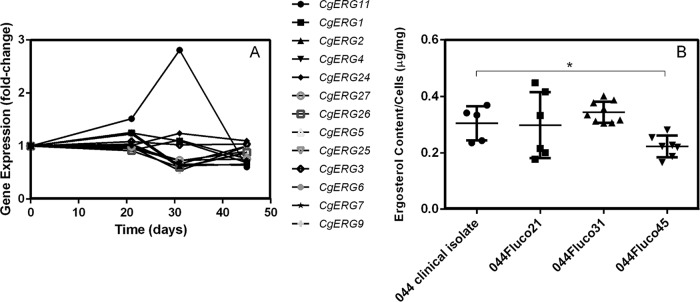
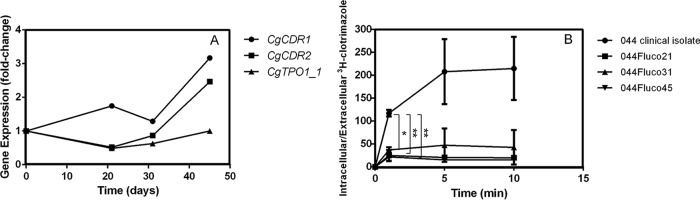
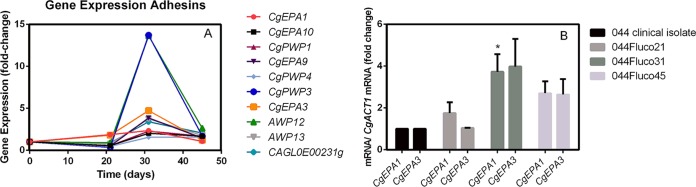
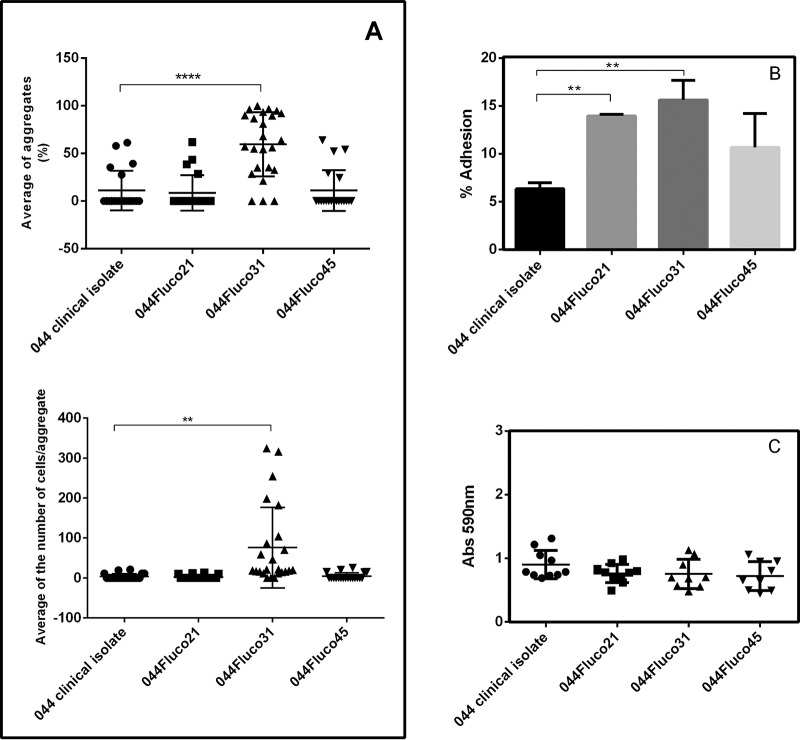
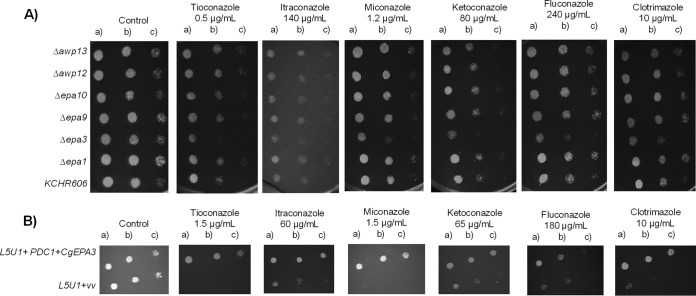
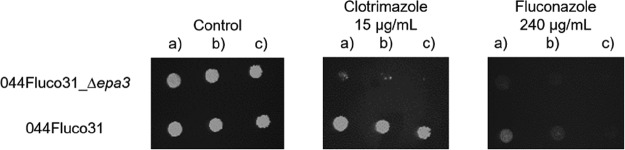
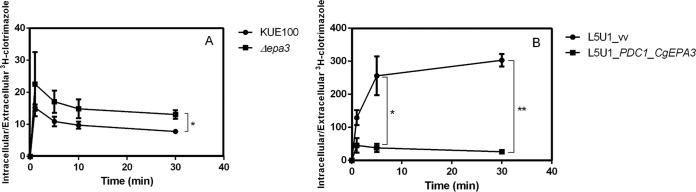
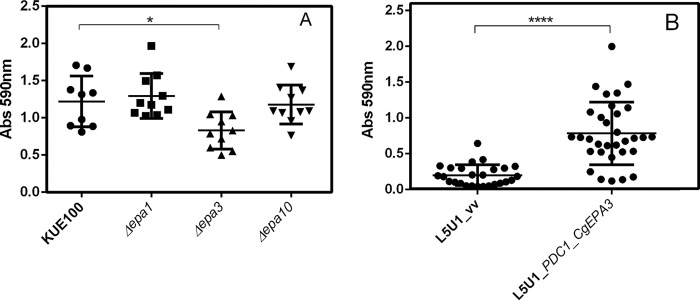
is an emerging fungal pathogen. Its increased prevalence is associated with its ability to rapidly develop antifungal drug resistance, particularly to azoles. In order to unravel new molecular mechanisms behind azole resistance, a transcriptomics analysis of the evolution of a clinical isolate (isolate 044) from azole susceptibility to posaconazole resistance (21st day), clotrimazole resistance (31st day), and fluconazole and voriconazole resistance (45th day), induced by longstanding incubation with fluconazole, was carried out. All the evolved strains were found to accumulate lower concentrations of azole drugs than the parental strain, while the ergosterol concentration remained mostly constant. However, only the population displaying resistance to all azoles was found to have a gain-of-function mutation in the gene, leading to the upregulation of genes encoding multidrug resistance transporters. Intermediate strains, exhibiting posaconazole/clotrimazole resistance and increased fluconazole/voriconazole MIC levels, were found to display alternative ways to resist azole drugs. Particularly, posaconazole/clotrimazole resistance after 31 days was correlated with increased expression of adhesin genes. This finding led us to identify the Epa3 adhesin as a new determinant of azole resistance. Besides being required for biofilm formation, Epa3 expression was found to decrease the intracellular accumulation of azole antifungal drugs. Altogether, this work provides a glimpse of the transcriptomics evolution of a population toward multiazole resistance, highlighting the multifactorial nature of the acquisition of azole resistance and pointing out a new player in azole resistance.
是一种新兴的真菌病原体。它的流行率增加与其迅速产生抗真菌药物耐药性的能力有关,尤其是对唑类药物。为了揭示唑类耐药性背后的新分子机制,对临床分离株(分离株 044)进行了转录组学分析,该分离株由氟康唑长期孵育诱导,从对唑类药物敏感演变为对泊沙康唑(第 21 天)、克霉唑(第 31 天)和氟康唑和伏立康唑(第 45 天)耐药。所有进化的菌株都被发现积累的唑类药物浓度低于亲本菌株,而麦角固醇浓度基本保持不变。然而,只有对所有唑类药物都具有耐药性的种群被发现其 基因中存在功能获得性突变,导致编码多药耐药转运蛋白的基因上调。表现出泊沙康唑/克霉唑耐药性和氟康唑/伏立康唑 MIC 值升高的中间菌株被发现具有抵抗唑类药物的替代方法。特别是,第 31 天后出现的泊沙康唑/克霉唑耐药性与黏附素基因的表达增加有关。这一发现使我们能够鉴定出 Epa3 黏附素作为唑类耐药性的一个新决定因素。除了参与生物膜形成外,还发现 Epa3 表达降低了唑类抗真菌药物的细胞内积累。总之,这项工作提供了一个观察 种群向多唑类耐药性转录组学进化的视角,突出了获得唑类耐药性的多因素性质,并指出了唑类耐药性的一个新因素。