MMWR Morb Mortal Wkly Rep. 2018 Oct 26;67(42):1178-1185. doi: 10.15585/mmwr.mm6742a3.
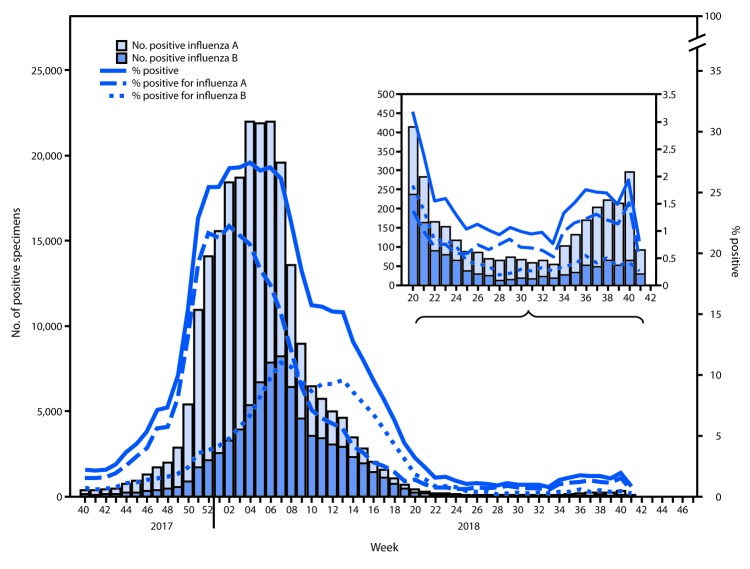
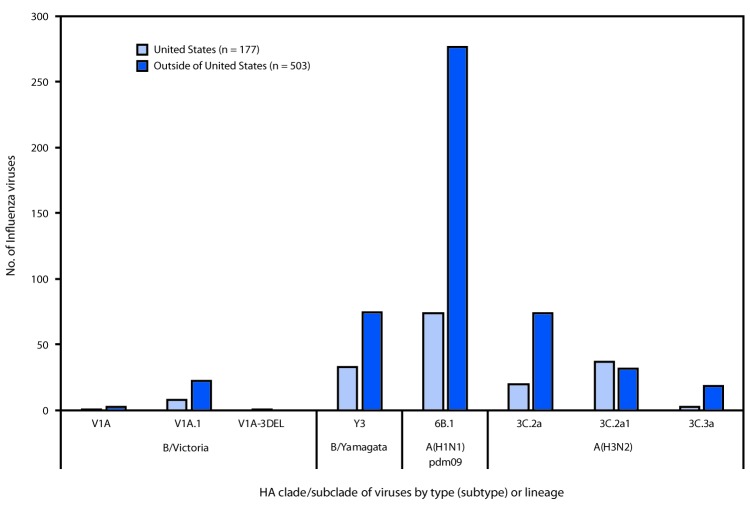
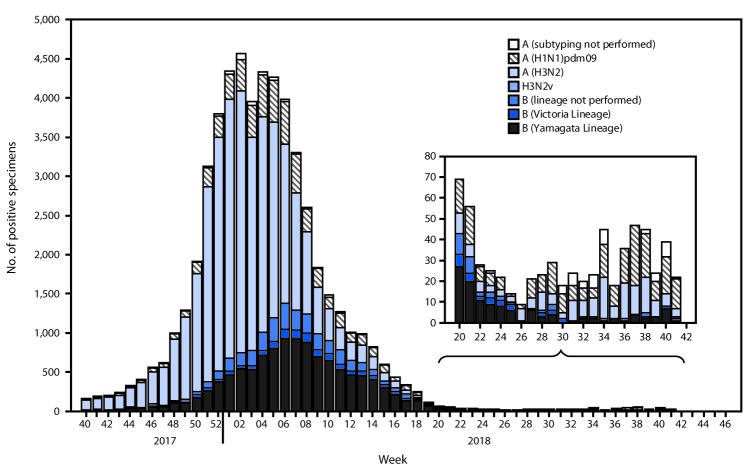
During May 20-October 13, 2018,* low levels of influenza activity were reported in the United States, with a mix of influenza A and B viruses circulating. Seasonal influenza activity in the Southern Hemisphere was low overall, with influenza A(H1N1)pdm09 predominating in many regions. Antigenic testing of available influenza A and B viruses indicated that no significant antigenic drift in circulating viruses had emerged. In late September, the components for the 2019 Southern Hemisphere influenza vaccine were selected and included an incremental update to the A(H3N2) vaccine virus used in egg-based vaccine manufacturing; no change was recommended for the A(H3N2) component of cell-manufactured or recombinant influenza vaccines. Annual influenza vaccination is the best method for preventing influenza illness and its complications, and all persons aged ≥6 months who do not have contraindications should receive influenza vaccine, preferably before the onset of influenza circulation in their community, which often begins in October and peaks during December-February. Health care providers should offer vaccination by the end of October and should continue to recommend and administer influenza vaccine to previously unvaccinated patients throughout the 2018-19 influenza season (1). In addition, during May 20-October 13, a small number of nonhuman influenza "variant" virus infections were reported in the United States; most were associated with exposure to swine. Although limited human-to-human transmission might have occurred in one instance, no ongoing community transmission was identified. Vulnerable populations, especially young children and other persons at high risk for serious influenza complications, should avoid swine barns at agricultural fairs, or close contact with swine..
2018 年 5 月 20 日至 10 月 13 日期间,*美国报告流感活动水平较低,同时存在甲型和乙型流感病毒共同传播的情况。南半球的季节性流感活动总体较低,许多地区以甲型流感病毒(H1N1)pdm09 为主。对现有甲型和乙型流感病毒的抗原性检测表明,流行病毒未出现明显抗原漂移。9 月下旬,选定了 2019 年南半球流感疫苗的组份,包括对基于鸡蛋的疫苗生产中使用的 A(H3N2)疫苗病毒进行了增量更新;细胞生产或重组流感疫苗的 A(H3N2)组份无需更改。每年接种流感疫苗是预防流感疾病及其并发症的最佳方法,所有无禁忌证的≥6 月龄人群均应接种流感疫苗,最好在其所在社区流感流行开始之前接种,通常在 10 月开始,12 月至 2 月达到高峰。卫生保健提供者应在 10 月底之前提供疫苗接种,并应在整个 2018-19 流感季节继续向以前未接种疫苗的患者推荐和接种流感疫苗(1)。此外,在 2018 年 5 月 20 日至 10 月 13 日期间,美国报告了少数非人类流感“变异”病毒感染;大多数与接触猪有关。尽管在一个病例中可能发生了有限的人际传播,但未发现持续的社区传播。脆弱人群,尤其是幼儿和其他有发生严重流感并发症风险的人,应避免在农业展览会上进入猪圈,或避免与猪近距离接触。