Choi Jun Young, Kim Ji Eun, Park Jin Ju, Lee Mi Rim, Song Bo Ram, Park Ji Won, Kang Mi Ju, Lee Hee Seob, Son Hong Joo, Hong Jin Tae, Hwang Dae Youn
College of Natural Resources and Life Science/Life and Industry Convergence Research Institute, Pusan National University, Miryang 627-706, Korea.
College of Human Ecology, Pusan National University, Busan 609-735, Korea.
J Clin Med. 2018 Oct 22;7(10):377. doi: 10.3390/jcm7100377.
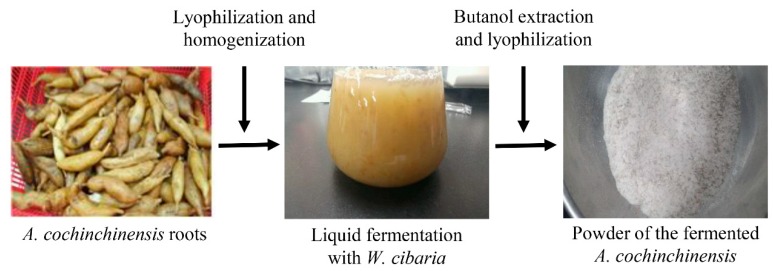
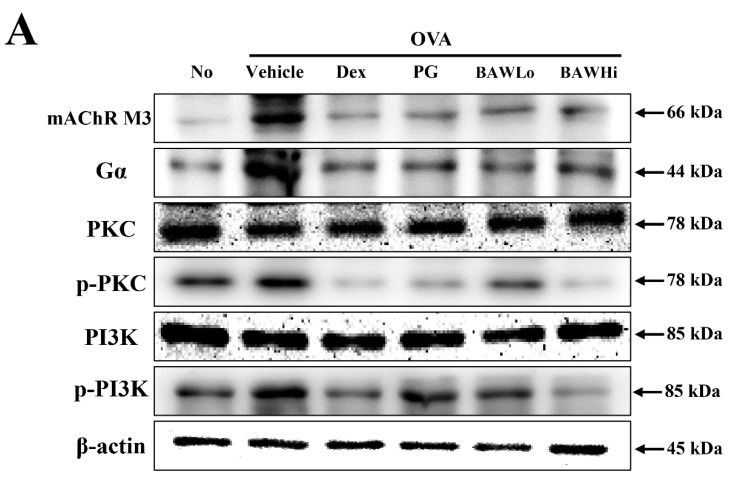
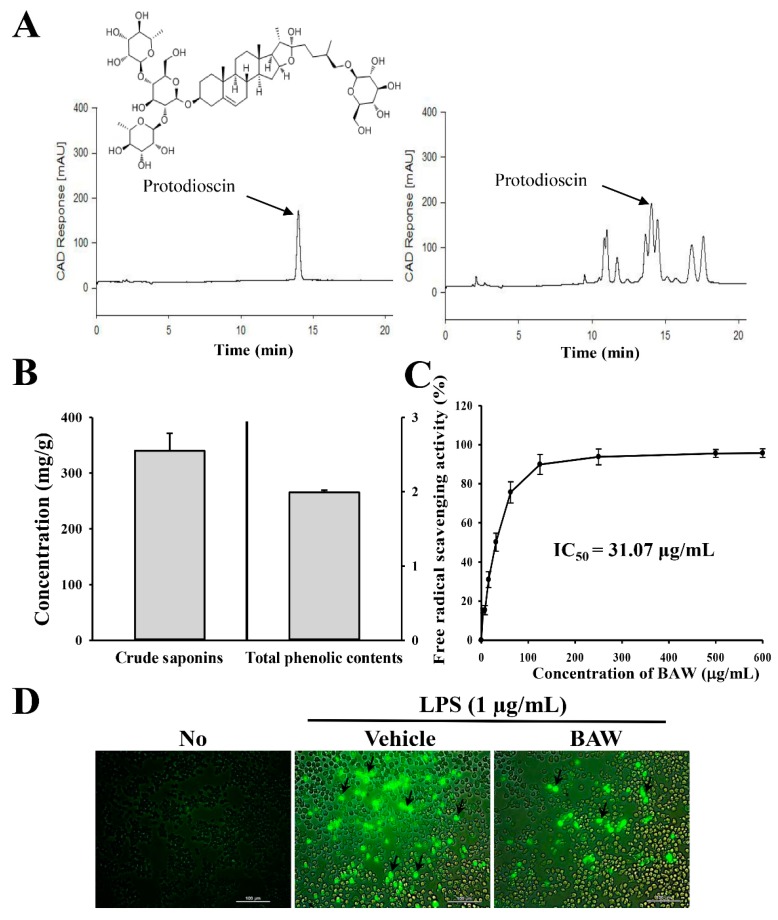
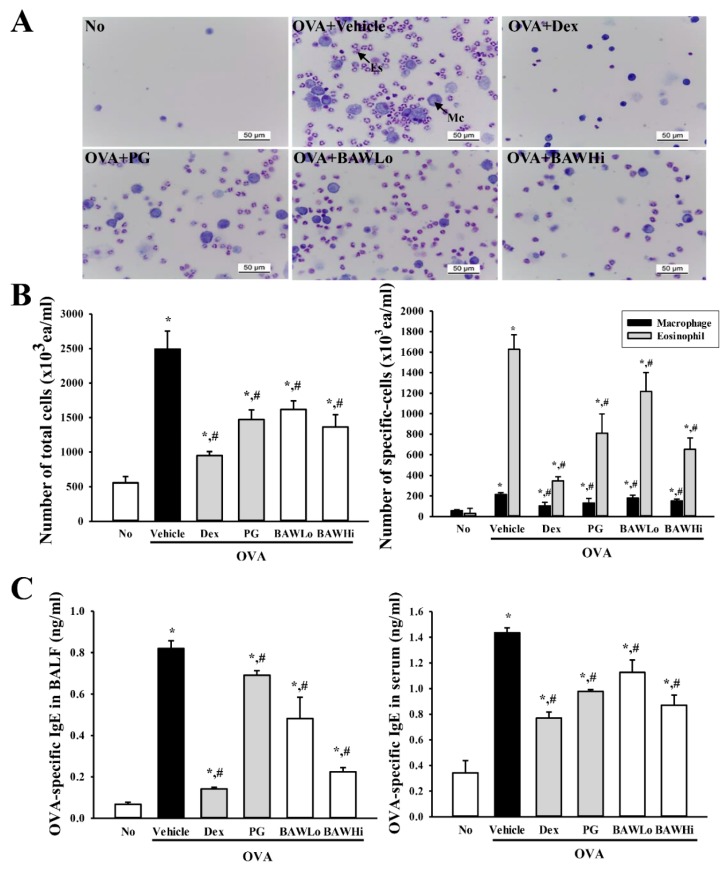
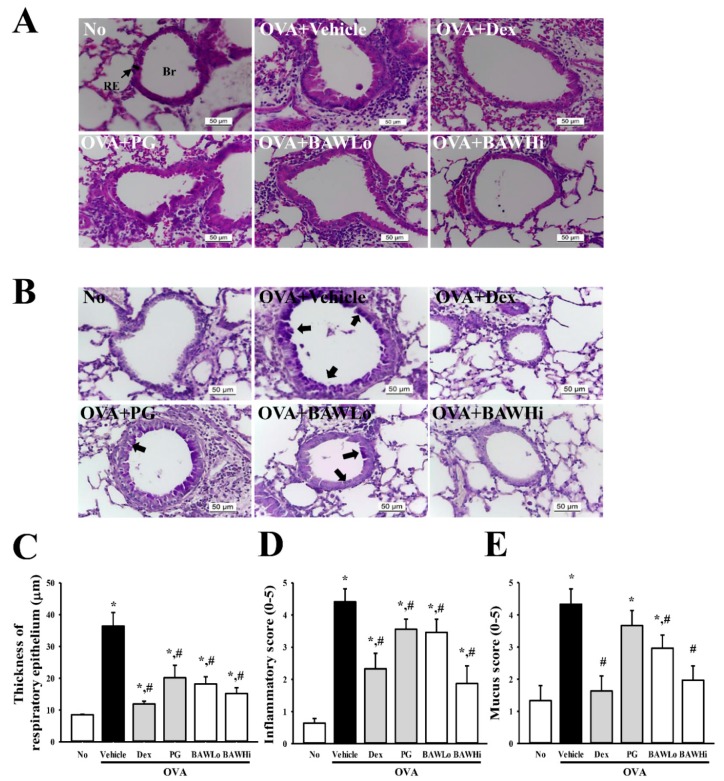
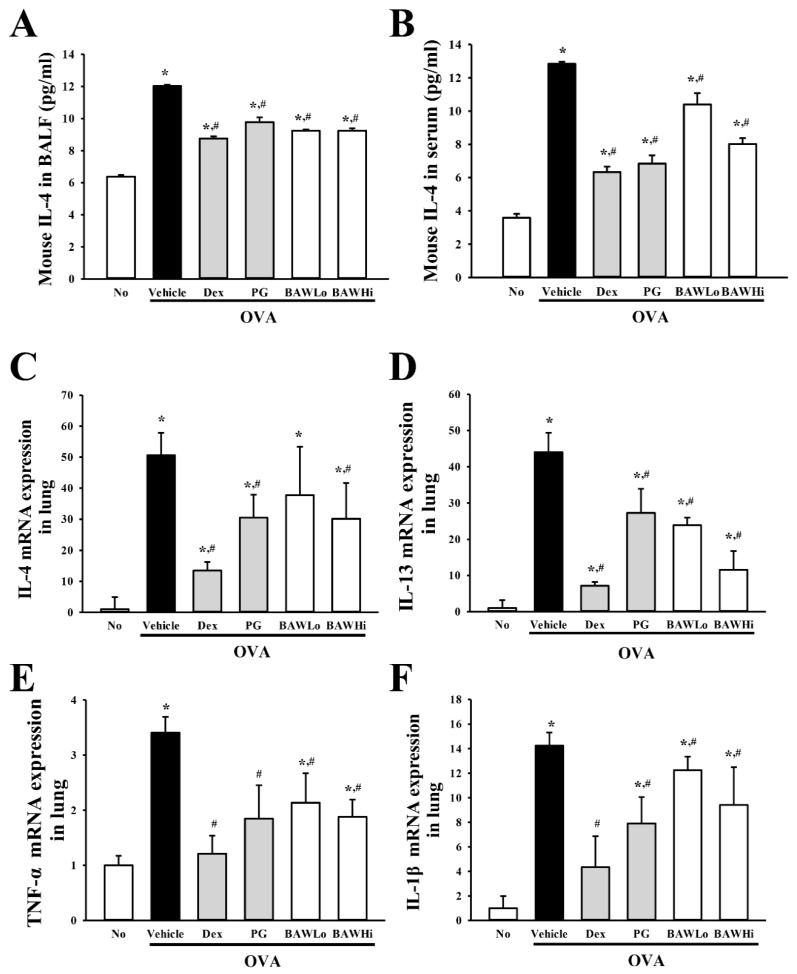
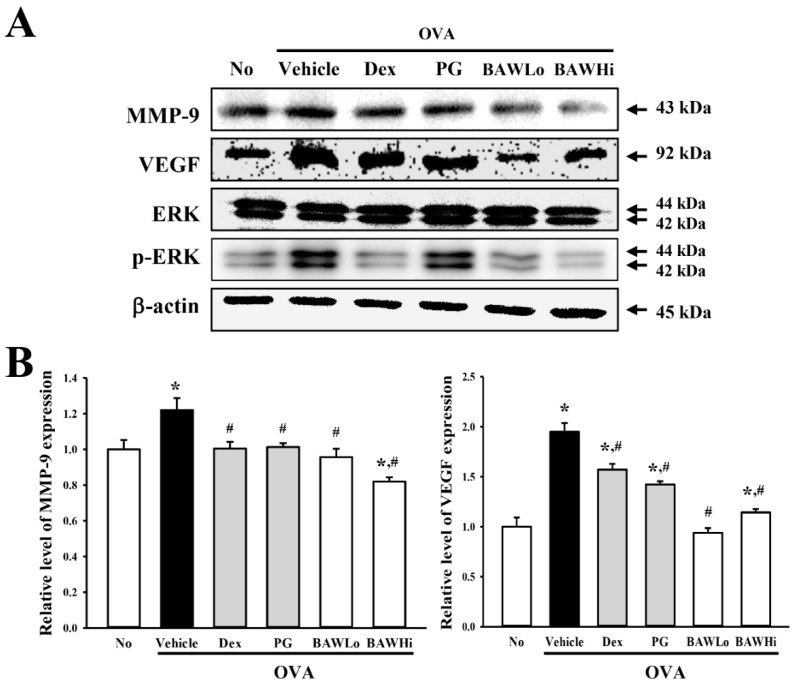
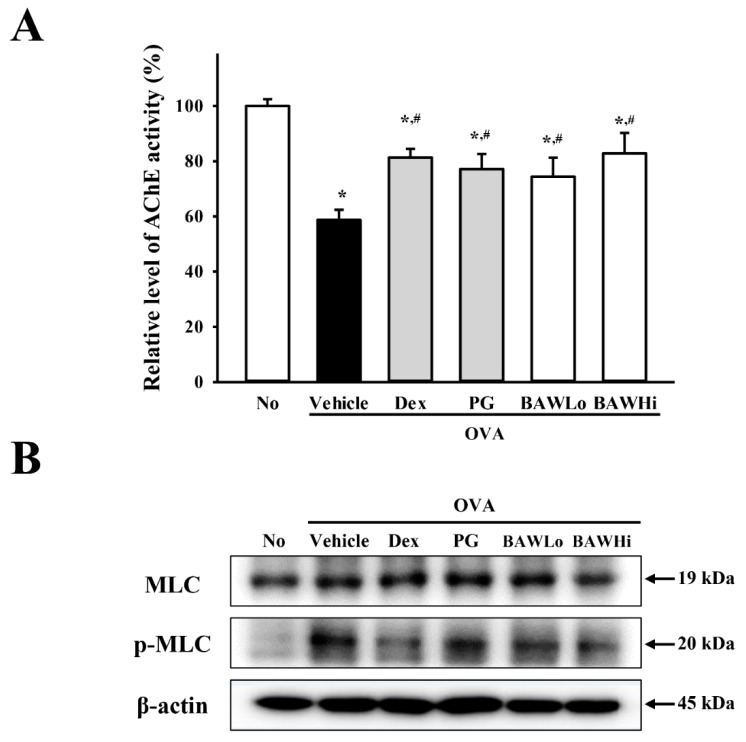
Roots of , which have pharmacologically active ingredients, have received great attention because they show good therapeutic effects for various inflammatory diseases without specific toxicity. This study investigated the anti-asthmatic effects of a butanol extract of roots that had been fermented with (BAW) and its possible underlying cholinergic regulation. Alterations of the anti-asthmatic markers and the molecular response factors were measured in an ovalbumin (OVA)-induced asthma model after treatment with BAW. Treatment with BAW decreased the intracellular reactive oxygen species (ROS) production in lipopolysaccharides (LPS) activated RAW264.7 cells. The results of the animal experiments revealed lower infiltration of inflammatory cells and bronchial thickness, and a significant reduction in the number of macrophages and eosinophils, concentration of OVA-specific IgE, and expression of Th2 cytokines in the OVA + BAW treated group. In addition, a significant recovery of goblet cell hyperplasia, MMP-9 expression, and the VEGF signaling pathway was observed upon airway remodeling in the OVA + BAW treated group. Furthermore, these responses of BAW were linked to recovery of acetylcholine esterase (AChE) activity and muscarinic acetylcholine receptor (mAChR) M3 downstream signaling pathway in epithelial cells, smooth muscle cells, and afferent sensory nerves of OVA + BAW-treated mice. Overall, these findings are the first to provide evidence that the therapeutic effects of BAW can prevent airway inflammation and remodeling through the recovery of cholinergic regulation in structural cells and inflammatory cells of the chronic asthma model.
含有药理活性成分的[植物名称]根因对各种炎症性疾病显示出良好的治疗效果且无特定毒性而备受关注。本研究调查了经[发酵菌名称]发酵的[植物名称]根丁醇提取物(BAW)的抗哮喘作用及其潜在的胆碱能调节机制。在用BAW处理卵清蛋白(OVA)诱导的哮喘模型后,检测了抗哮喘标志物和分子反应因子的变化。BAW处理降低了脂多糖(LPS)激活的RAW264.7细胞内活性氧(ROS)的产生。动物实验结果显示,OVA + BAW处理组的炎症细胞浸润和支气管厚度降低,巨噬细胞和嗜酸性粒细胞数量、OVA特异性IgE浓度以及Th2细胞因子表达显著减少。此外,在OVA + BAW处理组的气道重塑过程中,观察到杯状细胞增生、MMP - 9表达和VEGF信号通路有显著恢复。此外,BAW的这些反应与OVA + BAW处理小鼠的上皮细胞、平滑肌细胞和传入感觉神经中乙酰胆碱酯酶(AChE)活性和毒蕈碱型乙酰胆碱受体(mAChR)M3下游信号通路的恢复有关。总体而言,这些发现首次提供了证据,表明BAW的治疗作用可通过恢复慢性哮喘模型结构细胞和炎症细胞中的胆碱能调节来预防气道炎症和重塑。