Department of Life Science, Faculty of Life Science, Kyushu Sangyo Univ., 2-3-1 Matsukadai, Higashi-ku, Fukuoka, 813-8503, Japan.
Department of Pediatric Cardiology, Tokyo Women's Medical Univ., 8-1, Kawada-cho, Shinjuku-ku, Tokyo, 162-8666, Japan.
Sci Rep. 2018 Oct 30;8(1):16053. doi: 10.1038/s41598-018-34415-6.
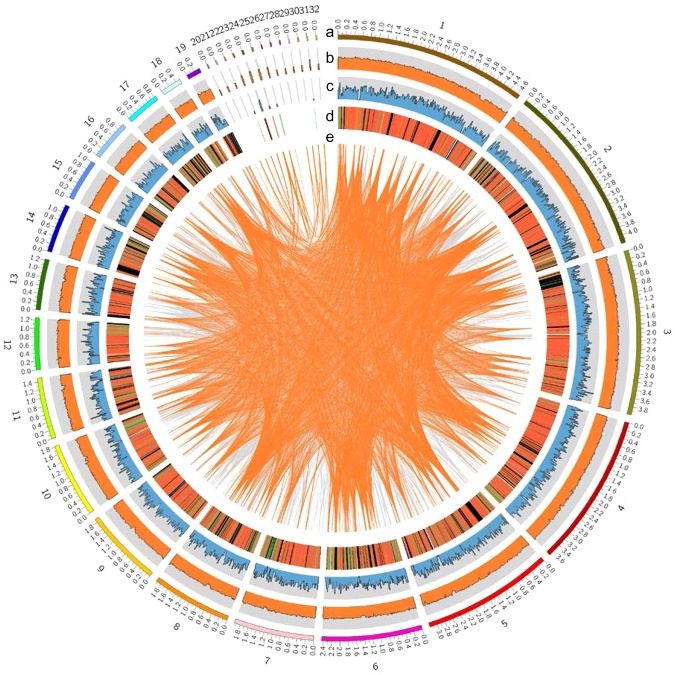
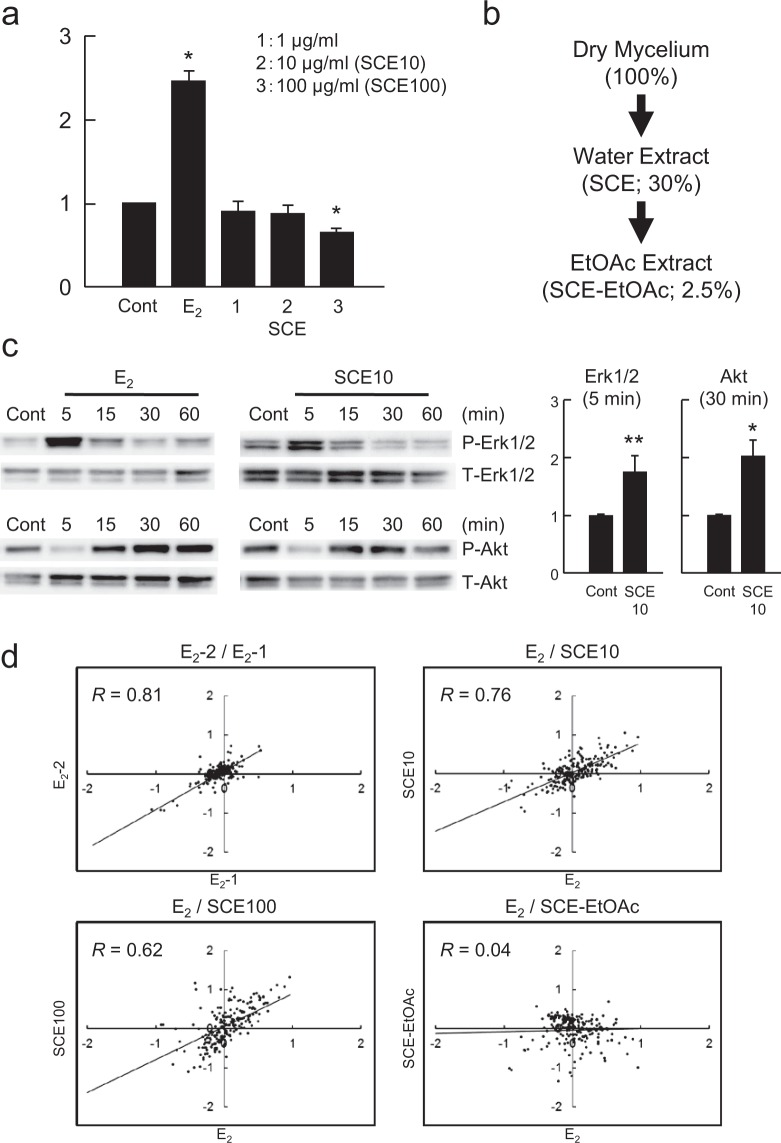
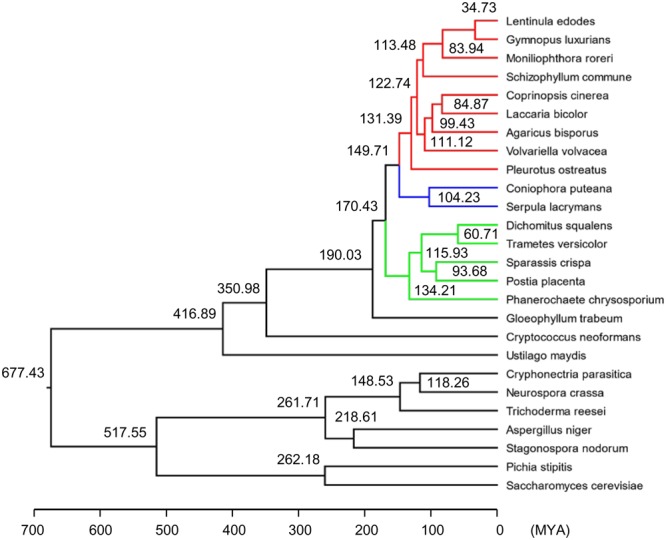
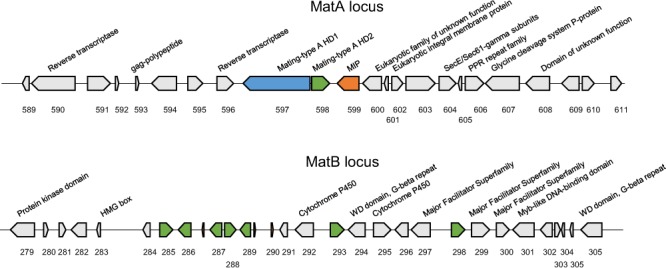
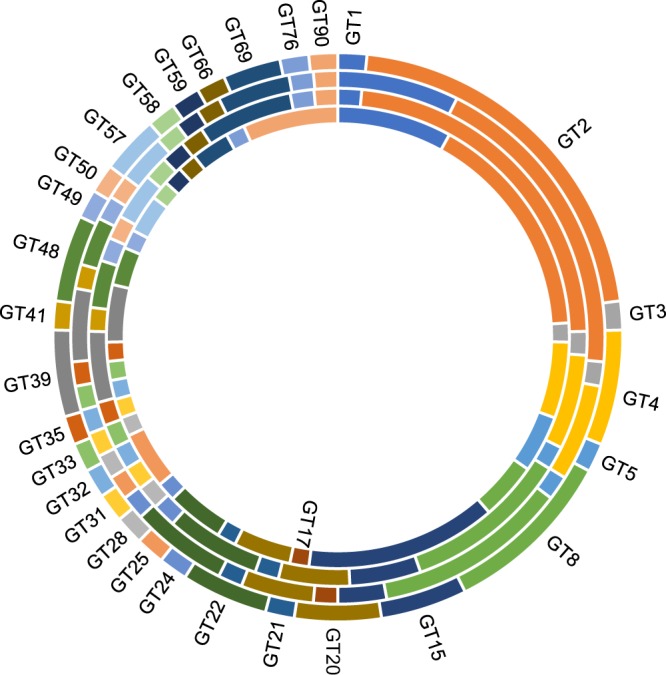
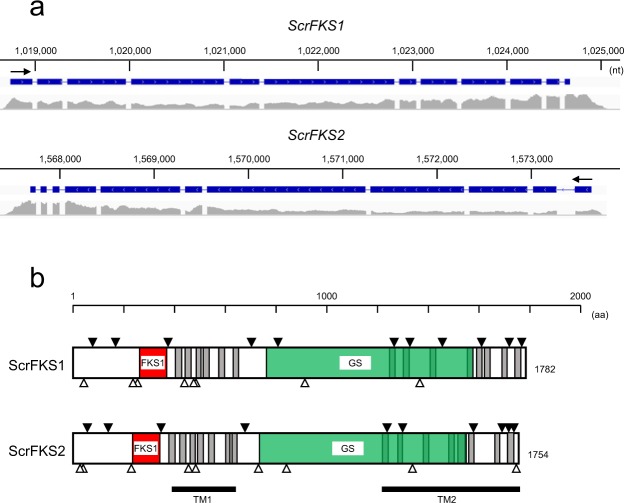
Sparassis crispa (Hanabiratake) is a widely used medicinal mushroom in traditional Chinese medicine because it contains materials with pharmacological activity. Here, we report its 39.0-Mb genome, encoding 13,157 predicted genes, obtained using next-generation sequencing along with RNA-seq mapping data. A phylogenetic analysis by comparison with 25 other fungal genomes revealed that S. crispa diverged from Postia placenta, a brown-rot fungus, 94 million years ago. Several features specific to the genome were found, including the A-mating type locus with the predicted genes for HD1 and HD2 heterodomain transcription factors, the mitochondrial intermediate peptidase (MIP), and the B-mating type locus with seven potential pheromone receptor genes and three potential pheromone precursor genes. To evaluate the benefits of the extract and chemicals from S. crispa, we adopted two approaches: (1) characterization of carbohydrate-active enzyme (CAZyme) genes and β-glucan synthase genes and the clusters of genes for the synthesis of second metabolites, such as terpenes, indoles and polyketides, and (2) identification of estrogenic activity in its mycelial extract. Two potential β-glucan synthase genes, ScrFKS1 and ScrFKS2, corresponding to types I and II, respectively, characteristic of Agaricomycetes mushrooms, were newly identified by the search for regions homologous to the reported features of β-glucan synthase genes; both contained the characteristic transmembrane regions and the regions homologous to the catalytic domain of the yeast β-glucan synthase gene FKS1. Rapid estrogenic cell-signaling and DNA microarray-based transcriptome analyses revealed the presence of a new category of chemicals with estrogenic activity, silent estrogens, in the extract. The elucidation of the S. crispa genome and its genes will expand the potential of this organism for medicinal and pharmacological purposes.
裂褶菌(Hanabiratake)是一种广泛应用于中药的药用蘑菇,因为它含有具有药理活性的物质。在这里,我们报告了它的 39.0-Mb 基因组,其中包含 13157 个预测基因,这些基因是使用下一代测序技术和 RNA-seq 映射数据获得的。通过与 25 个其他真菌基因组的比较进行系统发育分析表明,裂褶菌与褐腐菌 Postia placenta 在 9400 万年前就已经分化。还发现了几个特定于基因组的特征,包括 A-交配型基因座,其中包含 HD1 和 HD2 异二聚体转录因子的预测基因、线粒体中间肽酶(MIP)以及 B-交配型基因座,其中包含 7 个潜在的信息素受体基因和 3 个潜在的信息素前体基因。为了评估裂褶菌提取物和化学物质的益处,我们采用了两种方法:(1)鉴定碳水化合物活性酶(CAZyme)基因和β-葡聚糖合酶基因以及萜类、吲哚和聚酮类等次生代谢物合成的基因簇,(2)鉴定其菌丝体提取物中的雌激素活性。通过搜索与报道的β-葡聚糖合酶基因特征相对应的区域,新鉴定出两个潜在的β-葡聚糖合酶基因 ScrFKS1 和 ScrFKS2,分别对应于 Agaricomycetes 蘑菇的类型 I 和 II;两者都包含特征性的跨膜区域和与酵母β-葡聚糖合酶基因 FKS1 的催化结构域同源的区域。快速的雌激素细胞信号转导和基于 DNA 微阵列的转录组分析揭示了提取物中存在一种新的具有雌激素活性的化学物质类别,即沉默雌激素。裂褶菌基因组及其基因的阐明将扩大该生物在医学和药理学方面的应用潜力。