Ibañez-Justicia A, Poortvliet P M, Koenraadt C J M
Centre for Monitoring of Vectors (CMV), Netherlands Food and Consumer Product Safety Authority (NVWA), Wageningen, the Netherlands.
Department of Social Sciences - Strategic Communication, Wageningen University and Research, Wageningen, the Netherlands.
Med Vet Entomol. 2019 Mar;33(1):78-88. doi: 10.1111/mve.12344. Epub 2018 Nov 14.
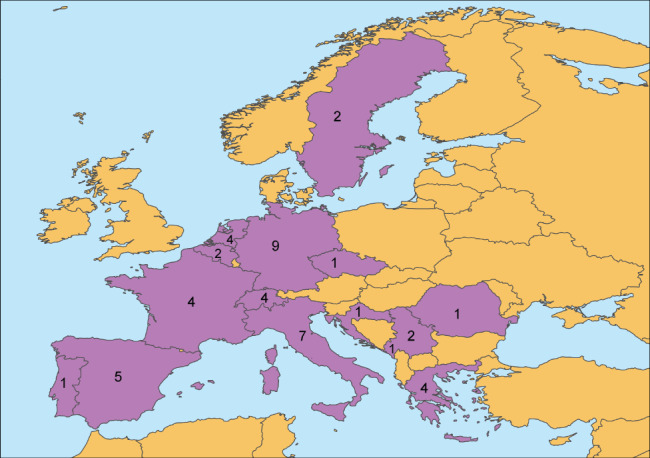
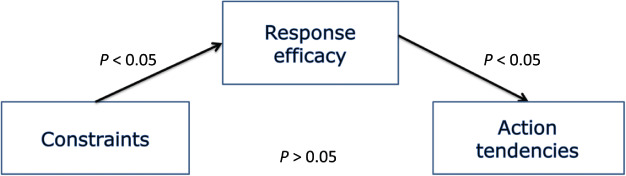
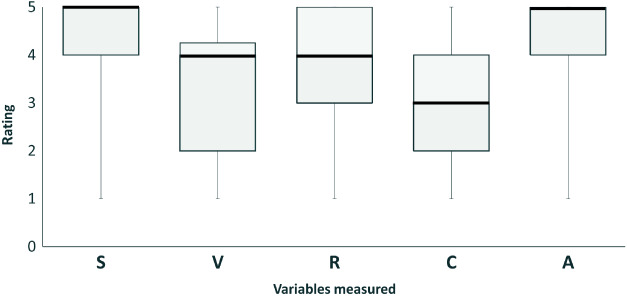
In several reported cases of the entry of invasive mosquito species (IMSs) into Europe, the introduction was associated with a specific pathway of introduction or dispersal. The identification of potential pathways for the introduction of IMSs and evaluations of the importance of the different pathways are key to designing proper surveillance strategies to promptly detect and control introductions in non-infested areas. The main goals of the present study were to identify other, previously undocumented, pathways of introduction into Europe, and to identify mosquito experts' perceptions regarding control measures against IMS introductions via different documented pathways. At the European Mosquito Control Association (EMCA) conference in Montenegro in March 2017, a questionnaire was distributed among meeting participants to collect expert data. Results showed that ground transportation (by cars, trucks, etc.), passive natural dispersal and the shipping of used tyres are perceived as the most likely pathways. Introduction via aircraft did not appear to be well known and was not perceived as probable. This study shows that there were no pathways unknown to European experts that could lead to cryptic introductions into the experts' countries. Furthermore, the findings demonstrated that the perceived efficacy of surveillance and control is key to overcoming the constraints experienced and to supporting the implementation of actions against introductions.
在几起已报道的入侵性蚊虫物种(IMSs)进入欧洲的案例中,其引入与特定的引入或扩散途径相关。识别IMSs引入的潜在途径并评估不同途径的重要性,是设计适当监测策略以在未受侵扰地区及时发现并控制引入的关键。本研究的主要目标是识别其他此前未记录的进入欧洲的途径,并确定蚊虫专家对通过不同记录途径引入IMSs的控制措施的看法。在2017年3月于黑山举行的欧洲蚊虫控制协会(EMCA)会议上,向与会者发放了一份问卷以收集专家数据。结果显示,地面运输(通过汽车、卡车等)、被动自然扩散和废旧轮胎运输被视为最有可能的途径。通过飞机引入似乎并不为人熟知,也不被认为很有可能。这项研究表明,欧洲专家不知道有任何可能导致隐秘引入其所在国家的途径。此外,研究结果表明,监测和控制的预期效果是克服所遇到的限制并支持针对引入采取行动的关键。