Dairy Research Institute (IPLA-CSIC), Paseo Rio Linares s/n, 33300, Villaviciosa, Spain.
Instituto Universitario de Oncología (IUOPA), Universidad de Oviedo, Av. Julián Clavería, s/n, 33006, Oviedo, Spain.
Sci Rep. 2018 Nov 19;8(1):17038. doi: 10.1038/s41598-018-35125-9.
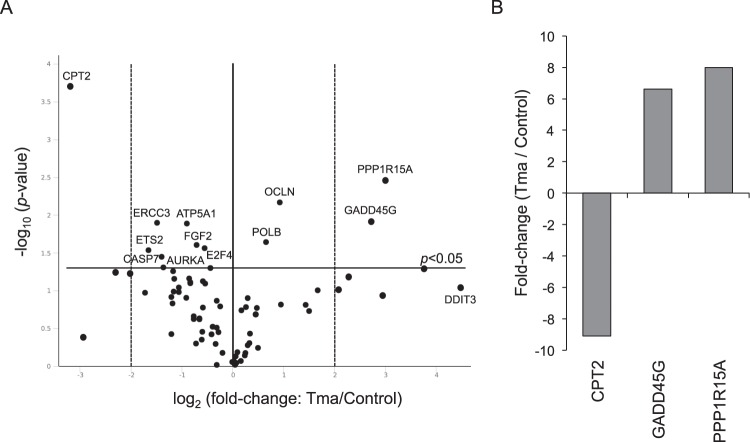
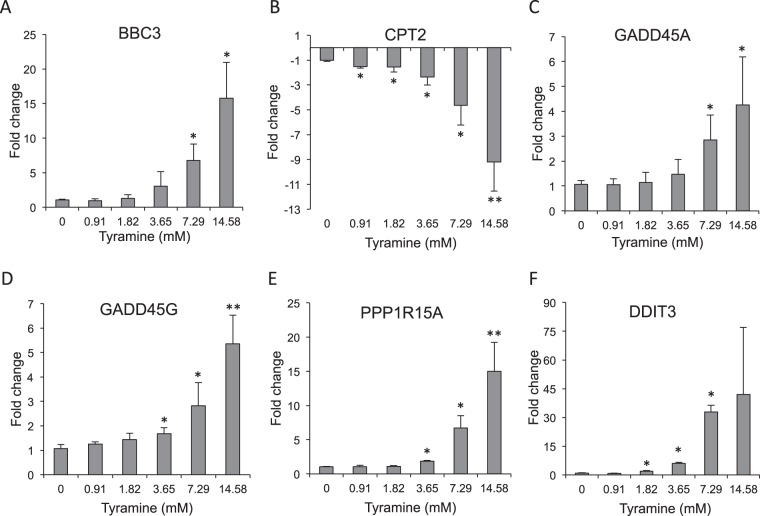
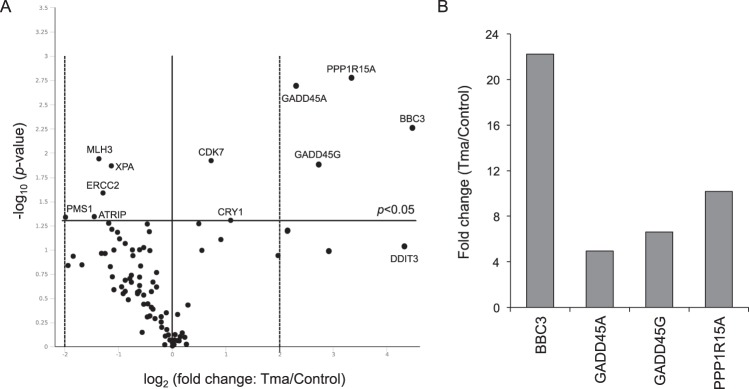
Tyramine, histamine and putrescine are the most commonly detected and most abundant biogenic amines (BA) in food. The consumption of food with high concentrations of these BA is discouraged by the main food safety agencies, but legal limits have only been set for histamine. The present work reports a transcriptomic investigation of the oncogenic potential of the above-mentioned BA, as assessed in the HT29 human intestinal epithelial cell line. Tyramine had a greater effect on the expression of genes involved in tumorigenesis than did histamine or putrescine. Since some of the genes that showed altered expression in tyramine-exposed cells are involved in DNA damage and repair, the effect of this BA on the expression of other genes involved in the DNA damage response was investigated. The results suggest that tyramine might be genotoxic for intestinal cells at concentrations easily found in BA-rich food. Moreover, a role in promoting intestinal cancer cannot be excluded.
酪胺、组胺和腐胺是食品中最常见和最丰富的生物胺(BA)。主要食品安全机构不鼓励食用这些 BA 浓度高的食物,但仅对组胺设定了法定限量。本工作报告了上述 BA 的致癌潜力的转录组学研究,该研究在 HT29 人肠上皮细胞系中进行。与组胺或腐胺相比,酪胺对参与肿瘤发生的基因表达有更大的影响。由于在暴露于酪胺的细胞中表达改变的一些基因参与 DNA 损伤和修复,因此研究了该 BA 对其他参与 DNA 损伤反应的基因表达的影响。结果表明,在 BA 丰富的食物中很容易发现的浓度下,酪胺可能对肠道细胞具有遗传毒性。此外,不能排除其在促进肠道癌症方面的作用。