Max-Planck Institute for Polymer Research, Ackermannweg 10, 55128 Mainz, Germany.
Chem Soc Rev. 2018 Dec 21;47(24):9069-9105. doi: 10.1039/c8cs00590g. Epub 2018 Nov 19.
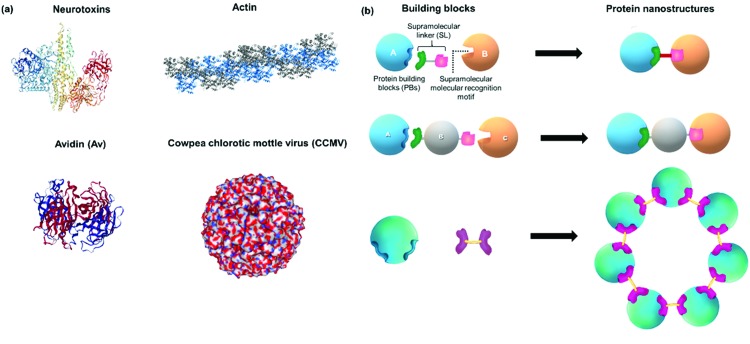
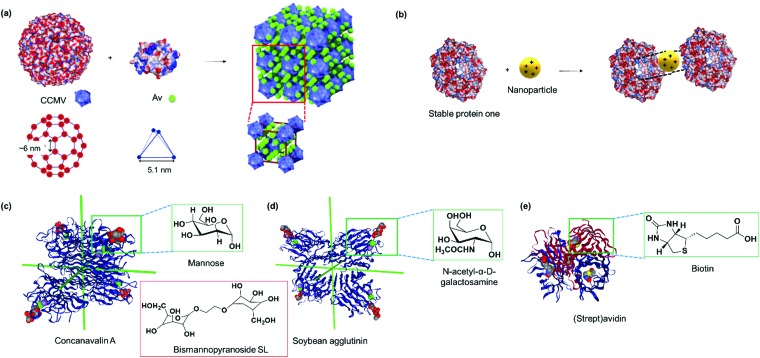
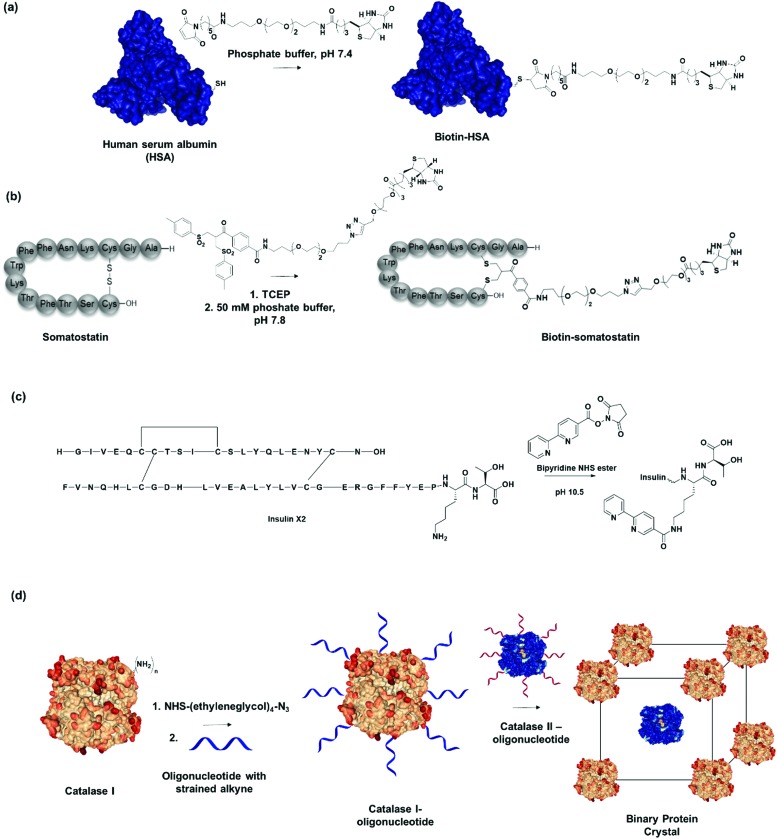
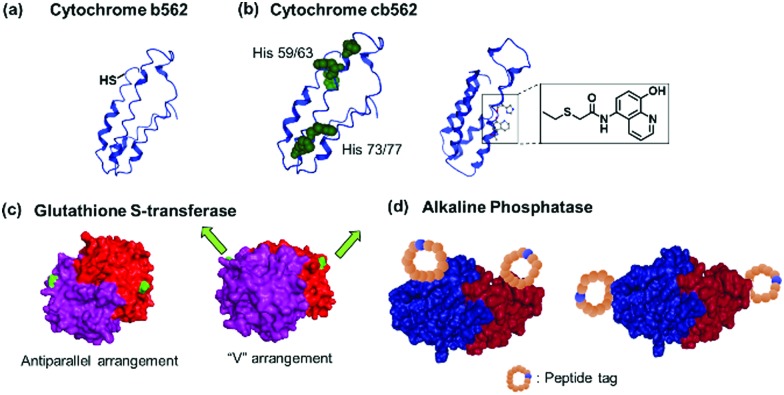
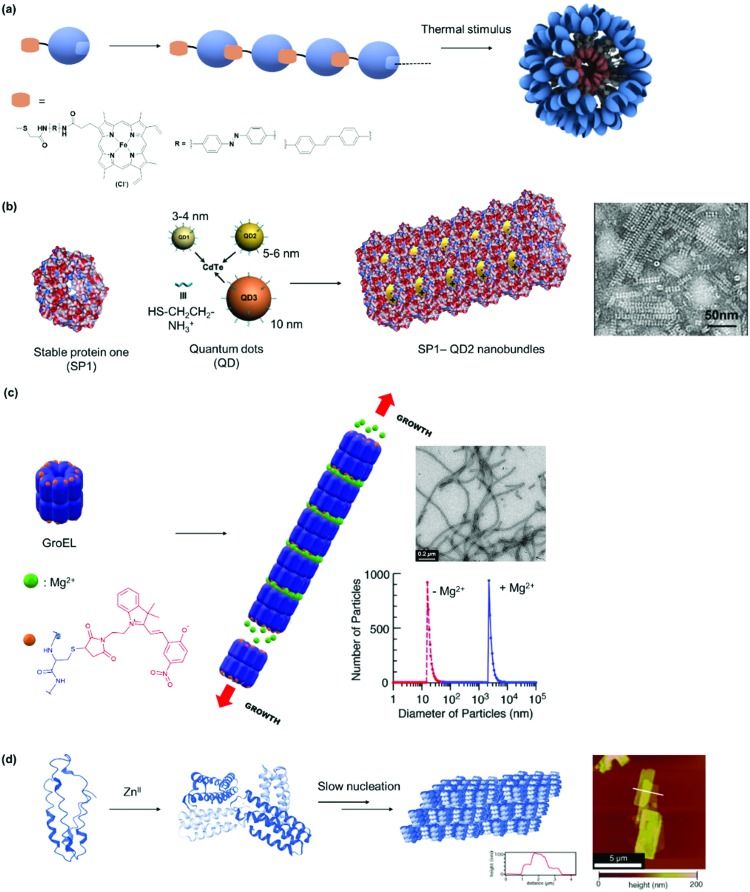
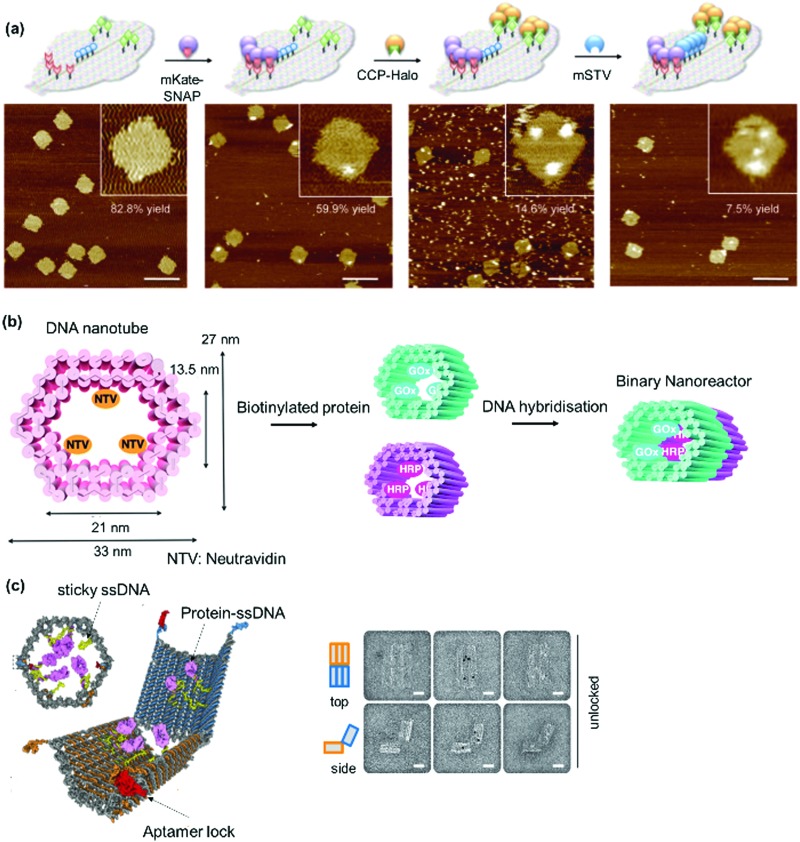
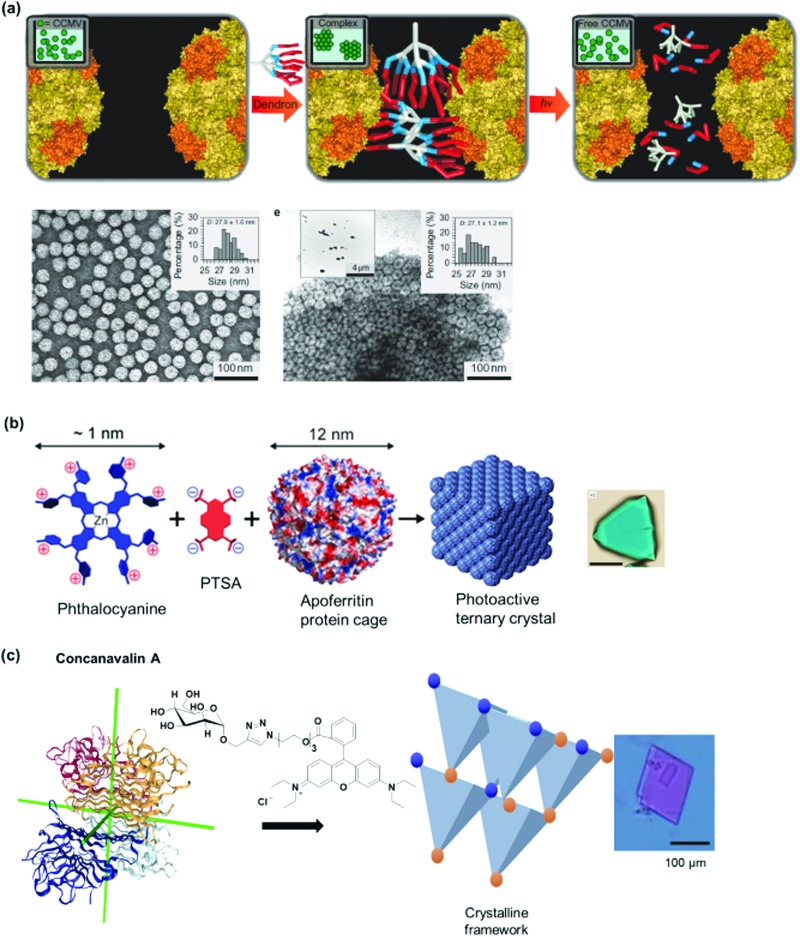
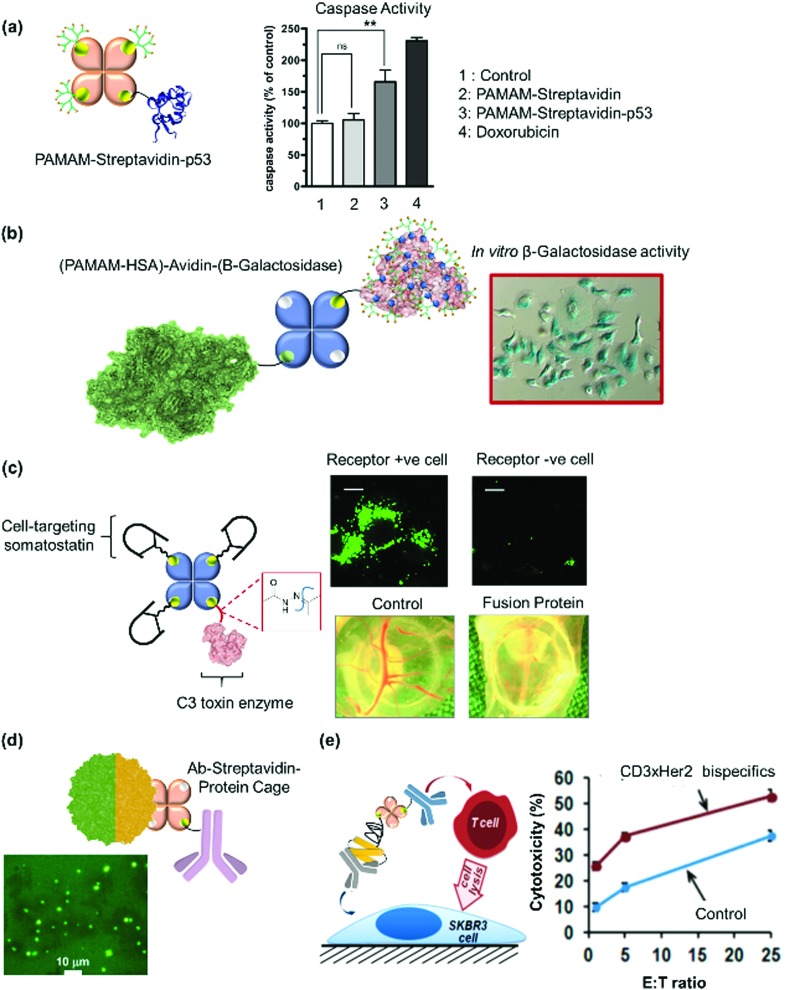
Nature has evolved an optimal synthetic factory in the form of translational and posttranslational processes by which millions of proteins with defined primary sequences and 3D structures can be built. Nature's toolkit gives rise to protein building blocks, which dictates their spatial arrangement to form functional protein nanostructures that serve a myriad of functions in cells, ranging from biocatalysis, formation of structural networks, and regulation of biochemical processes, to sensing. With the advent of chemical tools for site-selective protein modifications and recombinant engineering, there is a rapid development to develop and apply synthetic methods for creating structurally defined, functional protein nanostructures for a broad range of applications in the fields of catalysis, materials and biomedical sciences. In this review, design principles and structural features for achieving and characterizing functional protein nanostructures by synthetic approaches are summarized. The synthetic customization of protein building blocks, the design and introduction of recognition units and linkers and subsequent assembly into structurally defined protein architectures are discussed herein. Key examples of these supramolecular protein nanostructures, their unique functions and resultant impact for biomedical applications are highlighted.
自然界通过翻译后和翻译后加工过程进化出了一个最佳的合成工厂,通过这个过程可以构建具有明确一级序列和 3D 结构的数百万种蛋白质。自然界的工具包产生了蛋白质构建块,决定了它们的空间排列,形成功能性的蛋白质纳米结构,在细胞中具有多种功能,从生物催化、结构网络的形成和生化过程的调节,到传感。随着用于位点选择性蛋白质修饰和重组工程的化学工具的出现,人们迅速发展了用于创建具有结构定义的功能性蛋白质纳米结构的合成方法,这些方法在催化、材料和生物医学科学等领域有广泛的应用。在这篇综述中,总结了通过合成方法实现和表征功能性蛋白质纳米结构的设计原则和结构特征。本文讨论了蛋白质构建块的合成定制、识别单元和连接子的设计和引入以及随后组装成结构定义明确的蛋白质结构。突出了这些超分子蛋白质纳米结构的关键实例、它们的独特功能以及对生物医学应用的影响。