Zanin Tanja Z, Hersey Denise P, Cone David C, Agrawal Pooja
Department of Emergency Medicine, Yale University School of Medicine, United States.
Cushing/Whitney Medical Library, Yale University Sterling Hall of Medicine, United States.
Afr J Emerg Med. 2016 Jun;6(2):70-79. doi: 10.1016/j.afjem.2016.02.003. Epub 2016 Apr 8.
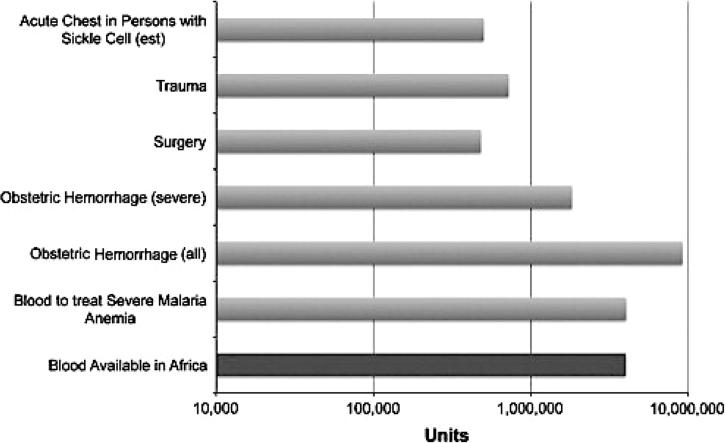
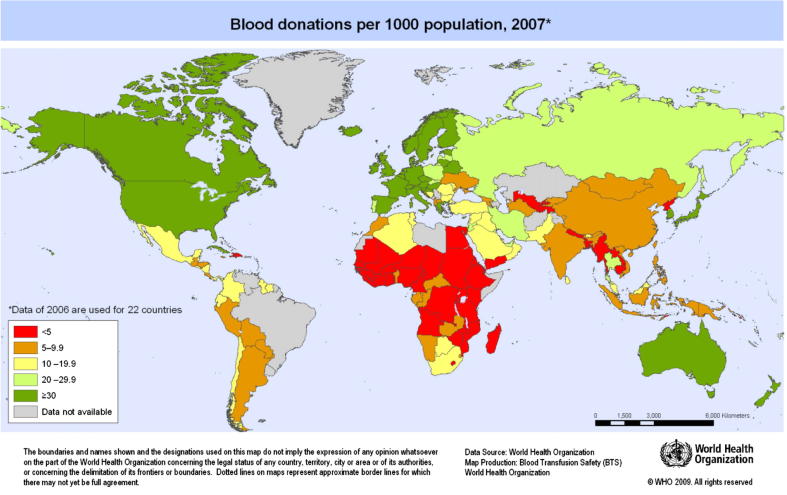
Sub-Saharan Africa (SSA) has a need for blood and blood products that exceeds current availability. This unmet demand is evidenced by persistently high mortality rates associated with potentially reversible conditions such as haemorrhage and anaemia. This study reviews current literature on blood donation in SSA to identify common local motivators and deterrents to blood donation and highlights specific interventions that have successfully increased the number of blood donors in this region.
The authors searched the health literature to identify original studies conducted in SSA that addressed blood donation motivators and deterrents. Data were then extracted from each study to determine how often each study identified specific motivators and deterrents.
Pro-social motivation, such as altruism and the desire to have a positive effect on the community, is the most frequently noted reason for people in SSA countries to donate blood. Negative attitudes and misconceptions towards blood donation, in addition to perceived negative health effects caused by donation, are the two most frequently mentioned reasons that dissuade individuals from donating blood.
Due to paucity of research on this topic, our understanding of blood donor behaviour in SSA is limited. Local traditions and cultures intimately shape individuals' proclivity towards the donation process. In order to change the attitudes and behaviours of many potential donors in SSA it is important to address the deterrents to blood donation, as many represent misconceptions or culture-specific beliefs that may be the ultimate driving force dictating donor behaviour.
撒哈拉以南非洲地区(SSA)对血液及血液制品的需求超过了当前的供应水平。与出血和贫血等潜在可逆病症相关的持续高死亡率就证明了这一未得到满足的需求。本研究回顾了关于SSA地区献血的现有文献,以确定当地常见的献血动机和阻碍因素,并强调了在该地区成功增加献血者数量的具体干预措施。
作者检索了健康领域文献,以确定在SSA地区开展的涉及献血动机和阻碍因素的原创研究。然后从每项研究中提取数据,以确定每项研究识别出特定动机和阻碍因素的频率。
亲社会动机,如利他主义以及希望对社区产生积极影响,是SSA国家民众献血最常被提及的原因。对献血的负面态度和误解,以及认为献血会对健康产生负面影响,是劝阻个人献血最常被提及的两个原因。
由于关于该主题的研究较少,我们对SSA地区献血者行为的了解有限。当地传统和文化密切影响着个人对献血过程的倾向。为了改变SSA地区许多潜在献血者的态度和行为,解决献血阻碍因素很重要,因为许多阻碍因素代表着误解或特定文化背景下的观念,可能是决定献血者行为的最终驱动力。