Yohan Darren, Cruje Charmainne, Lu Xiaofeng, Chithrani Devika B
1Department of Physics, Ryerson University, 350 Victoria Street, Toronto, ON M5B 2K3 Canada.
2Keenan Research Centre, Li Ka Shing Knowledge Institute, St. Michael's Hospital, Toronto, ON Canada.
Nanomicro Lett. 2016;8(1):44-53. doi: 10.1007/s40820-015-0060-6. Epub 2015 Sep 15.
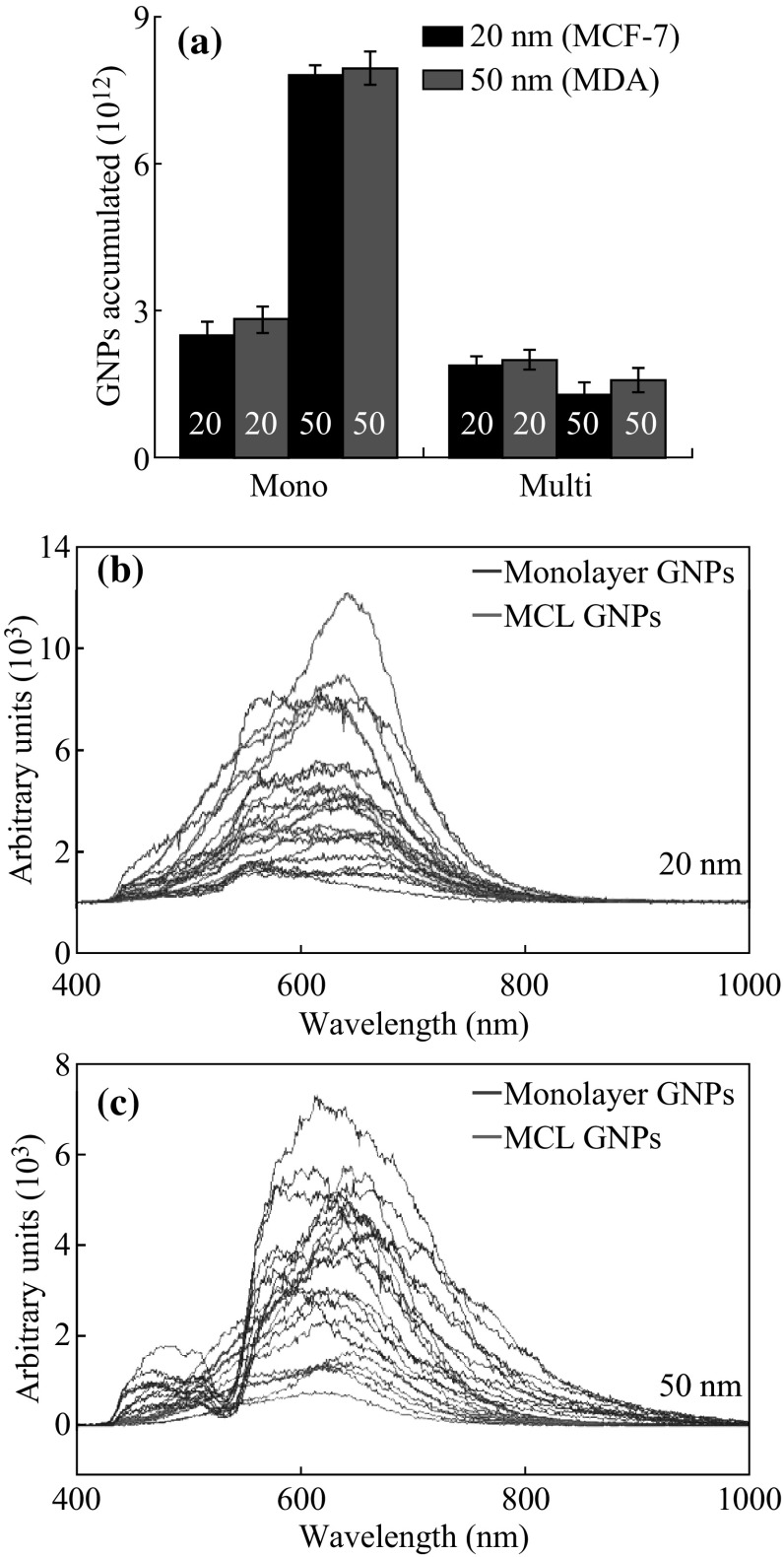
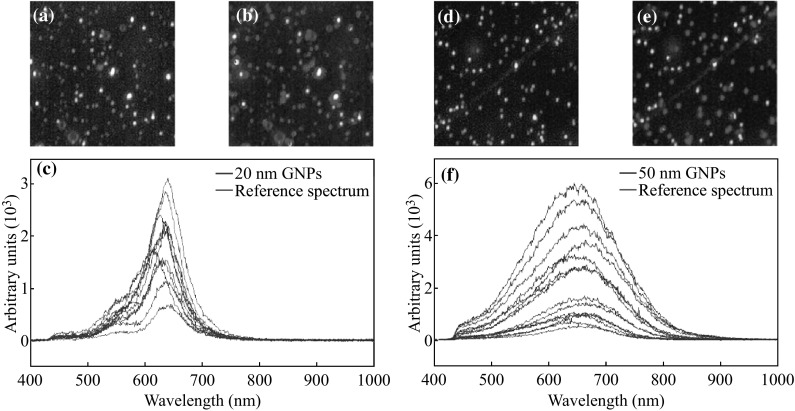
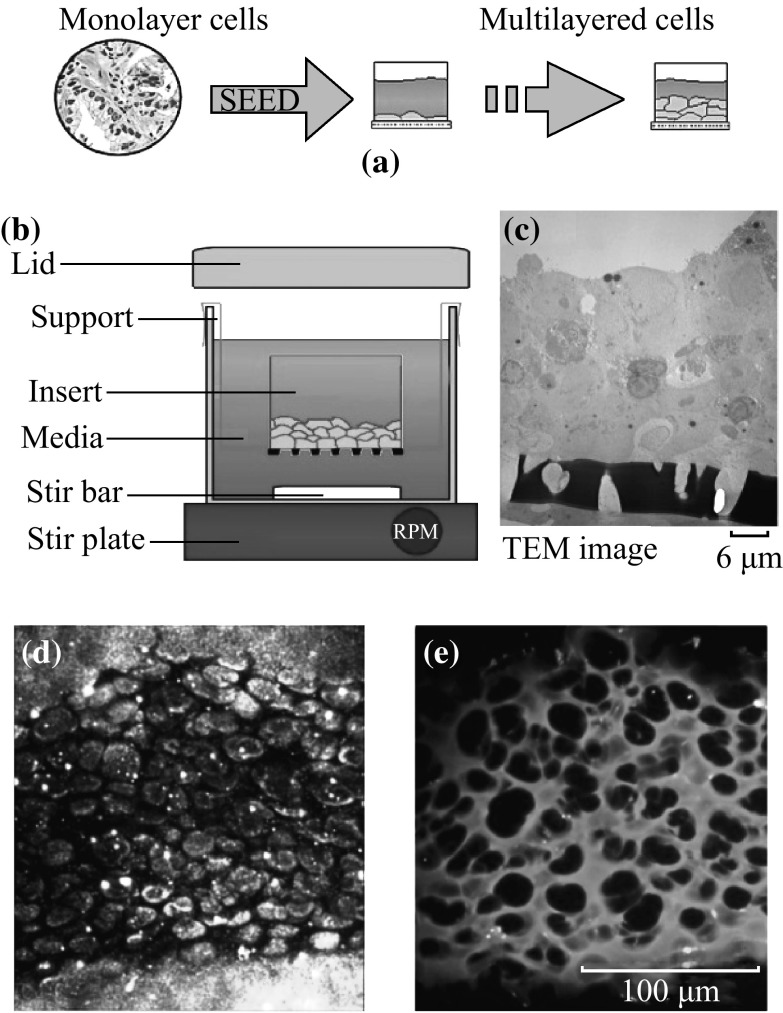
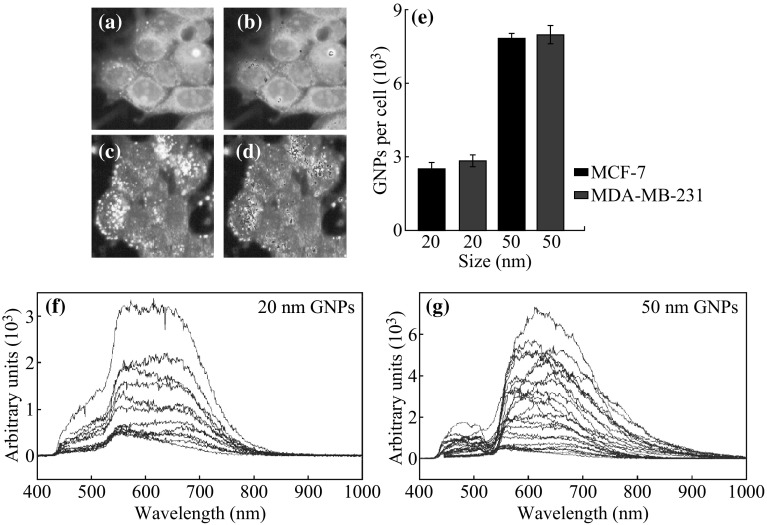
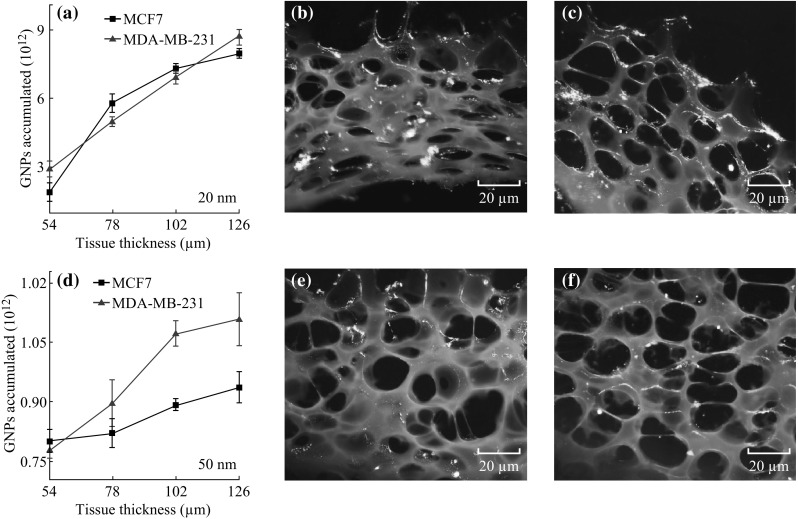
Gold nanoparticles (GNPs) are emerging as a novel tool to improve existing cancer therapeutics. GNPs are being used as radiation dose enhancers in radiation therapy as well as anticancer drugs carriers in chemotherapy. However, the success of GNP-based therapeutics depends on their ability to penetrate tumor tissue. GNPs of 20 and 50 nm diameters were used to elucidate the effects of size on the GNP interaction with tumor cells at monolayer and multilayer level. At monolayer cell level, smaller NPs had a lower uptake compared to larger NPs at monolayer cell level. However, the order was reversed at tissue-like multilayer level. The smaller NPs penetrated better compared to larger NPs in tissue-like materials. Based on our study using tissue-like materials, we can predict that the smaller NPs are better for future therapeutics due to their greater penetration in tumor tissue once leaving the leaky blood vessels. In this study, tissue-like multilayer cellular structures (MLCs) were grown to model the post-vascular tumor environment. The MLCs exhibited a much more extensive extracellular matrix than monolayer cell cultures. The MLC model can be used to optimize the nano-micro interface at tissue level before moving into animal models. This would accelerate the use of NPs in future cancer therapeutics.
金纳米颗粒(GNPs)正成为一种改善现有癌症治疗方法的新型工具。金纳米颗粒在放射治疗中被用作辐射剂量增强剂,在化疗中被用作抗癌药物载体。然而,基于金纳米颗粒的治疗方法的成功取决于它们穿透肿瘤组织的能力。使用直径为20和50纳米的金纳米颗粒来阐明尺寸对金纳米颗粒在单层和多层水平与肿瘤细胞相互作用的影响。在单层细胞水平,较小的纳米颗粒与较大的纳米颗粒相比摄取量较低。然而,在类似组织的多层水平上顺序则相反。在类似组织的材料中,较小的纳米颗粒比较大的纳米颗粒穿透性更好。基于我们使用类似组织材料的研究,我们可以预测,较小的纳米颗粒因其一旦离开渗漏血管后在肿瘤组织中的更大穿透性而更适合未来的治疗。在本研究中,培养了类似组织的多层细胞结构(MLCs)以模拟血管后的肿瘤环境。与单层细胞培养相比,MLCs表现出更广泛的细胞外基质。MLC模型可用于在进入动物模型之前在组织水平优化纳米-微米界面。这将加速纳米颗粒在未来癌症治疗中的应用。