Department of Chemistry, Boston College, Chestnut Hill, MA 02467, United States.
Department of Chemistry, Boston College, Chestnut Hill, MA 02467, United States.
Curr Opin Chem Biol. 2019 Feb;48:96-105. doi: 10.1016/j.cbpa.2018.11.002. Epub 2018 Nov 30.
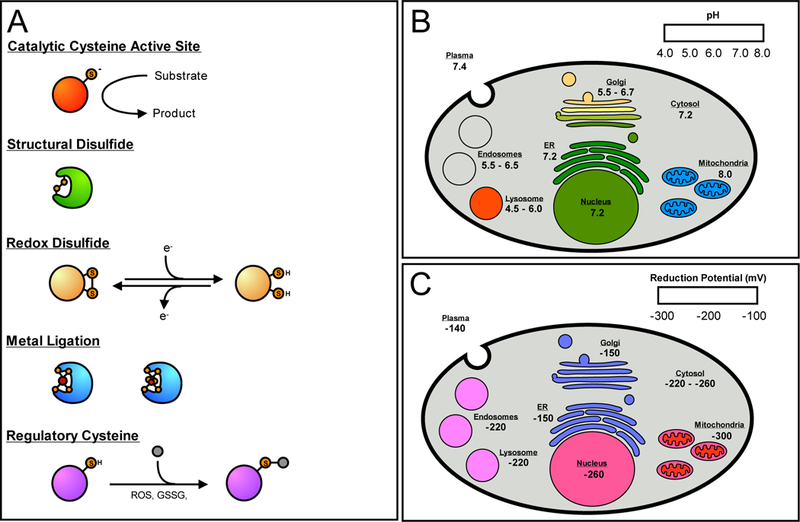
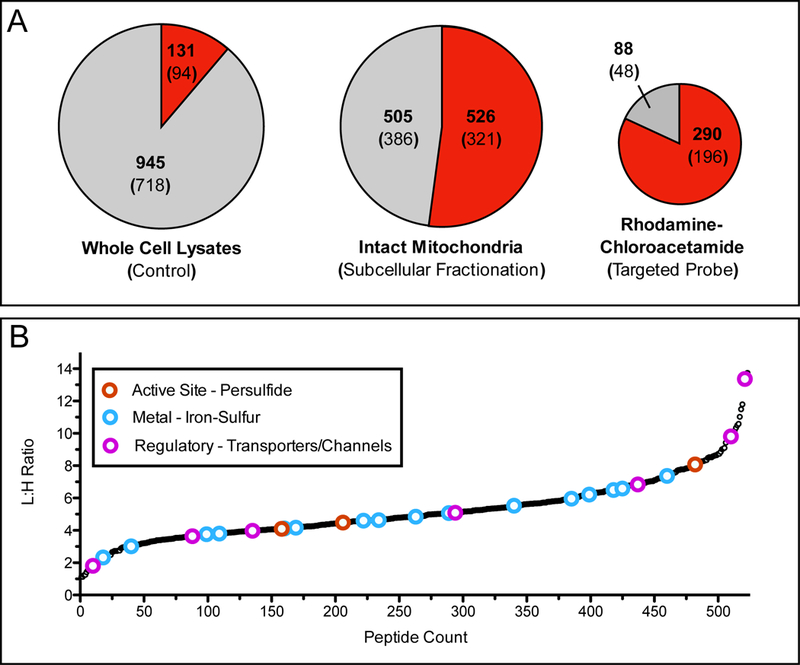
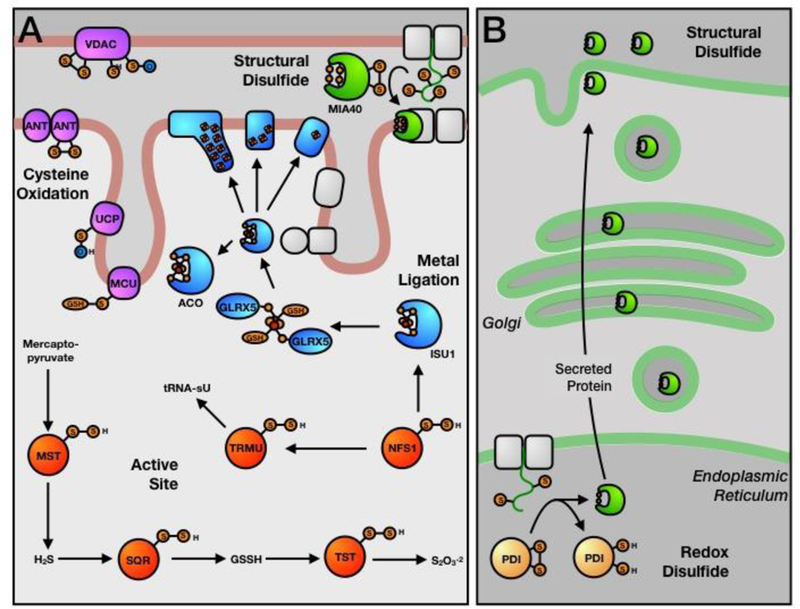
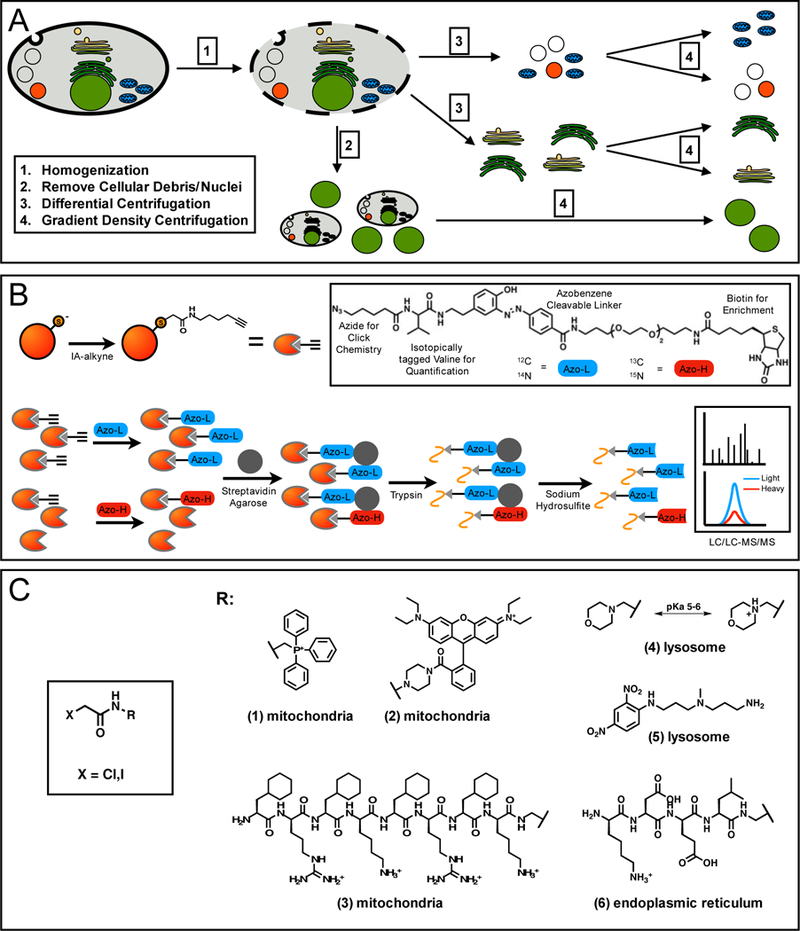
Cysteine residues are concentrated at key functional sites within proteins, performing diverse roles in metal binding, catalysis, and redox chemistry. Chemoproteomic platforms to interrogate the reactive cysteinome have developed significantly over the past 10 years, resulting in a greater understanding of cysteine functionality, modification, and druggability. Recently, chemoproteomic methods to examine reactive cysteine residues from specific subcellular organelles have provided significantly improved proteome coverage and highlights the unique functionalities of cysteine residues mediated by cellular localization. Here, the diverse physicochemical properties of the mammalian subcellular organelles are explored in the context of their effects on cysteine reactivity. The unique functions of cysteine residues found in the mitochondria and endoplasmic reticulum are highlighted, together with an overview into chemoproteomic platforms employed to investigate cysteine reactivity in subcellular organelles.
半胱氨酸残基集中在蛋白质的关键功能位点,在金属结合、催化和氧化还原化学中发挥着多种作用。在过去的 10 年中,用于研究反应性半胱氨酸组的化学蛋白质组学平台有了显著发展,这使得人们对半胱氨酸的功能、修饰和可药性有了更深入的了解。最近,用于检查特定亚细胞器中反应性半胱氨酸残基的化学蛋白质组学方法提供了显著提高的蛋白质组覆盖范围,并突出了由细胞定位介导的半胱氨酸残基的独特功能。在这里,根据对半胱氨酸反应性的影响,探讨了哺乳动物亚细胞器的不同物理化学性质。强调了在线粒体和内质网中发现的半胱氨酸残基的独特功能,并概述了用于研究亚细胞器中半胱氨酸反应性的化学蛋白质组学平台。