Department of Radiology, Yuan's General Hospital, Kaohsiung 802, Taiwan.
Department of Ophthalmology, Yuan's General Hospital, Kaohsiung 802, Taiwan.
Oxid Med Cell Longev. 2018 Nov 7;2018:4814928. doi: 10.1155/2018/4814928. eCollection 2018.
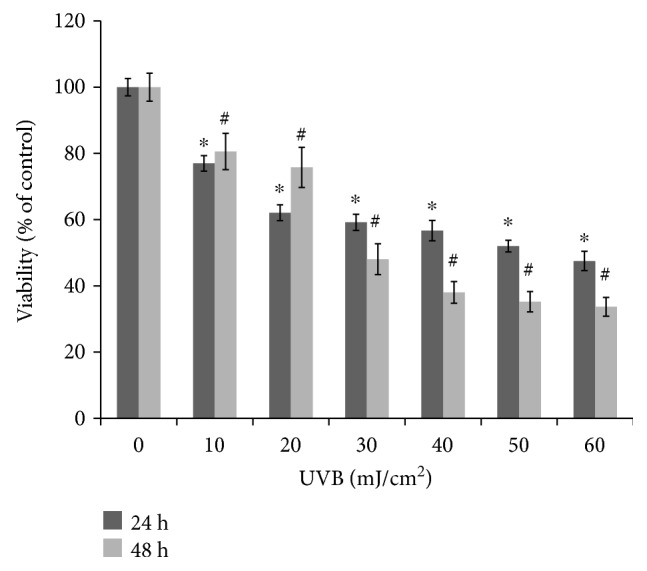
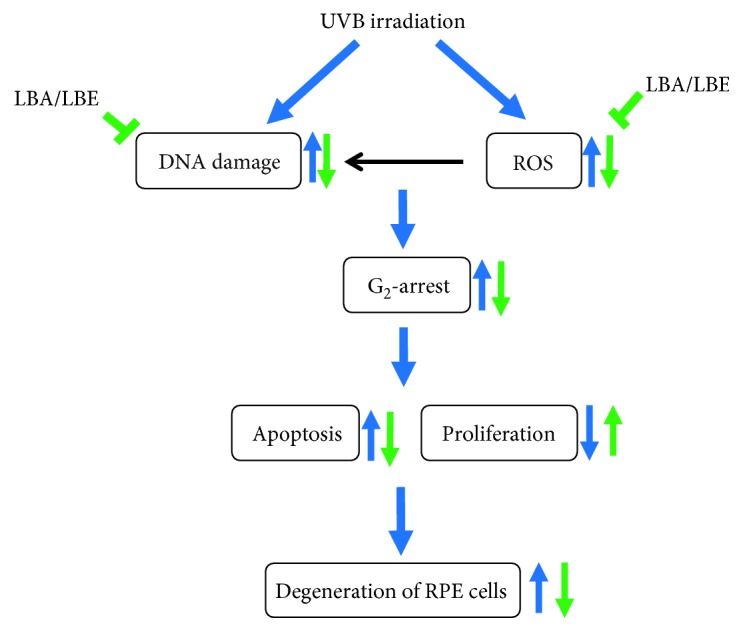
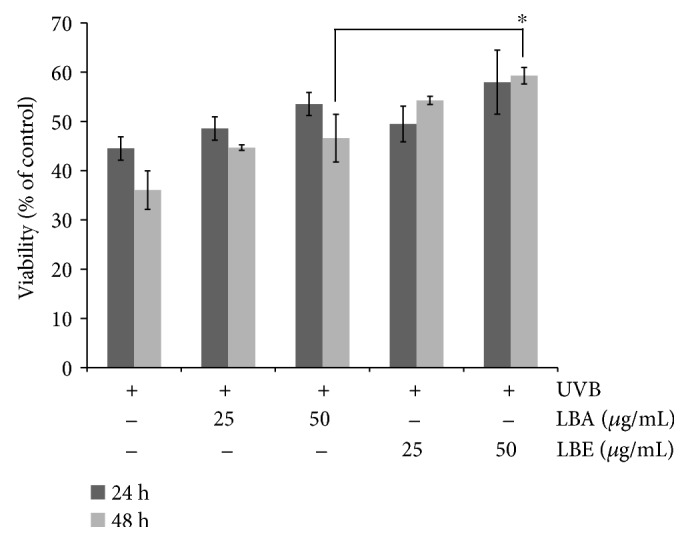
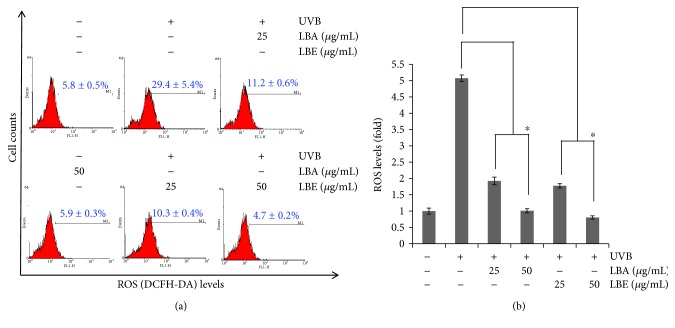
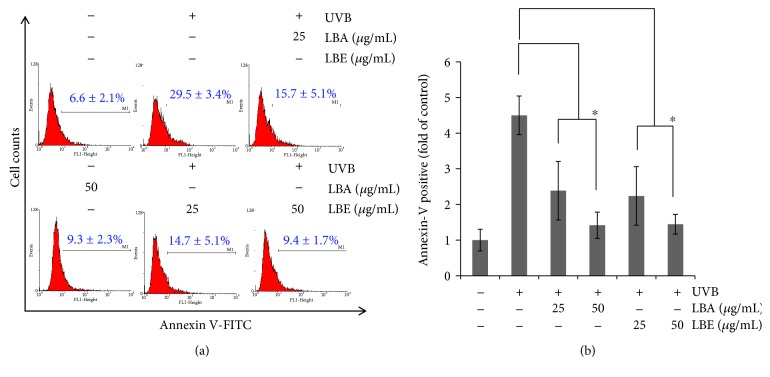
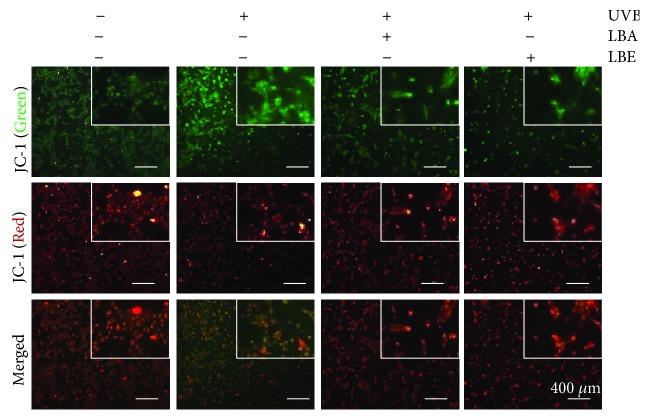
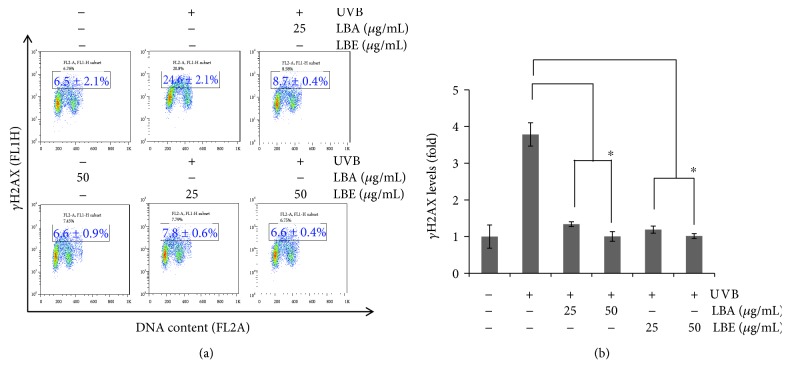
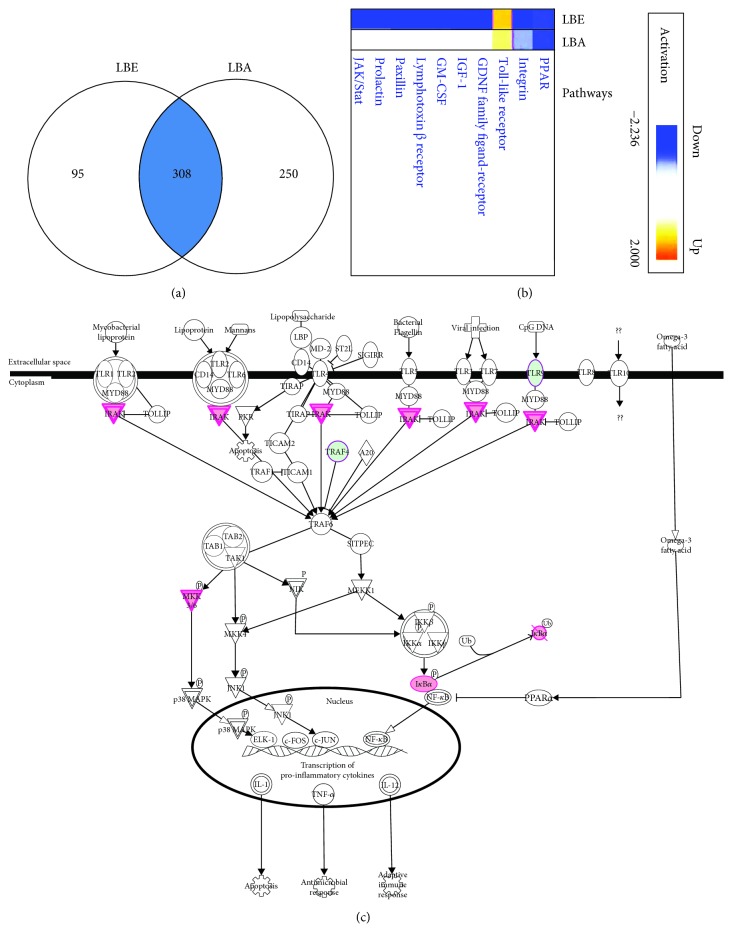
The medicinal herb fruit has been widely used for improving and maintaining the health of the eyes in the Far East for many centuries. This study is aimed at investigating whether protective effects generated from the aqueous (LBA) and ethanol (LBE) extracts of the fruit existed against oxidative stress-induced apoptosis in human retinal pigment epithelial cells. extracts LBA and LBE exerted the activity of ROS scavenging and rescued UVB irradiation-induced growth inhibition in retinal pigment epithelial ARPE-19 cells. Compared to LBA, the ethanol extract LBE exerted a superior protective activity on UVB-induced growth arrest in ARPE-19 cells. Both extracts significantly reduced cell cycle G-arrest population in ARPE-19 cells. Furthermore, the cytometer-based Annexin V/propidium iodide staining assay further showed that both extracts protected ARPE-19 cells from UVB-induced apoptosis. extracts also reduced the activation of H2AX, a sensor of DNA damage in ARPE-19 cells in a dose-responsive manner. By using Ingenuity Pathway Analysis (IPA), the bioinformatics revealed that the protective effects of both LBA and LBE extracts might be involved in three signaling pathways, especially the Toll-like receptor (TLR) pathway associated with cellular proliferation. Our study suggests that both ethanol and aqueous extracts of exhibit antioxidant activity and rescue UVB-induced apoptosis of ARPE-19 cells. Collectively, the ethanol extract exerts a superior effect on rescuing UVB-induced growth arrest of ARPE-19 compared to the aqueous extract, which might be associated with the activation of TLR signaling. Our present work will benefit the preventive strategy of herbal medicine-based vision protection for treating eye diseases such as age-related macular degeneration in the future.
千百年来,药用果实一直被远东地区广泛用于改善和维护眼睛健康。本研究旨在探讨果实的水提物(LBA)和醇提物(LBE)是否具有对抗人视网膜色素上皮细胞氧化应激诱导细胞凋亡的保护作用。结果表明,LBA 和 LBE 提取物均具有清除 ROS 的活性,并能挽救 UVB 照射诱导的人视网膜色素上皮 ARPE-19 细胞生长抑制。与 LBA 相比,醇提物 LBE 对 ARPE-19 细胞中 UVB 诱导的生长抑制具有更好的保护活性。两种提取物均能显著减少 ARPE-19 细胞的细胞周期 G 期阻滞。此外,细胞计数器 Annexin V/碘化丙啶染色试验进一步表明,两种提取物均能保护 ARPE-19 细胞免受 UVB 诱导的细胞凋亡。两种提取物还能剂量依赖性地降低 ARPE-19 细胞中 DNA 损伤传感器 H2AX 的激活。通过使用 IPA 进行生物信息学分析,结果表明,LBA 和 LBE 提取物的保护作用可能涉及三个信号通路,特别是与细胞增殖相关的 Toll 样受体(TLR)通路。我们的研究表明,果实的水提物和醇提物均具有抗氧化活性,能挽救 ARPE-19 细胞中 UVB 诱导的细胞凋亡。总的来说,与水提物相比,醇提物在挽救 UVB 诱导的 ARPE-19 细胞生长抑制方面效果更好,这可能与 TLR 信号通路的激活有关。我们的研究工作将为今后基于草药的视力保护预防策略治疗年龄相关性黄斑变性等眼部疾病提供参考。