Piantoni Lucas, Tello Carlos A, Remondino Rodrigo G, Bersusky Ernesto S, Menéndez Celica, Ponce Corina, Quintana Susana, Hekier Felisa, Francheri Wilson Ida A, Galaretto Eduardo, Noël Mariano A
1Servicio de Patología Espinal, Hospital de Pediatría Prof. Dr. Juan P. Garrahan, Combate de los Pozos 1881. C1245AAM, CABA, Buenos Aires, Argentina.
2Departamento de Salud Mental, Hospital de Pediatría Prof. Dr. Juan P. Garrahan, Buenos Aires, Argentina.
Scoliosis Spinal Disord. 2018 Dec 14;13:26. doi: 10.1186/s13013-018-0172-0. eCollection 2018.
Bracing is used as a valid non-surgical treatment for adolescent idiopathic scoliosis (AIS) to avoid progression of the deformity and thereby surgery. The effect of bracing treatment on quality of life of patients with AIS has been a topic of interest in the international literature. The aim of this study was to evaluate the quality of life and patient satisfaction during bracing treatment for AIS of a pediatric hospital.
We assessed a total of 43 non-consecutive female patients (mean age at questionnaire, 13 years and 1 month and 10 years and 8 months to 14 years and 5 months; mean period of usage of brace, 1 year and 7 months), with adolescent idiopathic scoliosis (AIS), older than 10 years of age until skeletal maturity, with a Risser sign less than 3 and scoliosis between 20 and 45°, treated with thoracolumbosacral orthosis (TLSO) for a period longer than 6 months, and without other comorbidities or previous surgeries, were evaluated. The patients were administered a previously validated to Spanish questionnaire on quality of life (Brace Questionnaire (BrQ); Grivas TB et al.). BrQ is a validated tool and is considered a disease-specific instrument; its score ranges from 20 to 100 points, and higher BrQ scores are associated with better quality of life.
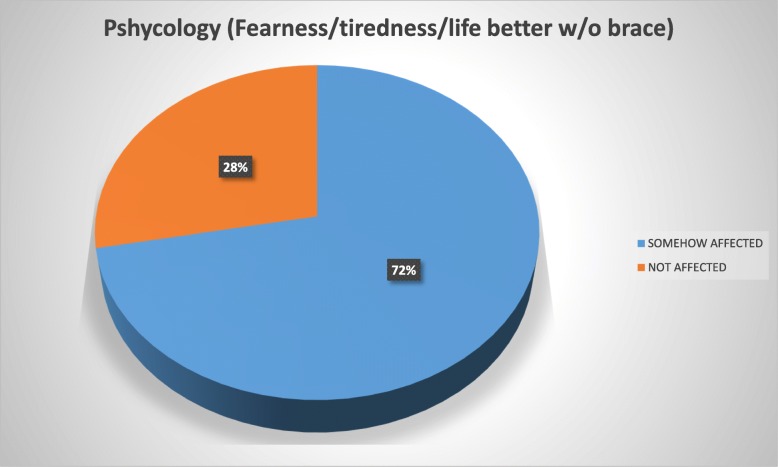
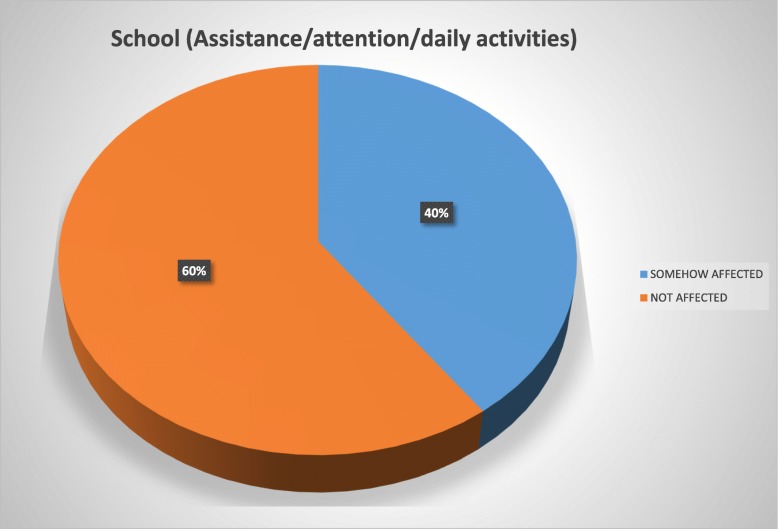
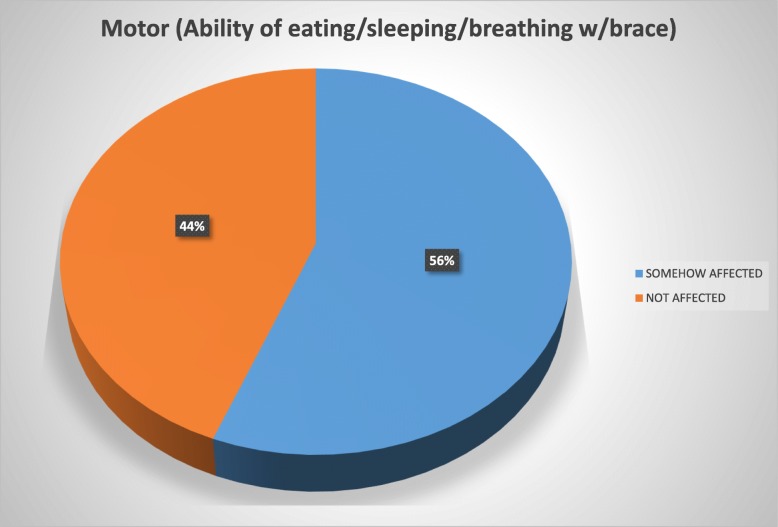
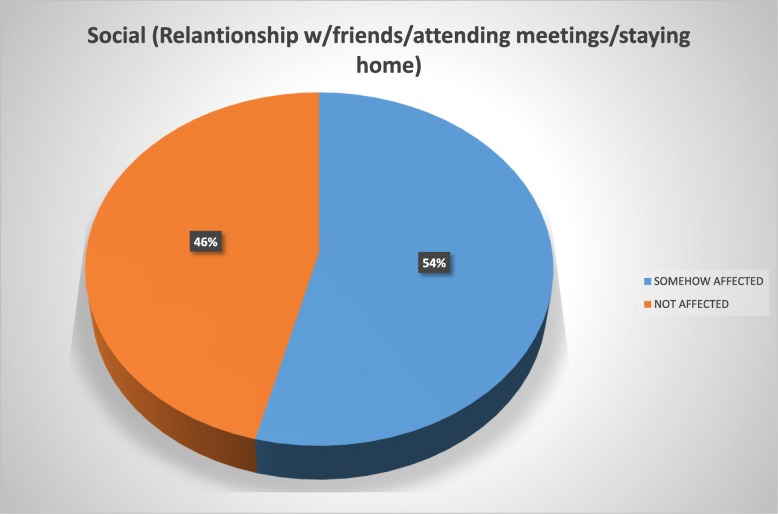
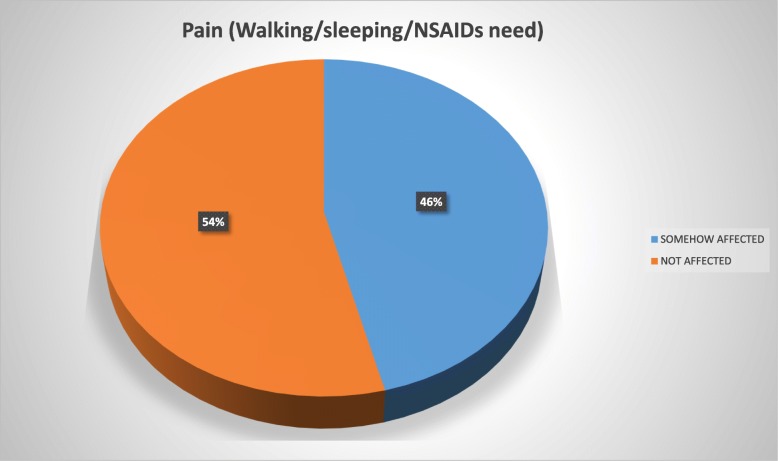
The patients reported using the brace for a mean of 17.6 h daily and for a mean period of 1 year and 7 months at the time of the study. Overall, 72% of the study population reported to be in some way psychologically affected by the brace wearing, 56% felt their basic motor activities were affected, 54% felt socialization with their environment was affected, 46% considered their quality of life deteriorated due to pain, and 40% reported conflicts in the school environment.
Patients with AIS treated with bracing reported a negative impact (53.5% overall) on quality of life and treatment satisfaction in terms of psychological, motor, social, and school environment aspects. An interdisciplinary approach would be important for the integrated psychosocial care of these patients.
支具治疗作为青少年特发性脊柱侧凸(AIS)一种有效的非手术治疗方法,用于避免畸形进展从而避免手术。支具治疗对AIS患者生活质量的影响一直是国际文献关注的话题。本研究旨在评估一家儿科医院对AIS患者进行支具治疗期间的生活质量和患者满意度。
我们共评估了43例非连续的女性患者(问卷调查时的平均年龄为13岁1个月,年龄范围为10岁8个月至14岁5个月;支具平均使用时间为1年7个月),她们患有青少年特发性脊柱侧凸(AIS),年龄大于10岁直至骨骼成熟,Risser征小于3,脊柱侧凸角度在20°至45°之间,接受胸腰骶矫形器(TLSO)治疗超过6个月,且无其他合并症或既往手术史。患者接受了一份先前已验证为西班牙语的生活质量问卷(支具问卷(BrQ);Grivas TB等人)。BrQ是一种经过验证的工具,被认为是一种针对特定疾病的工具;其评分范围为20至100分,BrQ得分越高表明生活质量越好。
患者报告在研究时每天平均佩戴支具17.6小时,平均佩戴时间为1年7个月。总体而言,72%的研究人群报告在某种程度上受到佩戴支具的心理影响,56%感觉其基本运动活动受到影响,54%感觉与周围环境的社交受到影响,46%认为由于疼痛生活质量下降,40%报告在学校环境中存在冲突。
接受支具治疗的AIS患者在心理、运动、社交和学校环境方面的生活质量和治疗满意度受到负面影响(总体为53.5%)。跨学科方法对于这些患者的综合心理社会护理很重要。