Laboratory Bacteriology Research, Department of Clinical Chemistry, Microbiology and Immunology, Ghent University, 9000 Ghent, Belgium.
Division of Infectious Diseases and Geographic Medicine, Department of Medicine, Stanford University School of Medicine, Stanford, CA 94305, USA.
Viruses. 2018 Dec 25;11(1):10. doi: 10.3390/v11010010.
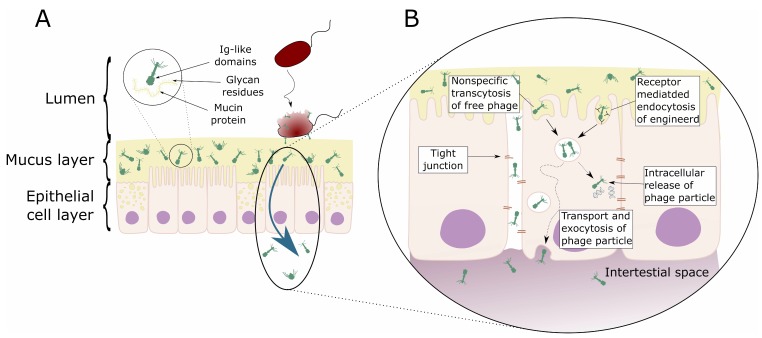
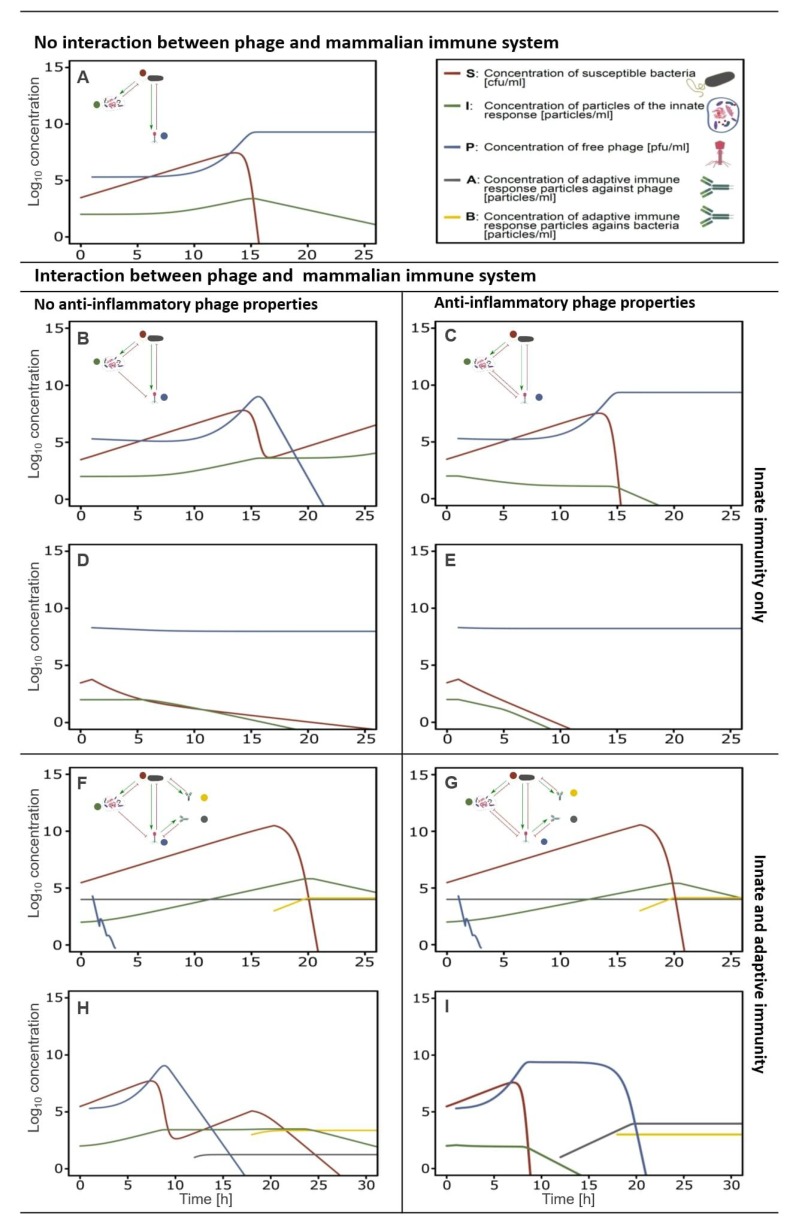
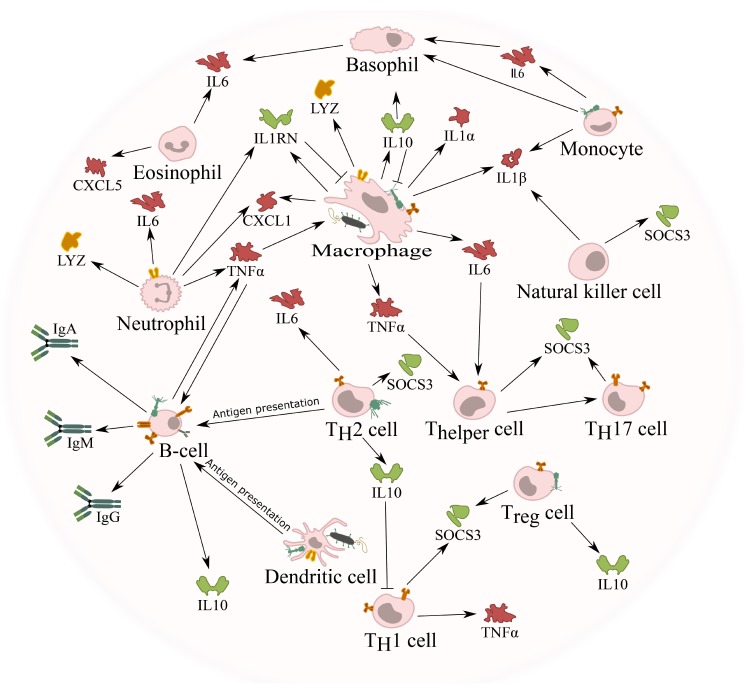
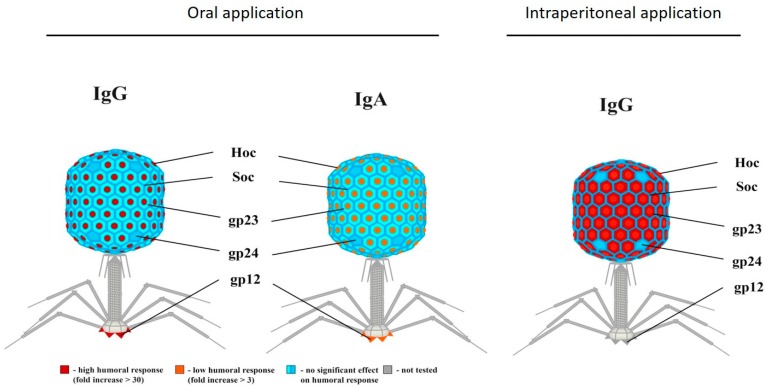
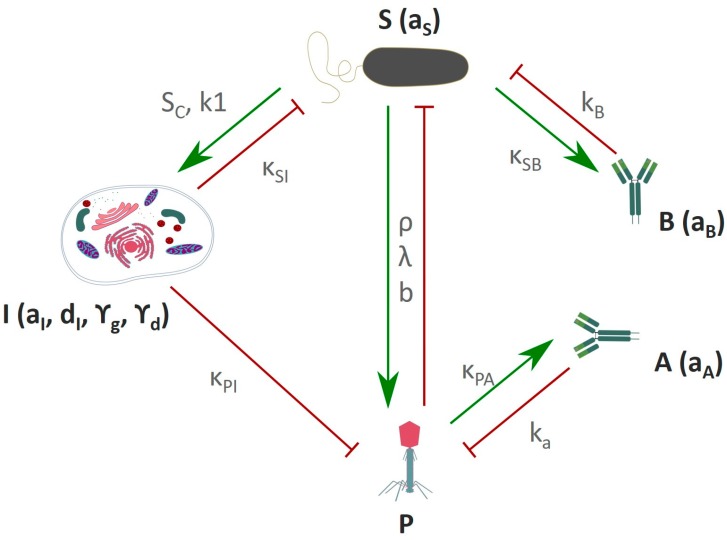
The human body is host to large numbers of bacteriophages (phages)⁻a diverse group of bacterial viruses that infect bacteria. Phage were previously regarded as bystanders that only impacted immunity indirectly via effects on the mammalian microbiome. However, it has become clear that phages also impact immunity directly, in ways that are typically anti-inflammatory. Phages can modulate innate immunity via phagocytosis and cytokine responses, but also impact adaptive immunity via effects on antibody production and effector polarization. Phages may thereby have profound effects on the outcome of bacterial infections by modulating the immune response. In this review we highlight the diverse ways in which phages interact with human cells. We present a computational model for predicting these complex and dynamic interactions. These models predict that the phageome may play important roles in shaping mammalian-bacterial interactions.
人体是大量噬菌体(phages)的宿主,噬菌体是一组多样化的细菌病毒,能够感染细菌。噬菌体以前被认为是旁观者,仅通过对哺乳动物微生物组的影响间接影响免疫。然而,噬菌体也会直接影响免疫,其方式通常具有抗炎作用。噬菌体可以通过吞噬作用和细胞因子反应来调节先天免疫,也可以通过对抗体产生和效应极化的影响来影响适应性免疫。噬菌体通过调节免疫反应,可能会对细菌感染的结果产生深远影响。在这篇综述中,我们强调了噬菌体与人细胞相互作用的多种方式。我们提出了一种用于预测这些复杂和动态相互作用的计算模型。这些模型预测噬菌体组可能在塑造哺乳动物-细菌相互作用方面发挥重要作用。