Montesano Giovanni, Rossetti Luca M, Allegrini Davide, Romano Mario R, Crabb David P
City, University of London-Optometry and Visual Sciences, London, UK.
University of Milan-ASST Santi Paolo e Carlo, Milan, Italy.
Transl Vis Sci Technol. 2018 Dec 28;7(6):36. doi: 10.1167/tvst.7.6.36. eCollection 2018 Nov.
To investigate a novel approach for structure-function modeling in glaucoma to improve visual field testing in the macula.
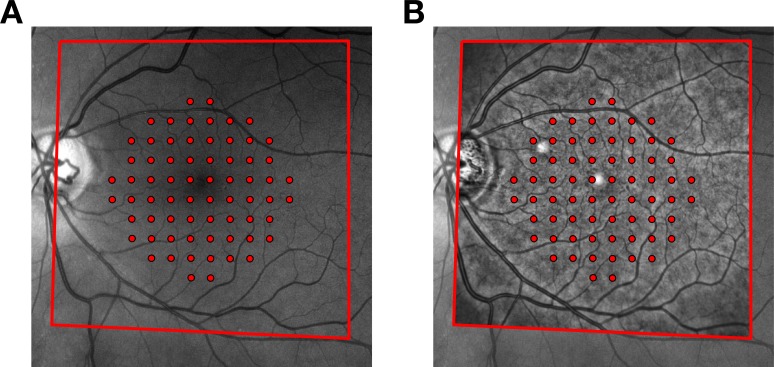
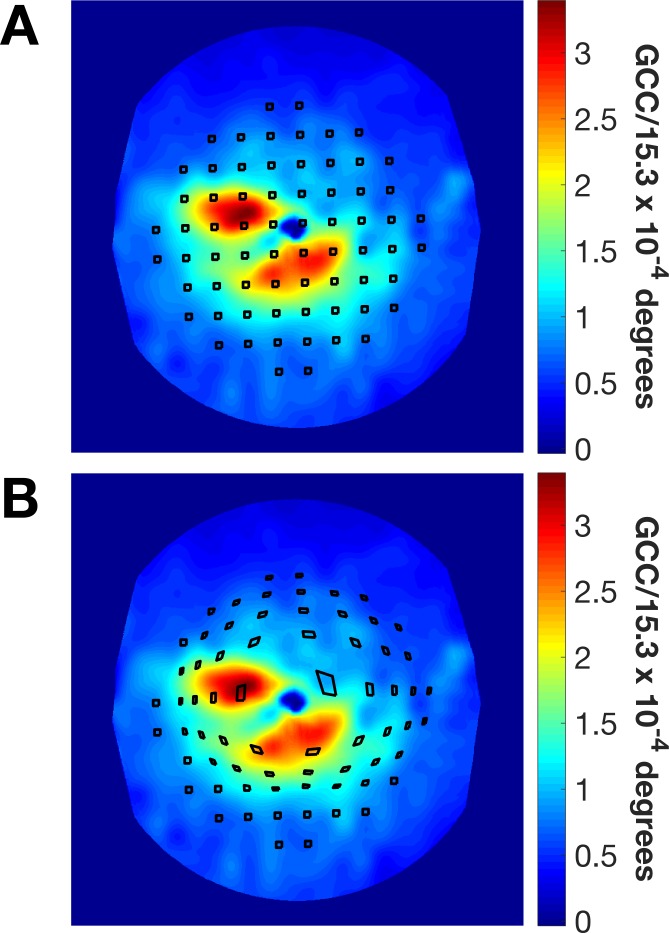
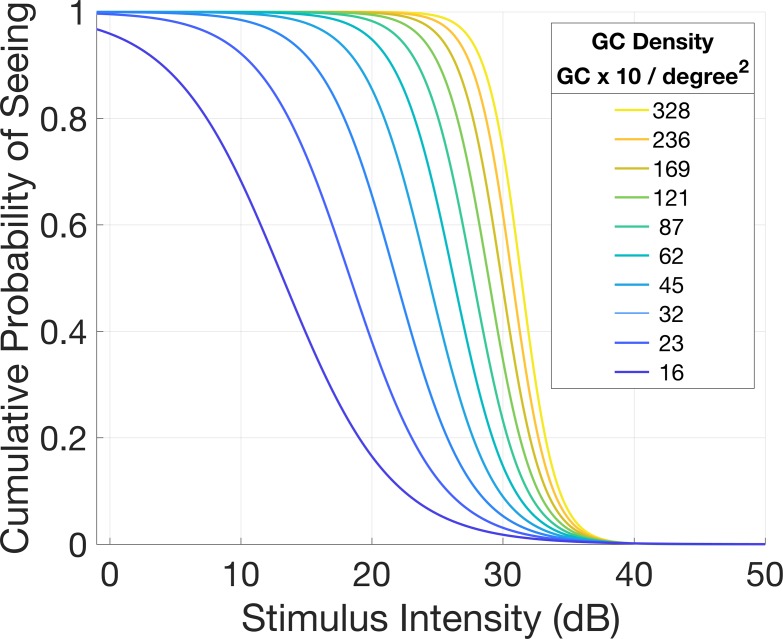
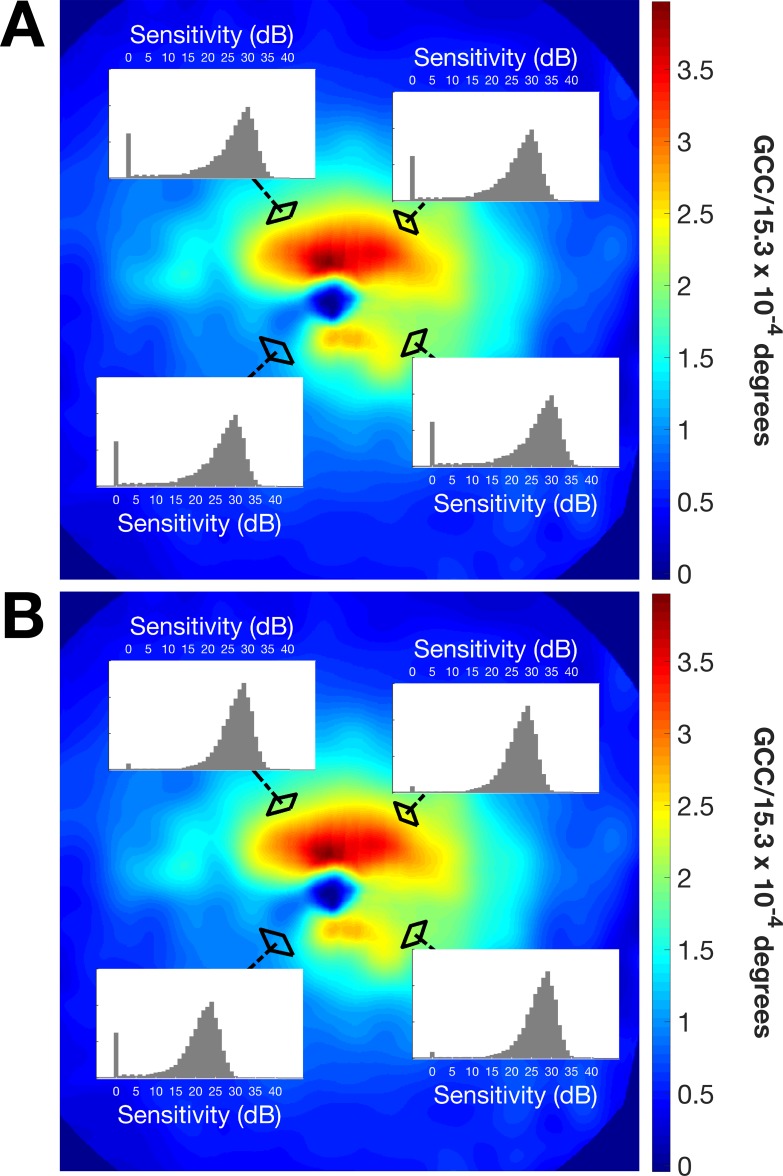
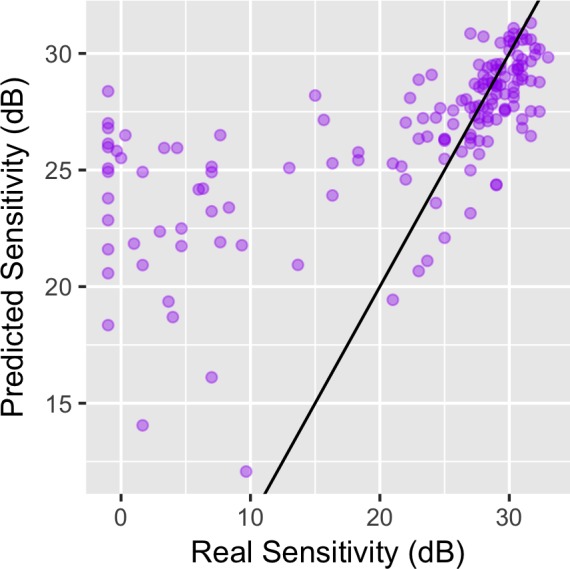
We acquired data from the macular region in 20 healthy eyes and 31 with central glaucomatous damage. Optical coherence tomography (OCT) scans were used to estimate the local macular ganglion cell density. Perimetry was performed with a fundus-tracking device using a 10-2 grid. OCT scans were matched to the retinal image from the fundus perimeter to accurately map the tested locations onto the structural damage. Binary responses from the subjects to all presented stimuli were used to calculate the structure-function model used to generate prior distributions for a ZEST (Zippy Estimation by Sequential Testing) Bayesian strategy. We used simulations based on structural and functional data acquired from an independent dataset of 20 glaucoma patients to compare the performance of this new strategy, structural macular ZEST (MacS-ZEST), with a standard ZEST.
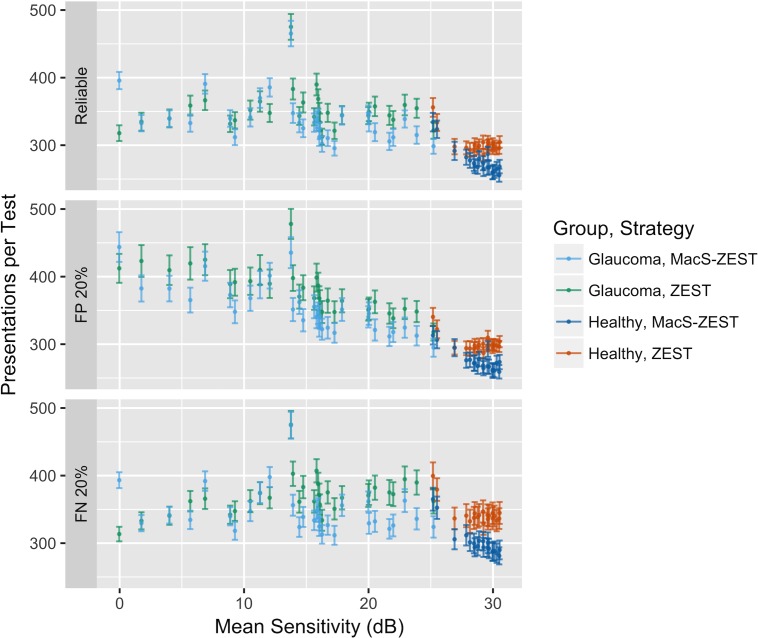
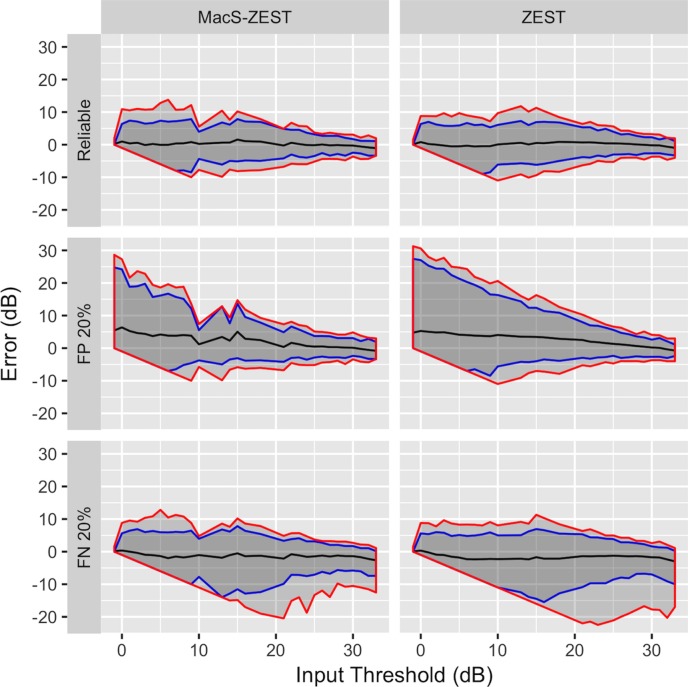
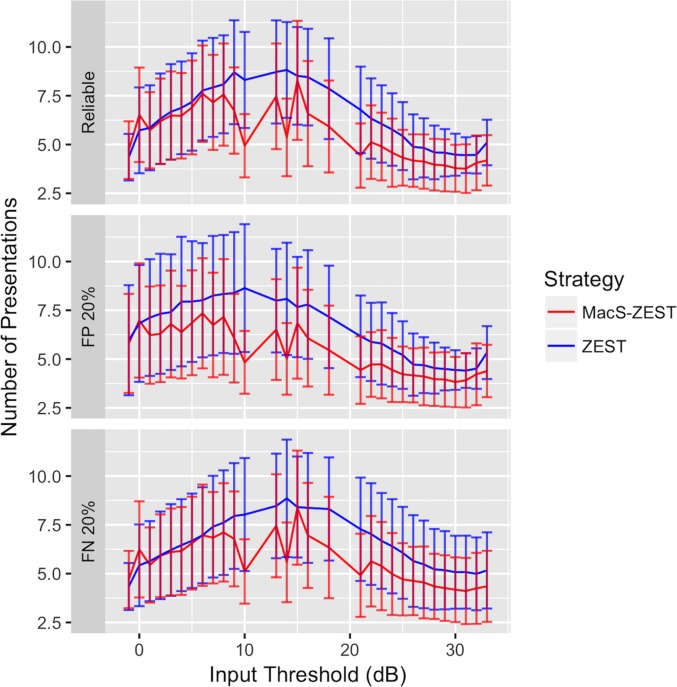
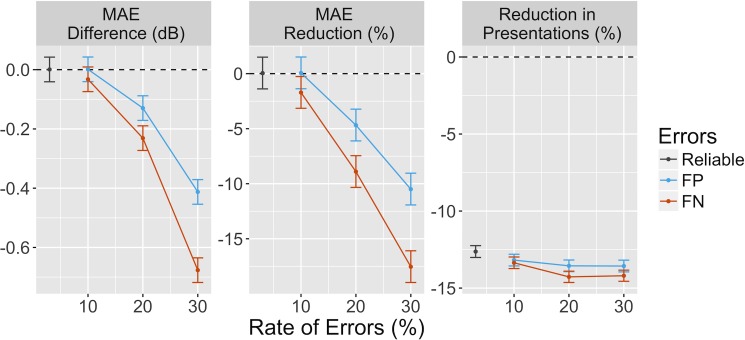
Compared to the standard ZEST, MacS-ZEST reduced the number of presentations by 13% in reliable simulated subjects and 14% with higher rates (≥20%) of false positive or false negative errors. Reduction in mean absolute error was not present for reliable subjects but was gradually more important with unreliable responses (≥10% at 30% error rate).
Binary responses can be modeled to incorporate detailed structural information from macular OCT into visual field testing, improving overall speed and accuracy in poor responders.
Structural information can improve speed and reliability for macular testing in glaucoma practice.
研究青光眼结构-功能建模的新方法,以改善黄斑区视野检测。
我们获取了20只健康眼睛和31只患有中心性青光眼损害眼睛的黄斑区数据。使用光学相干断层扫描(OCT)来估计局部黄斑神经节细胞密度。使用眼底跟踪设备以10-2网格进行视野检查。将OCT扫描与眼底周长的视网膜图像匹配,以将测试位置准确映射到结构损伤上。受试者对所有呈现刺激的二元反应用于计算结构-功能模型,该模型用于为ZEST(顺序测试的快速估计)贝叶斯策略生成先验分布。我们基于从20名青光眼患者的独立数据集中获取的结构和功能数据进行模拟,以比较这种新策略——黄斑结构ZEST(MacS-ZEST)与标准ZEST的性能。
与标准ZEST相比,MacS-ZEST在可靠模拟受试者中减少了13%的呈现次数,在假阳性或假阴性错误率较高(≥20%)的情况下减少了14%。可靠受试者的平均绝对误差没有降低,但在反应不可靠(错误率30%时≥10%)的情况下逐渐变得更加重要。
可以对二元反应进行建模,将来自黄斑OCT的详细结构信息纳入视野检测,提高反应较差受试者的整体速度和准确性。
结构信息可提高青光眼临床实践中黄斑检测的速度和可靠性。