Department of Orthopedics, The Second Affiliated Hospital of Zhejiang Chinese Medical University, Hangzhou 310005, China.
Department of Spine Surgery, The First Affiliated Hospital of Wenzhou Medical University, Wenzhou 325035, China.
Biomed Res Int. 2018 Dec 2;2018:9865403. doi: 10.1155/2018/9865403. eCollection 2018.
Acute spinal cord injury (SCI) is one of the most common and devastating causes of sensory or motor dysfunction. Nuclear factor-kappa B(NF-B)-mediated neuroinflammatory responses, in addition to nitric oxide (NO), are key regulatory pathways in SCI. Paeoniflorin (PF), a major active component extracted from Paeonia roots, has been suggested to exert neuroprotective effects in the central nervous system. However, whether PF could improve the motor function after SCI is still unclear.
Immunohistochemical analysis, western blot, real-time quantitative PCR, immunofluorescence staining, and histopathological and behavioral evaluation were used to explore the effects of paeoniflorin after SCI for 14 days.
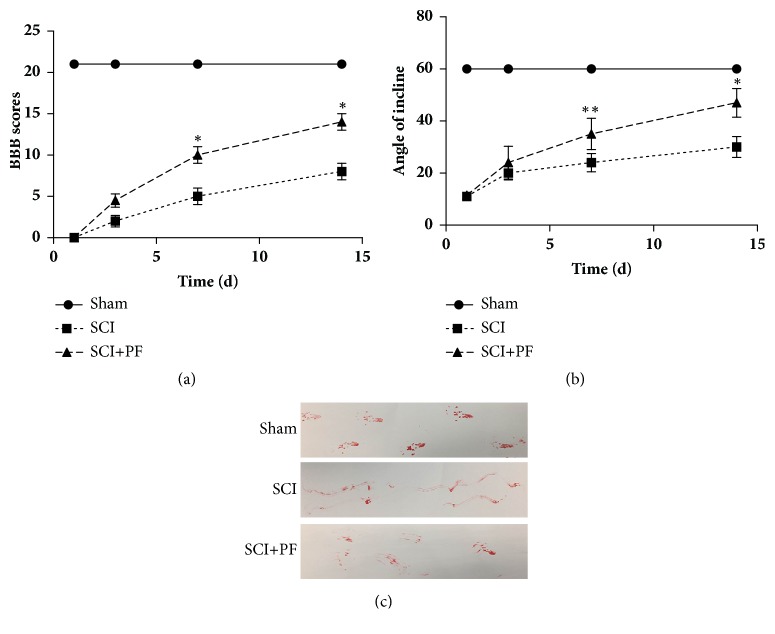
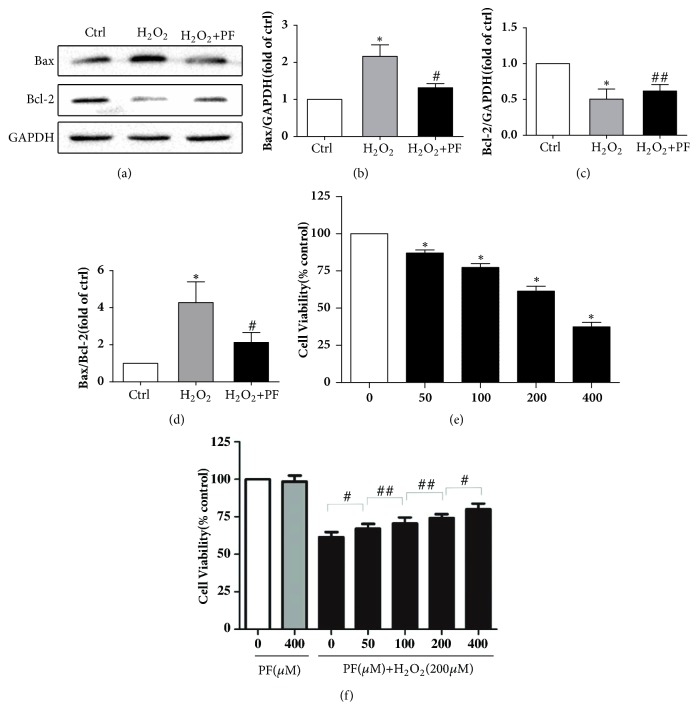
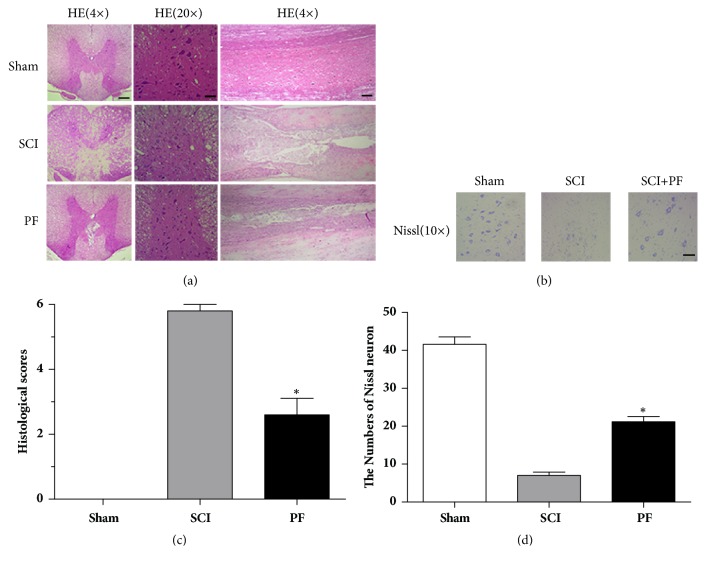
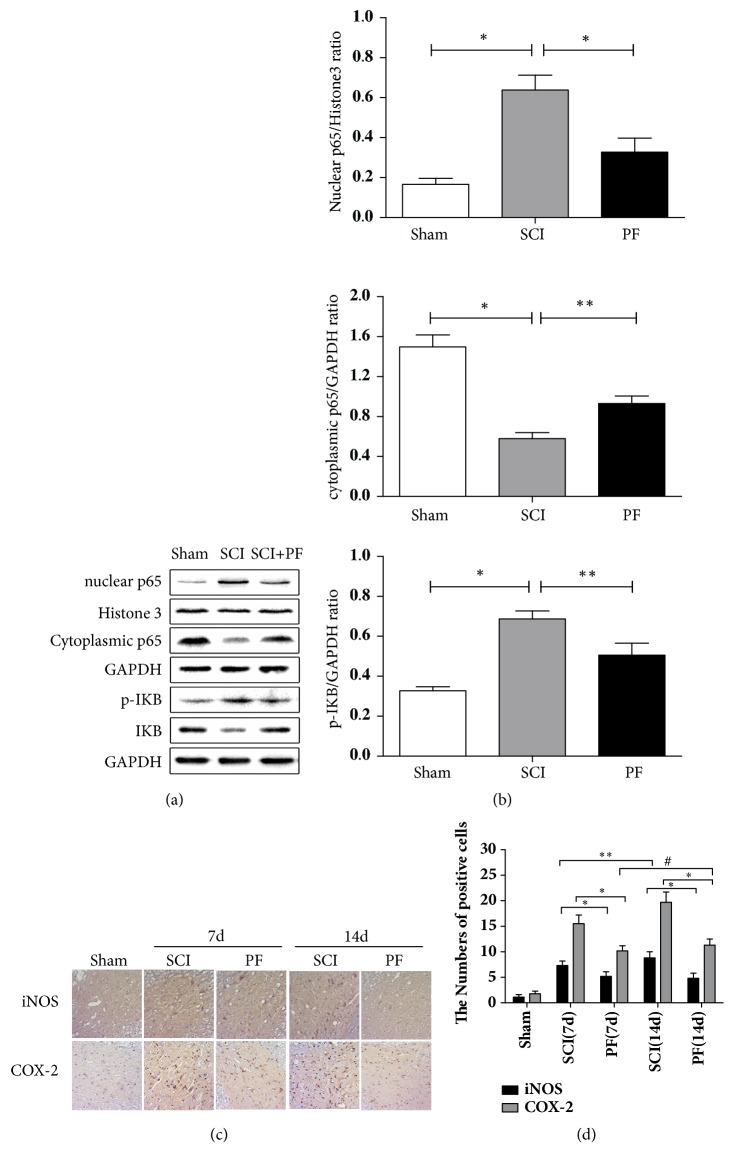
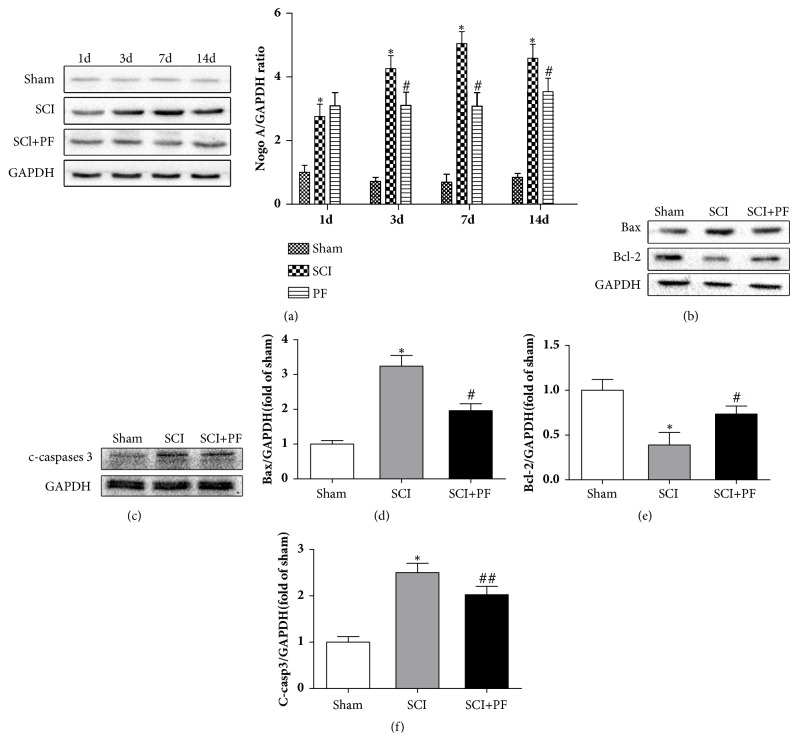
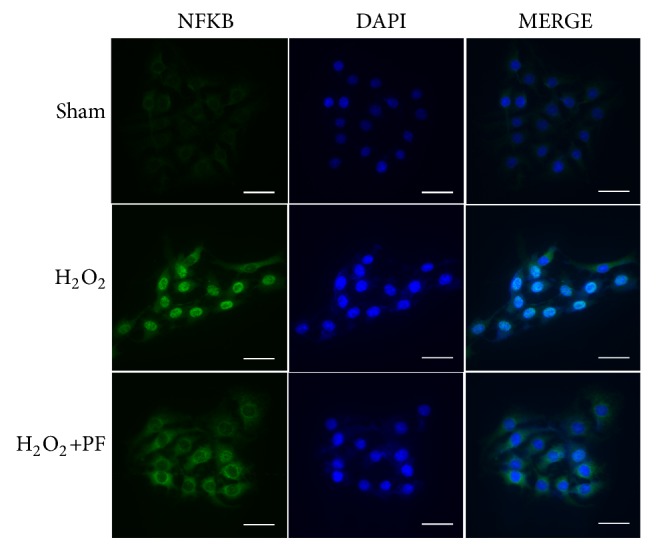
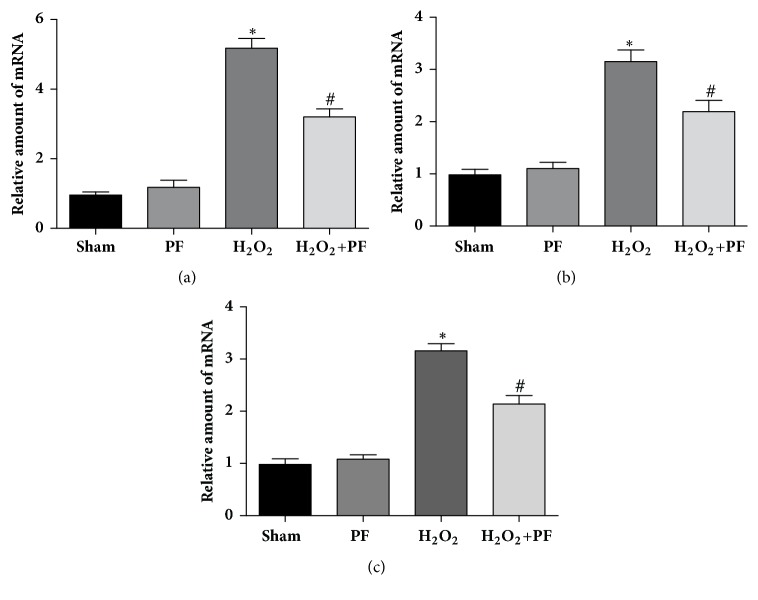
In this study, PF treatment significantly inhibited NF-B activation and downregulated the expression of inducible nitric oxide synthase (iNOS), cyclooxygenase-2(COX-2), and Nogo-A. Comparing behavioral and histological changes in SCI and PF treatment groups, we found that PF treatment improved motor function recovery, attenuated the histopathological damage, and increased neuronal survival in the SCI model. PF treatment also reduced expression levels of Bax and c-caspase-3 and increased the expression level of Bcl-2 and cell viabilities. Upregulation of TNF-, IL-6, and IL-1 after injury was also prevented by PF.
These results suggest that the neuroprotective effects of PF are related to the inhibition of the NF-B signaling pathway. And PF may be a therapeutic strategy in spinal cord injury.
急性脊髓损伤(SCI)是感觉或运动功能障碍最常见和最具破坏性的原因之一。核因子-κB(NF-κB)介导的神经炎症反应以及一氧化氮(NO)是 SCI 的关键调节途径。芍药苷(PF)是从芍药根中提取的主要活性成分,已被证明在中枢神经系统中具有神经保护作用。然而,PF 是否能改善 SCI 后的运动功能尚不清楚。
免疫组织化学分析、western blot、实时定量 PCR、免疫荧光染色和组织病理学及行为学评估用于探讨 SCI 后 14 天 PF 的作用。
在这项研究中,PF 治疗显著抑制了 NF-κB 的激活,并下调了诱导型一氧化氮合酶(iNOS)、环氧化酶-2(COX-2)和 Nogo-A 的表达。比较 SCI 和 PF 治疗组的行为学和组织学变化,我们发现 PF 治疗改善了运动功能的恢复,减轻了组织病理学损伤,并增加了 SCI 模型中的神经元存活。PF 治疗还降低了 Bax 和 c-caspase-3 的表达水平,增加了 Bcl-2 的表达水平和细胞活力。PF 还阻止了损伤后 TNF-α、IL-6 和 IL-1 的上调。
这些结果表明,PF 的神经保护作用与抑制 NF-κB 信号通路有关。PF 可能是脊髓损伤的一种治疗策略。