Doctoral Program of Biosciences, Universidad de La Sabana, Chía 140013, Colombia.
Energy, Materials and Environment Group, Faculty of Engineering, Universidad de La Sabana, Chía 140013, Colombia.
Molecules. 2019 Jan 10;24(2):237. doi: 10.3390/molecules24020237.
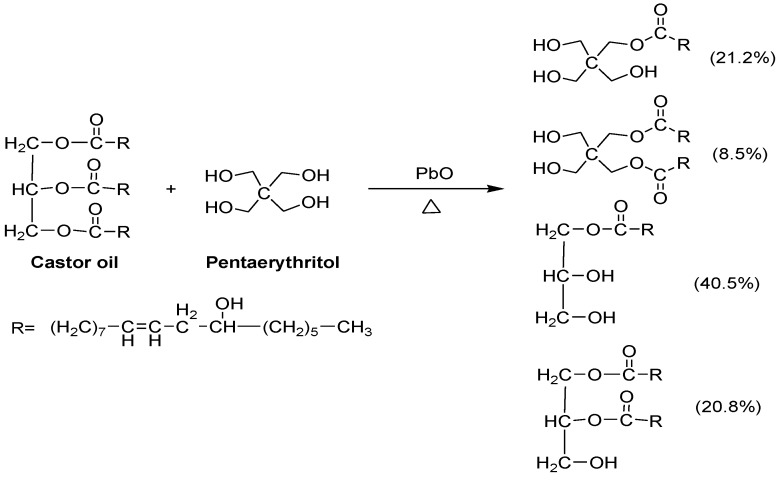
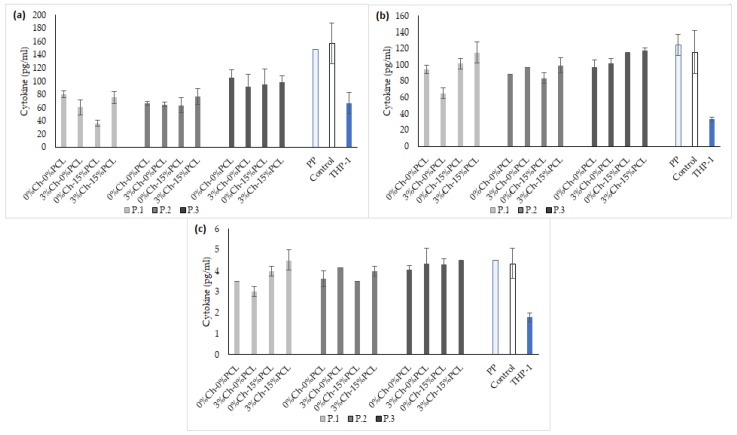
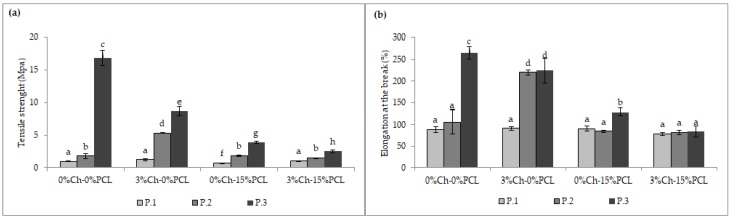
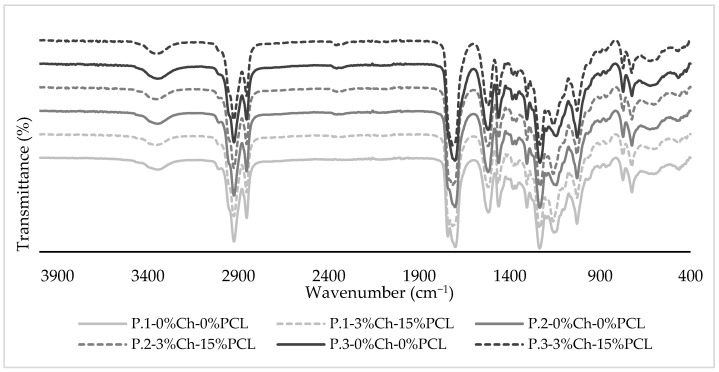
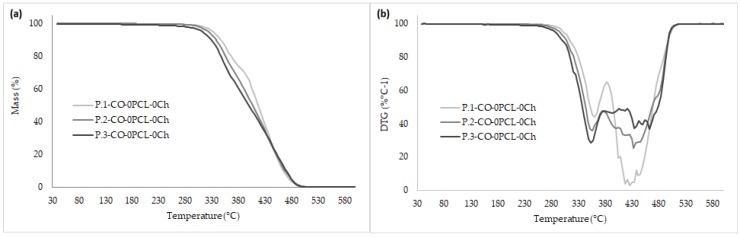
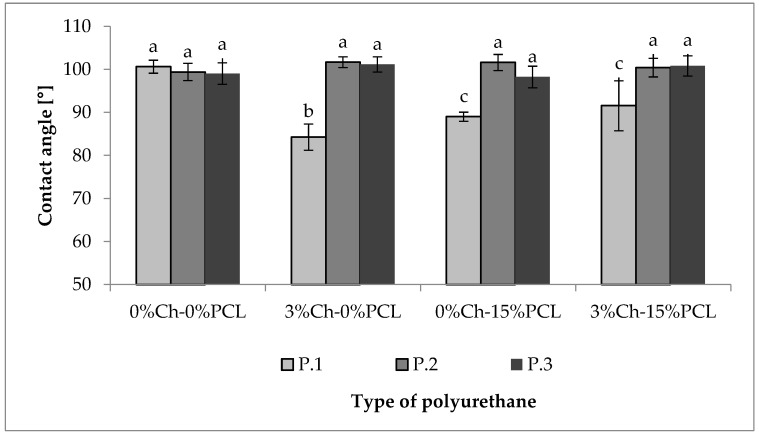
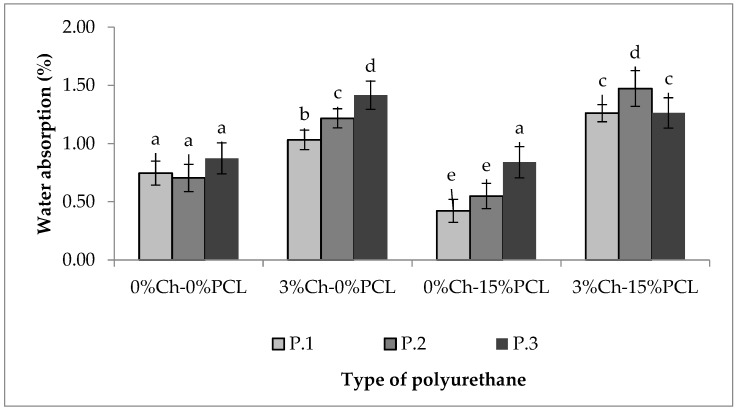
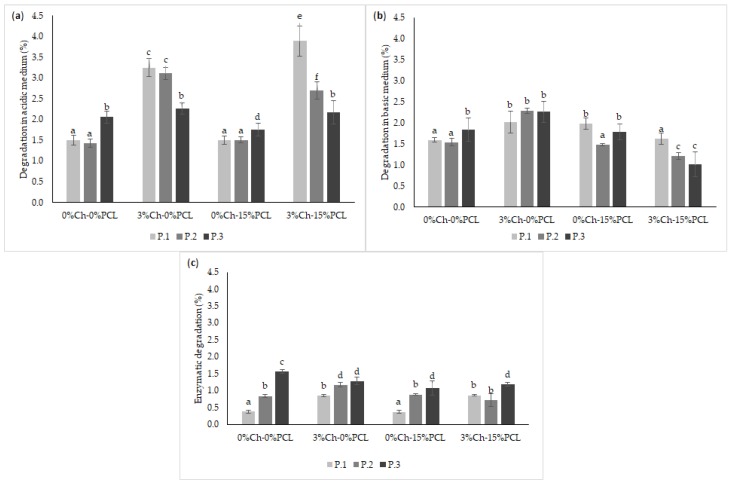
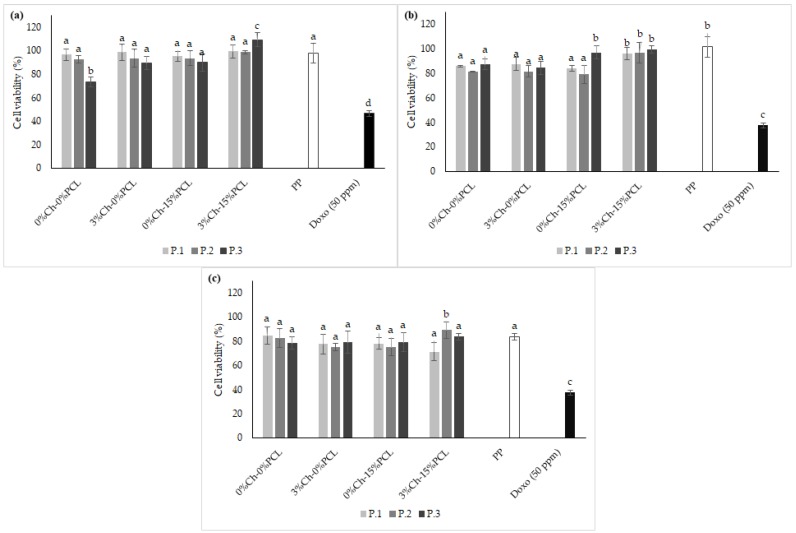
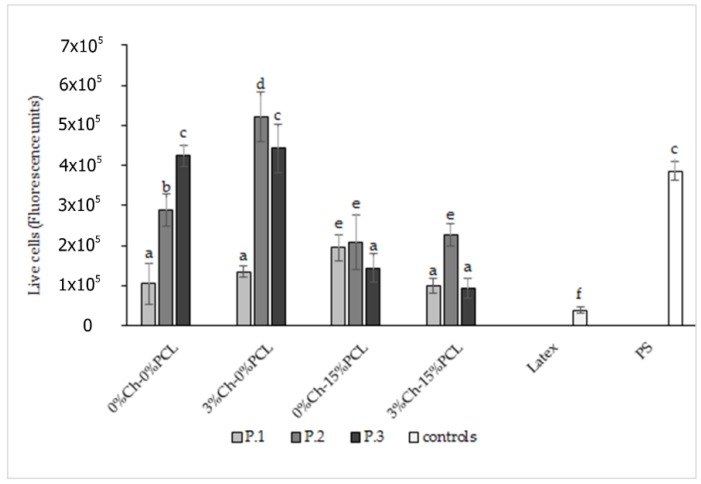
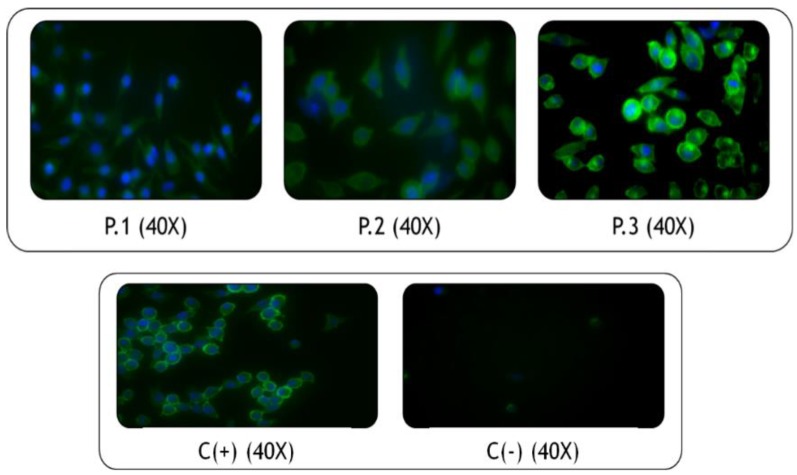
Polyurethanes are widely used in the development of medical devices due to their biocompatibility, degradability, non-toxicity and chemical versatility. Polyurethanes were obtained from polyols derived from castor oil, and isophorone diisocyanate, with the incorporation of polycaprolactone-diol (15% /) and chitosan (3% /). The objective of this research was to evaluate the effect of the type of polyol and the incorporation of polycaprolactone-diol and chitosan on the mechanical and biological properties of the polyurethanes to identify the optimal ones for applications such as wound dressings or tissue engineering. Polyurethanes were characterized by stress-strain, contact angle by sessile drop method, thermogravimetric analysis, differential scanning calorimetry, water uptake and in vitro degradation by enzymatic processes. In vitro biological properties were evaluated by a 24 h cytotoxicity test using the colorimetric assay MTT and the LIVE/DEAD kit with cell line L-929 (mouse embryonic fibroblasts). In vitro evaluation of the possible inflammatory effect of polyurethane-based materials was evaluated by means of the expression of anti-inflammatory and proinflammatory cytokines expressed in a cellular model such as THP-1 cells by means of the MILLIPLEX MAP kit. The modification of polyols derived from castor oil increases the mechanical properties of interest for a wide range of applications. The polyurethanes evaluated did not generate a cytotoxic effect on the evaluated cell line. The assessed polyurethanes are suggested as possible candidate biomaterials for wound dressings due to their improved mechanical properties and biocompatibility.
由于其生物相容性、可降解性、低毒性和化学多功能性,聚氨基甲酸酯被广泛应用于医疗器械的开发。聚氨基甲酸酯是由蓖麻油衍生的多元醇和异佛尔酮二异氰酸酯合成的,其中还加入了聚己内酯二醇(15%/)和壳聚糖(3%/)。本研究的目的是评估多元醇的类型以及聚己内酯二醇和壳聚糖的加入对聚氨基甲酸酯的机械和生物性能的影响,以确定其在伤口敷料或组织工程等应用中的最佳性能。通过应力-应变、接触角(静滴法)、热重分析、差示扫描量热法、吸水率和酶促过程体外降解对聚氨基甲酸酯进行了表征。通过比色法 MTT 测定和 L-929(小鼠胚胎成纤维细胞)细胞系的 LIVE/DEAD 试剂盒进行了 24 小时细胞毒性试验,对聚氨基甲酸酯的体外生物性能进行了评估。通过 MILLIPLEX MAP 试剂盒评估了基于聚氨基甲酸酯的材料在细胞模型(如 THP-1 细胞)中表达的抗炎和促炎细胞因子,评估了其可能的炎症作用。蓖麻油衍生多元醇的改性提高了适用于广泛应用的机械性能。所评估的聚氨基甲酸酯对评估的细胞系没有产生细胞毒性作用。评估的聚氨基甲酸酯被建议作为伤口敷料的潜在候选生物材料,因为它们具有改善的机械性能和生物相容性。