Defence Science and Technology Laboratory, Chemical, Biological and Radiological Division, Salisbury, United Kingdom
Defence Science and Technology Laboratory, Chemical, Biological and Radiological Division, Salisbury, United Kingdom.
J Bacteriol. 2019 Mar 13;201(7). doi: 10.1128/JB.00630-18. Print 2019 Apr 1.
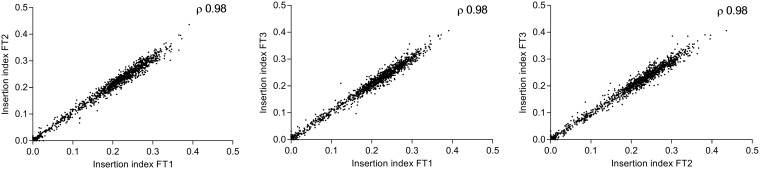
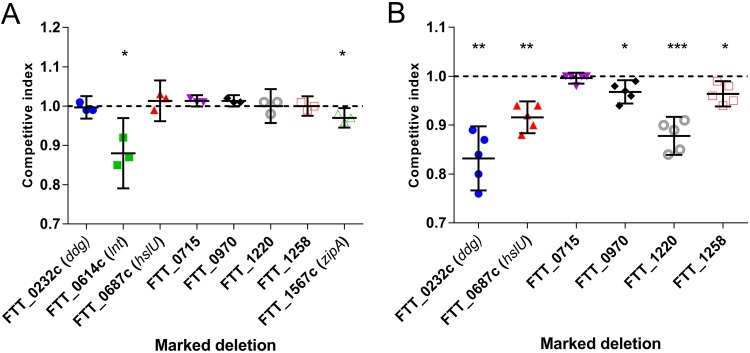
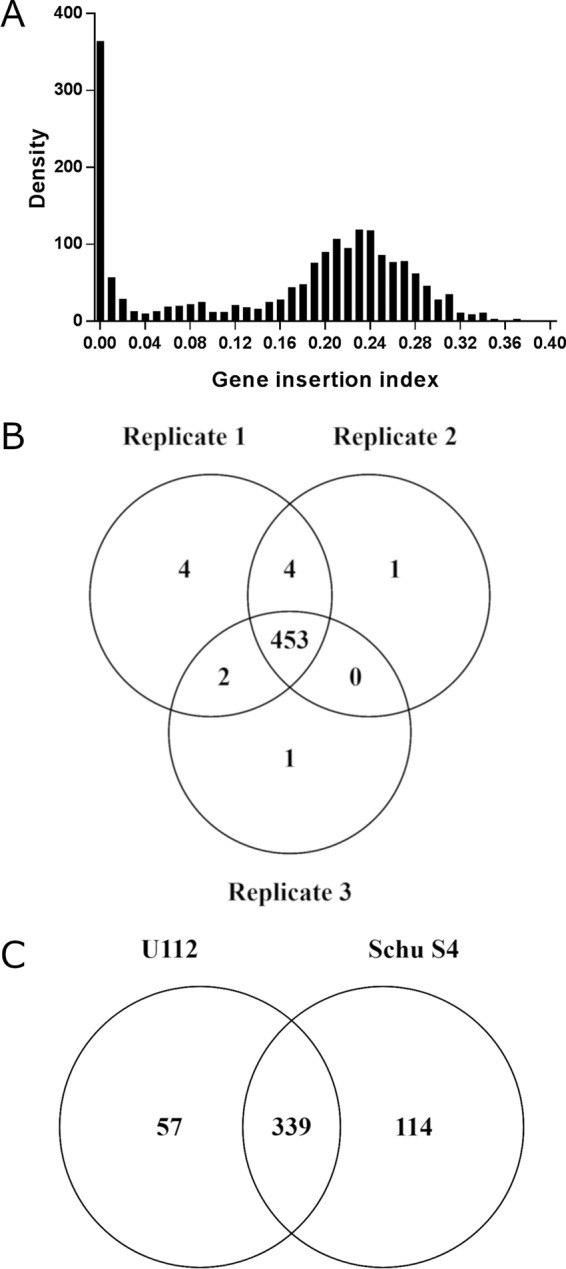
The highly virulent intracellular pathogen is a Gram-negative bacterium that has a wide host range, including humans, and is the causative agent of tularemia. To identify new therapeutic drug targets and vaccine candidates and investigate the genetic basis of virulence in the Fischer 344 rat, we have constructed an Schu S4 transposon library. This library consists of more than 300,000 unique transposon mutants and represents a transposon insertion for every 6 bp of the genome. A transposon-directed insertion site sequencing (TraDIS) approach was used to identify 453 genes essential for growth Many of these essential genes were mapped to key metabolic pathways, including glycolysis/gluconeogenesis, peptidoglycan synthesis, fatty acid biosynthesis, and the tricarboxylic acid (TCA) cycle. Additionally, 163 genes were identified as required for fitness during colonization of the Fischer 344 rat spleen. This selection screen was validated through the generation of marked deletion mutants that were individually assessed within a competitive index study against the wild-type Schu S4 strain. The intracellular bacterial pathogen causes a disease in humans characterized by the rapid onset of nonspecific symptoms such as swollen lymph glands, fever, and headaches. is one of the most infectious bacteria known and following pulmonary exposure can have a mortality rate exceeding 50% if left untreated. The low infectious dose of this organism and concerns surrounding its potential as a biological weapon have heightened the need for effective and safe therapies. To expand the repertoire of targets for therapeutic development, we initiated a genome-wide analysis. This study has identified genes that are important for under and conditions, providing candidates that can be evaluated for vaccine or antibacterial development.
强毒力的细胞内病原体 是一种革兰氏阴性菌,宿主范围广泛,包括人类,是土拉热弗朗西丝氏菌的病原体。为了鉴定新的治疗药物靶点和疫苗候选物,并研究 弗氏柠檬酸杆菌在 Fischer 344 大鼠中的遗传基础,我们构建了一个 Schu S4 转座子文库。该文库包含超过 300000 个独特的转座子突变体,代表基因组中每 6bp 就有一个转座子插入。采用转座子定向插入位点测序(TraDIS)方法鉴定了 453 个对生长至关重要的基因。这些必需基因中的许多基因被映射到关键代谢途径,包括糖酵解/糖异生、肽聚糖合成、脂肪酸生物合成和三羧酸(TCA)循环。此外,还鉴定了 163 个基因在 Fischer 344 大鼠脾脏定植过程中适应度所必需的基因。通过生成标记缺失突变体,在与野生型 Schu S4 菌株的竞争指数研究中单独评估,对该选择筛选进行了验证。细胞内细菌病原体 导致人类发生疾病,其特征是迅速出现非特异性症状,如淋巴结肿大、发热和头痛。 是已知最具传染性的细菌之一,如果不治疗,经肺部暴露后死亡率超过 50%。该生物体的低感染剂量以及对其作为生物武器的潜在担忧,增加了对有效和安全疗法的需求。为了扩大治疗开发的靶标范围,我们启动了一项全基因组分析。这项研究鉴定了在 和 条件下对 重要的基因,为疫苗或抗菌药物的开发提供了候选基因。