College of Horticulture and Landscape Architecture, Southwest University, Chongqing, 400716, People's Republic of China.
Key Laboratory of Plant Resources Conservation and Sustainable Utilization, South China Botanical Garden, Chinese Academy of Sciences, Guangzhou, 510650, People's Republic of China.
BMC Genomics. 2019 Jan 15;20(1):45. doi: 10.1186/s12864-019-5424-8.
Taste and aroma, which are important organoleptic qualities of apricot (Prunus armeniaca L.) fruit, undergo rapid and substantial changes during ripening. However, the associated molecular mechanisms remain unclear. The goal of this study was to identify candidate genes for flavor compound metabolism and to construct a regulatory transcriptional network.
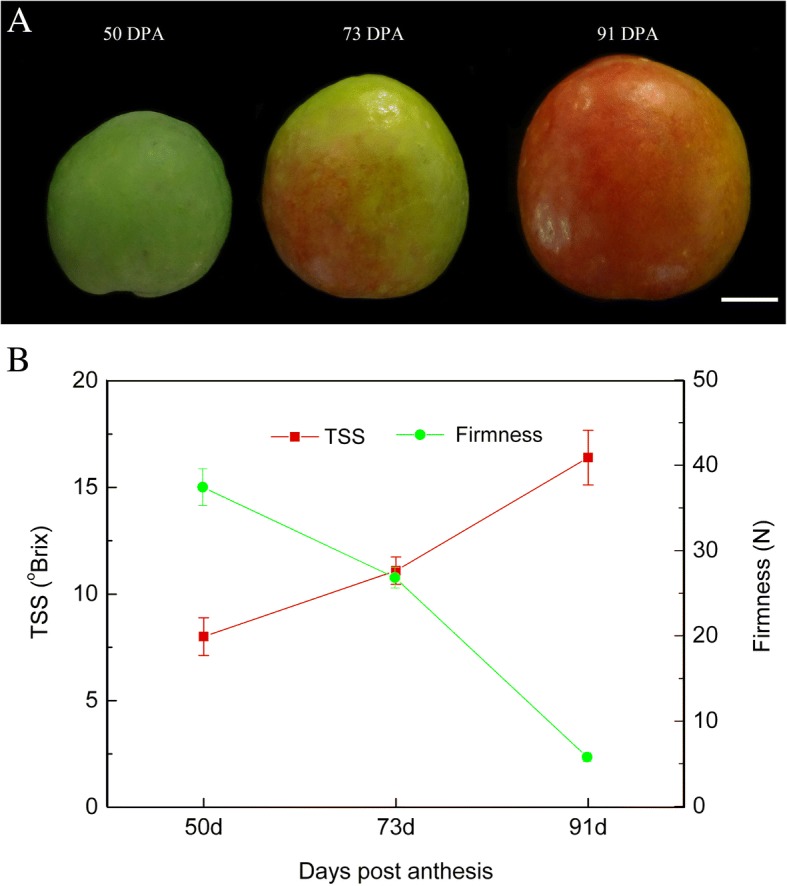
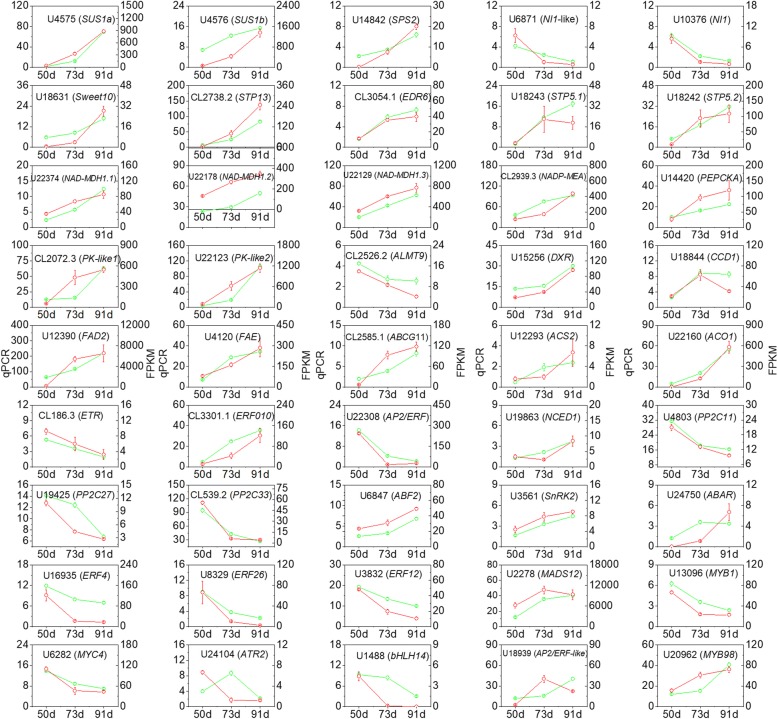
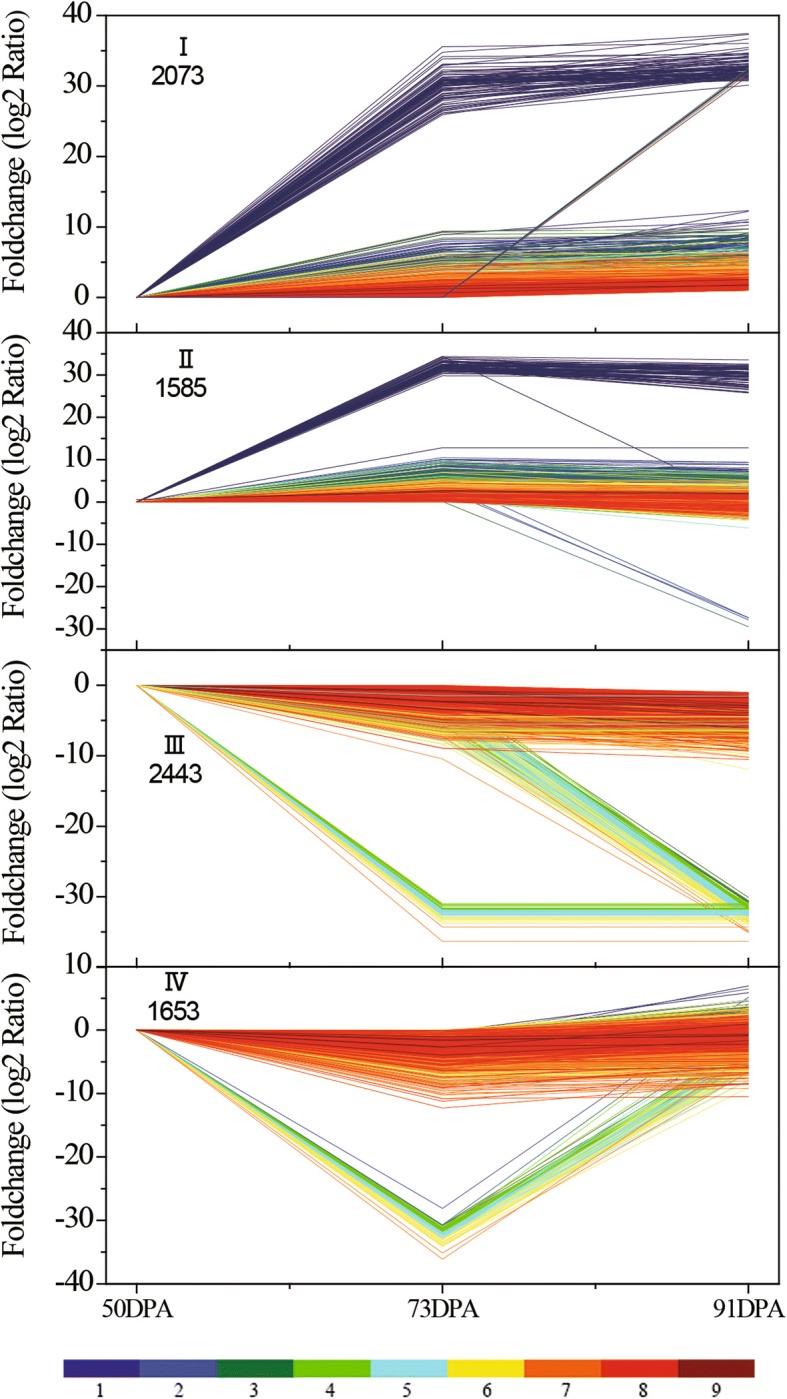
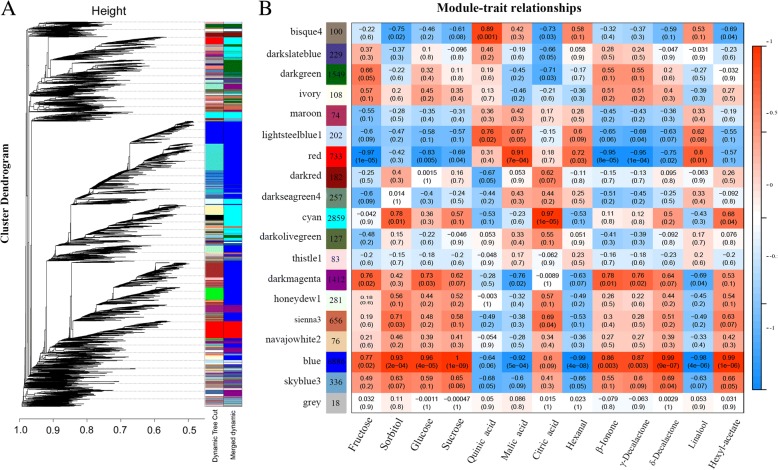
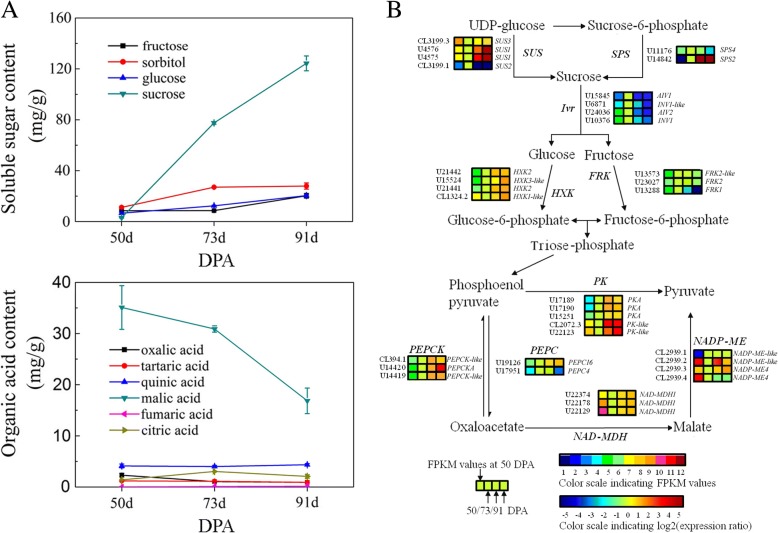
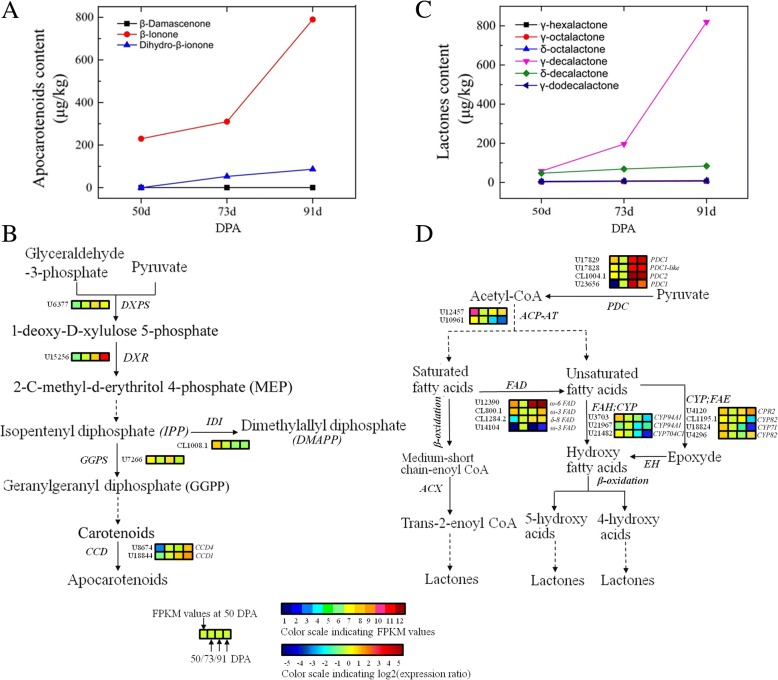
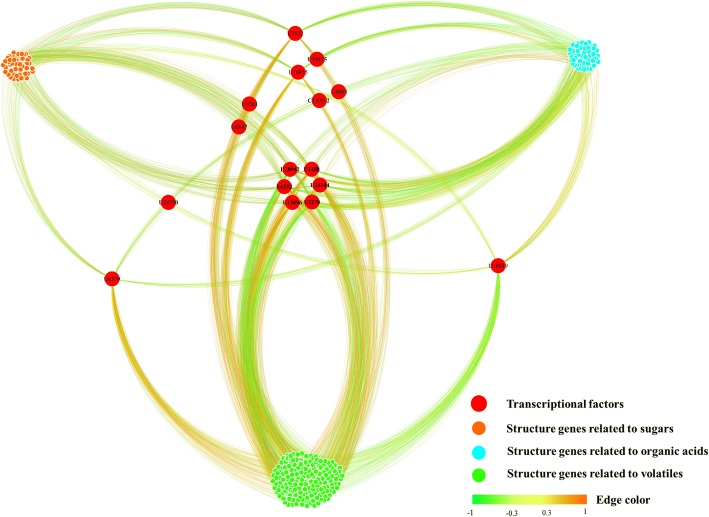
We characterized the transcriptome of the 'Jianali' apricot cultivar, which exhibits substantial changes in flavor during ripening, at 50 (turning), 73 (commercial maturation) and 91 (full ripe) days post anthesis (DPA) using RNA sequencing (RNA-Seq). A weighted gene co-expression network analysis (WGCNA) revealed that four of 19 modules correlated highly with flavor compound metabolism (P < 0.001). From them, we identified 1237 differentially expressed genes, with 16 intramodular hubs. A proposed pathway model for flavor compound biosynthesis is presented based on these genes. Two SUS1 genes, as well as SPS2 and INV1 were correlated with sugar biosynthesis, while NADP-ME4, two PK-like and mitochondrial energy metabolism exerted a noticeable effect on organic acid metabolism. CCD1 and FAD2 were identified as being involved in apocarotenoid aroma volatiles and lactone biosynthesis, respectively. Five sugar transporters (Sweet10, STP13, EDR6, STP5.1, STP5.2), one aluminum-activated malate transporter (ALMT9) and one ABCG transporter (ABCG11) were associated with the transport of sugars, organic acids and volatiles, respectively. Sixteen transcription factors were also highlighted that may also play regulatory roles in flavor quality development.
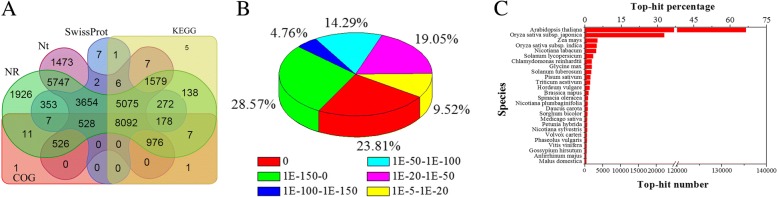
Apricot RNA-Seq data were obtained and used to generate an annotated set of predicted expressed genes, providing a platform for functional genomic research. Using network analysis and pathway mapping, putative molecular mechanisms for changes in apricot fruit taste and aroma during ripening were elucidated.
杏(Prunus armeniaca L.)果实的口感和香气是其重要的感官品质,在成熟过程中会发生快速而显著的变化。然而,相关的分子机制尚不清楚。本研究的目的是鉴定风味化合物代谢的候选基因,并构建调控转录网络。
我们对‘建园里’杏品种的转录组进行了表征,该品种在成熟过程中风味变化显著,在授粉后 50 天(转色期)、73 天(商业成熟)和 91 天(完全成熟)时使用 RNA 测序(RNA-Seq)进行了分析。加权基因共表达网络分析(WGCNA)显示,19 个模块中有 4 个与风味化合物代谢高度相关(P<0.001)。从中我们鉴定出 1237 个差异表达基因,其中有 16 个为模块内枢纽基因。根据这些基因提出了一个风味化合物生物合成的途径模型。两个 SUS1 基因,以及 SPS2 和 INV1 与糖的生物合成相关,而 NADP-ME4、两个 PK 样和线粒体能量代谢对有机酸代谢有显著影响。CCD1 和 FAD2 分别被鉴定为参与类胡萝卜素香气挥发物和内酯生物合成。五个糖转运蛋白(Sweet10、STP13、EDR6、STP5.1、STP5.2)、一个铝激活的苹果酸转运蛋白(ALMT9)和一个 ABCG 转运蛋白(ABCG11)分别与糖、有机酸和挥发物的转运有关。还强调了 16 个转录因子,它们也可能在风味品质发育中发挥调节作用。
获得了杏 RNA-Seq 数据,并生成了一组注释的预测表达基因,为功能基因组学研究提供了一个平台。通过网络分析和途径映射,阐明了杏果实在成熟过程中口感和香气变化的潜在分子机制。