Behera B C, Sethi B K, Mishra R R, Dutta S K, Thatoi H N
Department of Biotechnology, North Orissa University, Baripada 757003, Odisha, India.
Department of Biotechnology, MITS School of Biotechnology, Bhubaneswar 751024, India.
J Genet Eng Biotechnol. 2017 Jun;15(1):197-210. doi: 10.1016/j.jgeb.2016.12.001. Epub 2016 Dec 30.
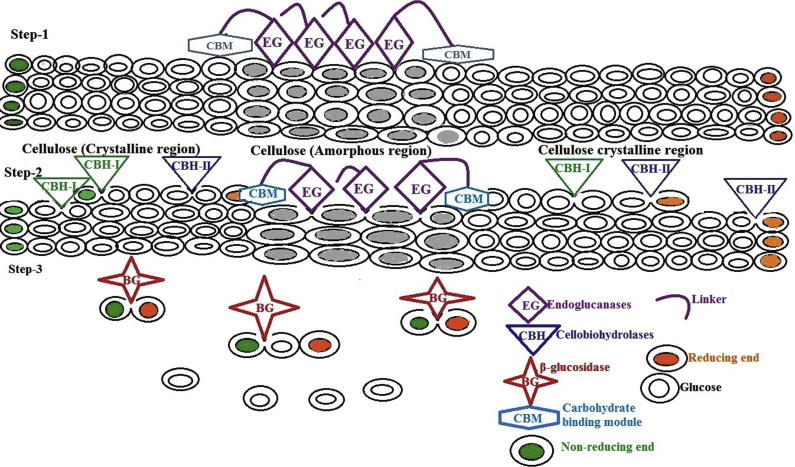
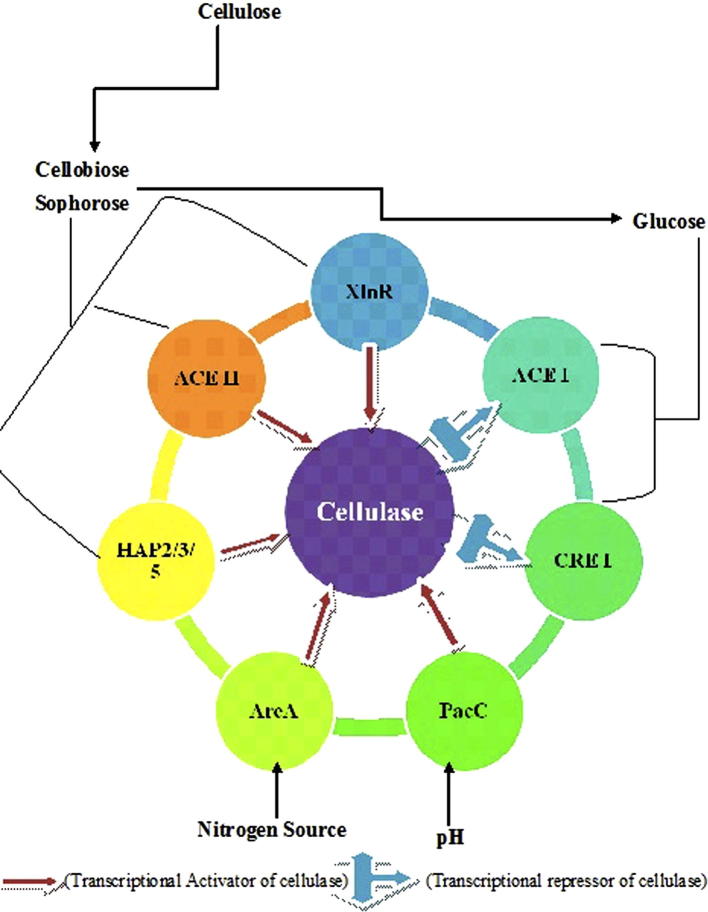
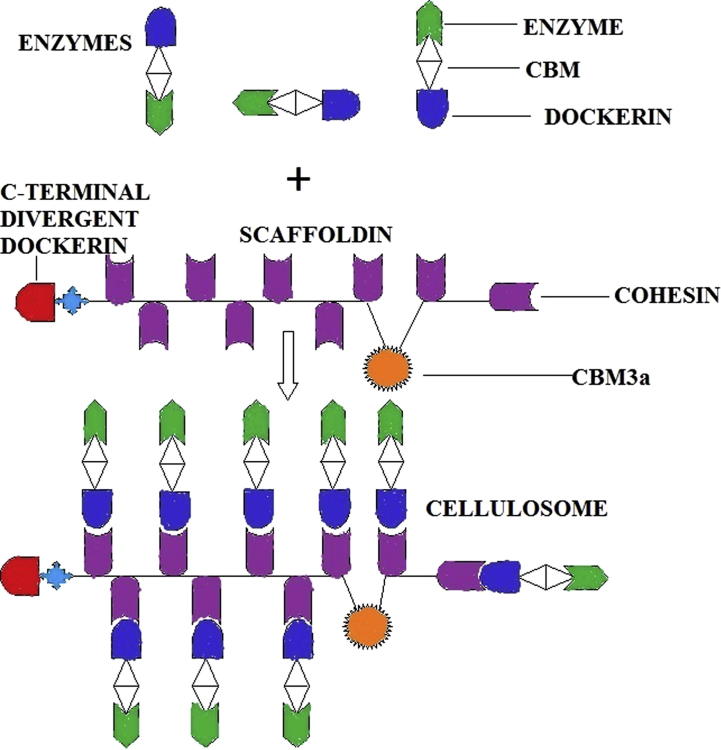
Cellulose is an abundant natural biopolymer on earth, found as a major constituent of plant cell wall in lignocellulosic form. Unlike other compounds cellulose is not easily soluble in water hence enzymatic conversion of cellulose has become a key technology for biodegradation of lignocellulosic materials. Microorganisms such as aerobic bacteria, fungi, yeast and actinomycetes produce cellulase that degrade cellulose by hydrolysing the β-1, 4-glycosidic linkages of cellulose. In contrast to aerobic bacteria, anaerobic bacteria lack the ability to effectively penetrate into the cellulosic material which leads to the development of complexed cellulase systems called cellulosome. Among the different environments, the sediments of mangrove forests are suitable for exploring cellulose degrading microorganisms because of continuous input of cellulosic carbon in the form of litter which then acts as a substrate for decomposition by microbe. Understanding the importance of cellulase, the present article overviews the diversity of cellulolytic microbes from different mangrove environments around the world. The molecular mechanism related to cellulase gene regulation, expression and various biotechnological application of cellulase is also discussed.
纤维素是地球上一种丰富的天然生物聚合物,以木质纤维素的形式作为植物细胞壁的主要成分存在。与其他化合物不同,纤维素不易溶于水,因此纤维素的酶促转化已成为木质纤维素材料生物降解的关键技术。需氧细菌、真菌、酵母和放线菌等微生物会产生纤维素酶,通过水解纤维素的β-1,4-糖苷键来降解纤维素。与需氧细菌不同,厌氧细菌缺乏有效渗透到纤维素材料中的能力,这导致了称为纤维小体的复合纤维素酶系统的发展。在不同的环境中,红树林沉积物适合用于探索纤维素降解微生物,因为以凋落物形式持续输入的纤维素碳随后作为微生物分解的底物。了解纤维素酶的重要性后,本文概述了来自世界各地不同红树林环境的纤维素分解微生物的多样性。还讨论了与纤维素酶基因调控、表达以及纤维素酶的各种生物技术应用相关的分子机制。