Lwin Thinzar M, Miyake Kentaro, Murakami Takashi, DeLong Jonathan C, Amirfakhri Siamak, Filemoni Filemoni, Yoon Sang Nam, Yazaki Paul J, Shivley John E, Datnow Brian, Clary Bryan M, Hoffman Robert M, Bouvet Michael
Department of Surgery, University of California San Diego, San Diego, CA, USA.
AntiCancer, Inc., San Diego, CA, USA.
Oncotarget. 2018 Dec 18;9(99):37333-37342. doi: 10.18632/oncotarget.26484.
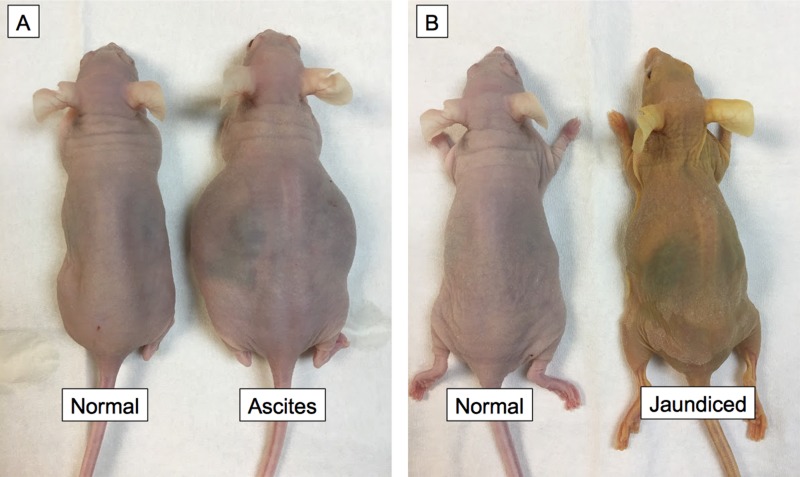
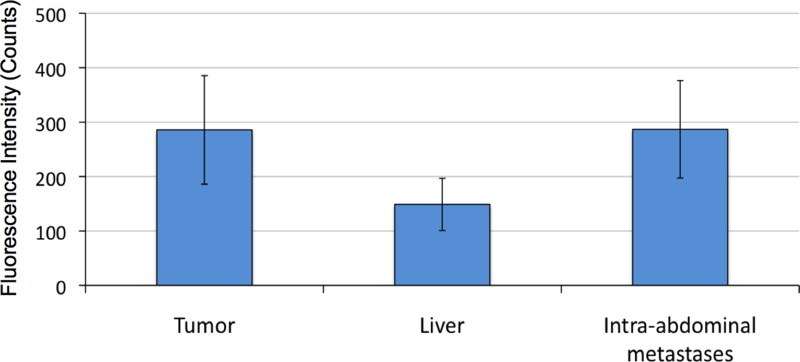
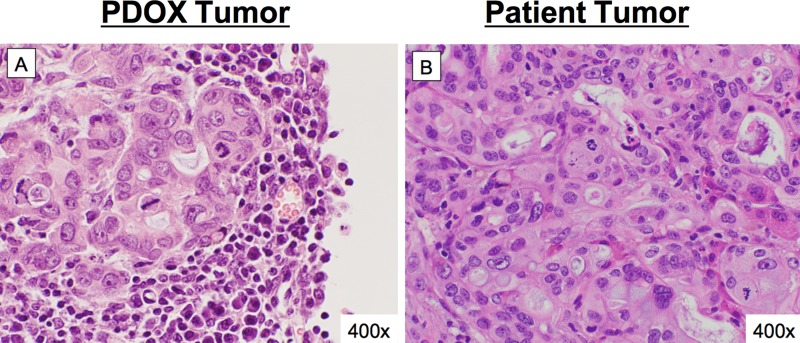
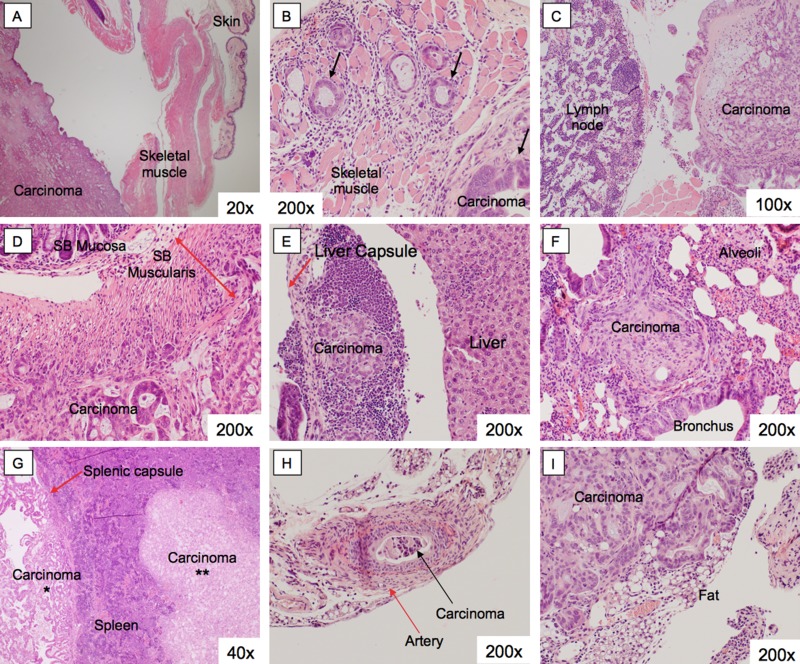
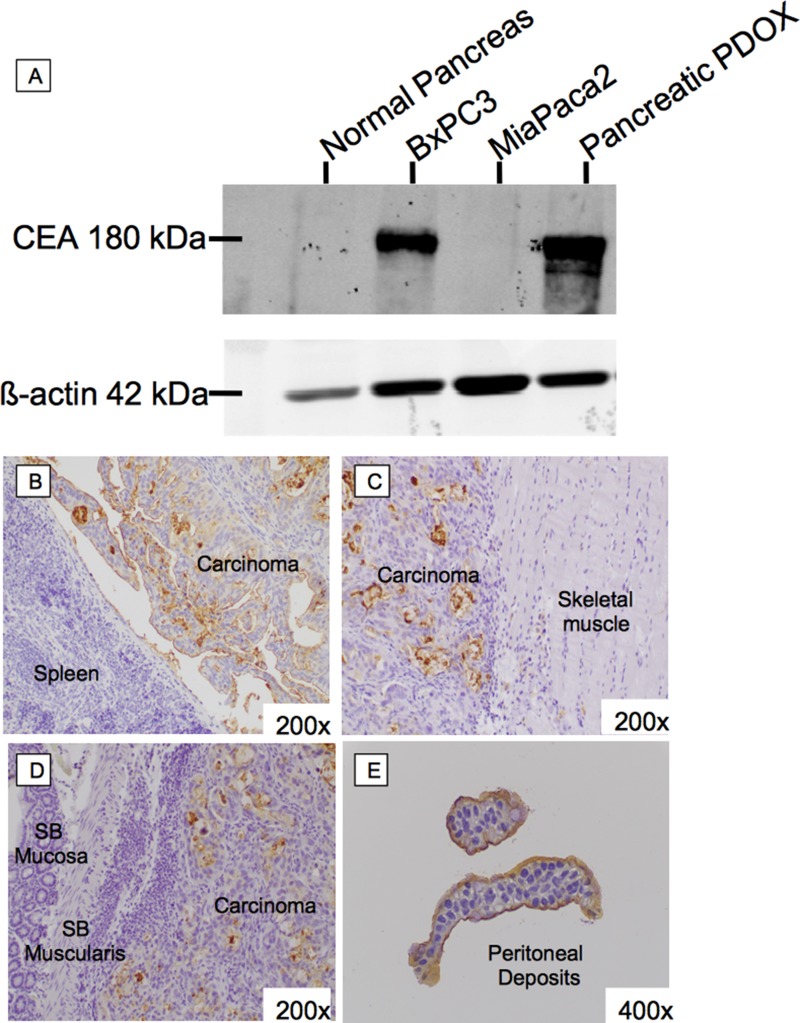
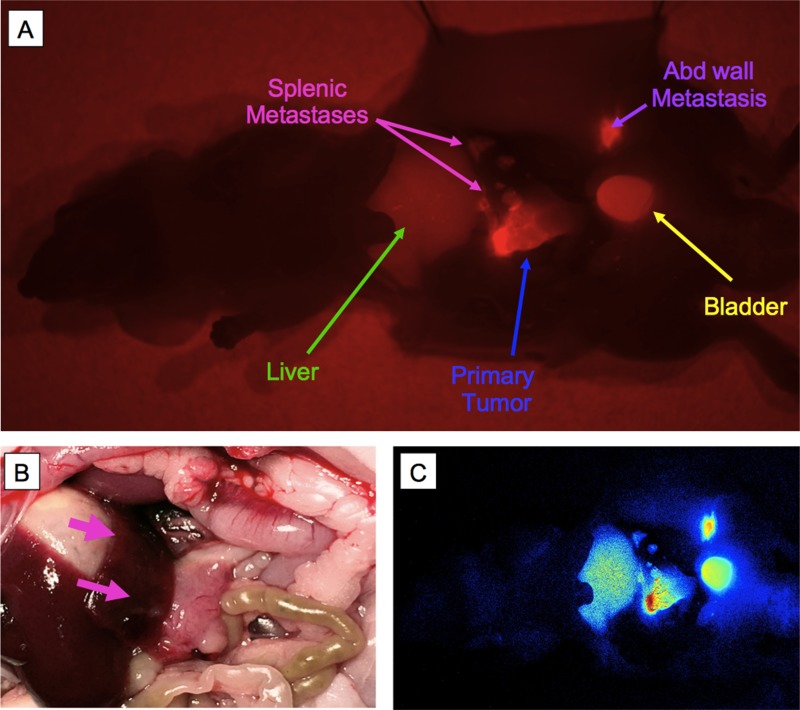
Pancreatic cancer is a highly lethal disease in part due to incomplete tumor resection. Targeting by tumor-specific antibodies conjugated with a fluorescent label can result in selective labeling of cancer for surgical navigation. In the present study, we describe a patient-derived orthotopic xenograft model of pancreatic cancer that recapitulated the disease on a gross and microscopic level, along with physiologic clinical manifestations. We additionally show that the use of an anti-CEA antibody conjugated to the near-infrared (NIR) fluorescent dye, IRDye800CW, can selectively highlight the pancreatic cancer and its metastases in this model with a tumor-to-background ratio of 3.5 (SEM 0.9). The present results demonstrate the clinical potential of this labeling technique for fluorescence-guided surgery of pancreatic cancer.
胰腺癌是一种致死率很高的疾病,部分原因是肿瘤切除不完全。与荧光标记物偶联的肿瘤特异性抗体靶向作用可实现癌症的选择性标记,用于手术导航。在本研究中,我们描述了一种源自患者的胰腺癌原位异种移植模型,该模型在大体和微观水平以及生理临床表现上都再现了该疾病。我们还表明,使用与近红外(NIR)荧光染料IRDye800CW偶联的抗CEA抗体,可在该模型中选择性地突出显示胰腺癌及其转移灶,肿瘤与背景的比率为3.5(标准误0.9)。目前的结果证明了这种标记技术在胰腺癌荧光引导手术中的临床潜力。